
Salads
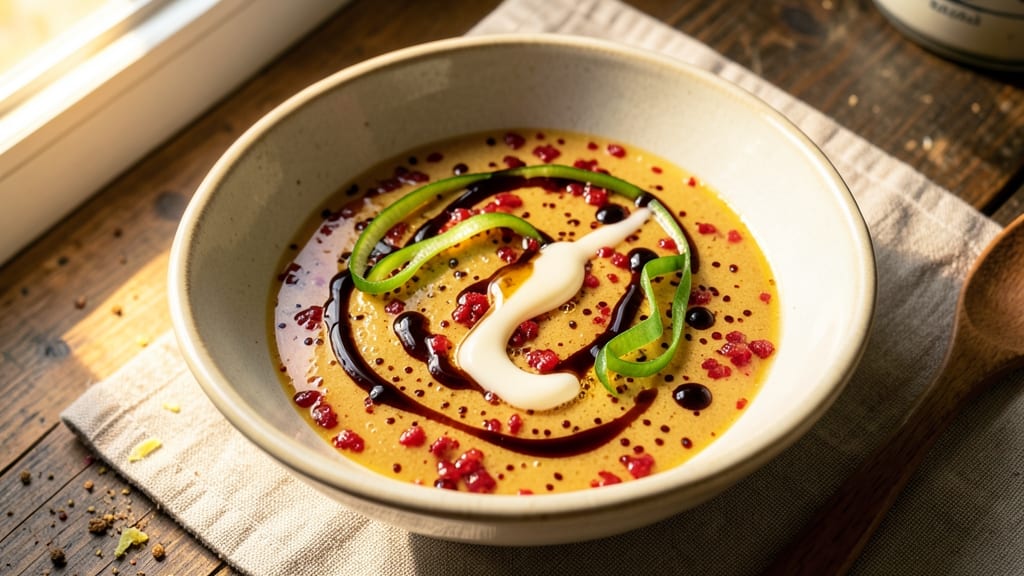
This Asian vinaigrette salad dressing recipe delivers umami-packed balance in just 5 minutes, transforming simple salads into vibrant, restaurant-quality meals. The secret lies in combining rice vinegar with soy sauce and sesame oil, creating a dressing that's tangy, savory, and subtly sweet—perfect for Asian-inspired dishes.
I developed this recipe after realizing most store-bought versions lacked depth, so I simplified the process while maximizing flavor.
The foundation is a 1:3 ratio of vinegar to oil, but it's the umami boosters—soy sauce, garlic, and ginger—that elevate it beyond basic vinaigrettes. This dressing works equally well on green salads, noodle bowls, or as a marinade for grilled proteins.
The ingredients are simple, but the flavor profile is anything but ordinary, delivering that perfect harmony of sweet, sour, and savory in every drizzle.
What sets this recipe apart is its versatility—adjust the sweetness with honey or the heat with chili flakes, depending on your preference. The dressing keeps well in the fridge for up to a week, making it ideal for meal prep.
Whether you're dressing a quick lunch salad or adding depth to stir-fried vegetables, this vinaigrette will become your go-to for adding authentic Asian flavor to any dish.
For best results, whisk all ingredients together just before using to maintain the freshest texture and flavor. The balance of acidity and richness ensures every bite is cohesive, making it a foolproof addition to your cooking repertoire.
Let's create this dressing that brings a taste of Asia to your table with minimal effort.
Ingredients for asian vinaigrette salad dressing
Nine ingredients transform into a restaurant-quality Asian vinaigrette that elevates any salad.
| Ingredient | Amount | Notes |
|---|---|---|
| Rice Vinegar 🍶 | ¼ cup | White or seasoned variety preferred |
| Sesame Oil 🫒 | ¾ cup | Toasted sesame for authentic flavor |
| Soy Sauce 🍜 | ¼ cup | High-quality, reduced-sodium preferred |
| Fresh Garlic Cloves 🧄 | 3 cloves | Minced finely for smooth texture |
| Fresh Ginger 🌿 | 1 tbsp | Finely grated, not powdered |
| Honey 🍯 | 1 tbsp | Wildflower or clover preferred |
| Toasted Sesame Seeds 🥜 | 1 tbsp | For garnish and crunch |
| Red Chili Flakes 🌶️ | ½ tsp | Adjust to taste for heat |
| Sea Salt 🧂 | ½ tsp | Diamond Crystal preferred |
| Black Pepper 🌶️ | ¼ tsp | Freshly ground for aroma |
The foundation starts with rice vinegar—look for Kikkoman or Mushroom Vinegar for that authentic tang. Sesame oil is non-negotiable here; Kadoya brand delivers the richest toasted flavor, but any quality sesame oil works. Fresh garlic and ginger are essential for that umami depth—don't use powdered ginger, it lacks the complexity. I always grab extra garlic because it's the flavor anchor. For soy sauce, Japanese-style like Kikkoman or Hoyu adds the perfect savory note without overpowering.
No sesame oil? Neutral oil like avocado or grapeseed at the same quantity works, but you'll miss that nutty depth. Short on honey? Maple syrup or agave nectar at the same amount keeps it sweet. The chili flakes can be swapped for gochugaru (Korean chili flakes) for a smokier kick. Fresh ginger too spicy? Reduce to 0.5 tbsp—it's all about balance. Store-bought sesame seeds? Toast them in a dry pan for 1-2 minutes to wake up their flavor before adding to the dressing.
This dressing keeps beautifully in an airtight jar in the fridge for up to 1 week. For longer storage, divide into ice cube trays, freeze, and transfer to a bag—perfect for single-serving salads. Shake or whisk before each use to redistribute the sesame seeds. Double the batch if you're prepping for the week; it's that good. The flavors actually improve after sitting overnight as everything melds together.
Why You'll Love This Recipe
- No-Fuss Blend: I swear by this dressing because it’s literally three minutes of chopping—just garlic and ginger, nothing fancy. The rest is stirring while you wait for the water to boil for dinner.
- Umami Bomb: That first drop of sesame oil hitting the bowl? Instant flavor explosion. The soy sauce and rice vinegar team up to cut through greens or grilled chicken with a punch that’s bright but never overpowering.
- Weeknight Magic: This dressing works on takeout noodles, cold soba, or even a quick charred veggie bowl. Honestly, I’ve drizzled it on everything from scrambled eggs to store-bought sushi—no judgment.
- Budget Brightener: A little goes a long way, and you’ll use it up before it spoils. Between us, I’ve had this dressing last a full week in my fridge, and it still tastes fresh enough to make me want to eat salad.
Step-by-step instructions for Asian vinaigrette salad dressing
This umami-packed dressing comes together faster than you can say "sesame oil."
Prepare the Aromatics and Base Ingredients
In a small bowl, finely mince the 3 cloves fresh garlic cloves using a microplane or sharp knife. I like to press the garlic against the plane to get a smooth paste rather than chopping it—this prevents any gritty texture in the final dressing. In the same bowl, finely grate the 1 tablespoon fresh ginger using the same tool. You want both ingredients to be nearly invisible when mixed; this ensures a silky texture rather than a chunky one.
Next, whisk together the 0.25 cup rice vinegar, 0.25 cup soy sauce, and 1 tablespoon honey in a separate measuring cup. Taste this mixture now—it should balance tangy, salty, and sweet notes. If the honey seems too dominant, add a splash more rice vinegar. This base forms the foundation of your dressing, so getting it right here matters most.
Whisk Everything to a Silky Emulsion
Pour the vinegar mixture into a clean jar with a tight-fitting lid. Add the minced garlic, grated ginger, 0.75 cup sesame oil, 0.5 teaspoon sea salt, and 0.25 teaspoon black pepper. Seal the jar and shake vigorously for 30 seconds—this breaks up the ginger and garlic while incorporating the oil. You'll notice the mixture will look temporarily cloudy, but don't worry; it will clear as you continue whisking.
Transfer the dressing to a bowl and whisk vigorously for 1-2 minutes using a fork or whisk. The key here is persistence—the dressing will start as two distinct layers (watery and oily) but will eventually emulsify into a glossy, unified sauce. If it separates again after a few minutes, just whisk it up once more. The sesame oil is rich and delicate, so gentle but thorough mixing is essential to avoid breaking the emulsion.
Season and Adjust for Perfect Balance
Taste the dressing now and adjust the seasoning. I usually add 0.25-0.5 teaspoon red chili flakes for a subtle heat, but adjust to your preference. If it needs more tang, add a splash of rice vinegar. If it's too sharp, a drizzle of honey will mellow it out. The dressing should be bold but not overpowering—think "umami-forward" with a bright finish.
Once satisfied with the flavor, sprinkle the 1 tablespoon toasted sesame seeds on top. These add a delightful crunch and visual contrast. Store the dressing in an airtight container in the refrigerator for up to 1 week, shaking well before each use. The flavors will deepen and meld beautifully over time, making it even more irresistible.
Pro Tips For Making Asian Vinaigrette Salad Dressing
- Mince Garlic Like a Pro: Use a flat side of your chef’s knife—not a rock—to smash 2-3 garlic cloves, then finely chop them. This keeps the texture consistent and prevents bitter almond notes from over-crushing. (I used to pulverize it into paste, and the dressing tasted harsh—don’t make that mistake.)
- Toast Ginger First: Lightly toast 1 teaspoon of grated ginger in a dry pan for 30 seconds until fragrant. Let it cool before adding to the dressing—this deepens the flavor without bitterness. (Yes, it’s an extra step, but your taste buds will notice.)
- Add Sesame Oil Last: Stir in the sesame oil after everything else is mixed, just before serving. This preserves its nutty aroma instead of letting it cook off. (I learned this after making a batch where the oil tasted flat—now I treat it like the finishing touch it is.)
- Balance Soy Sauce with Sweetness: For every 1 tablespoon of soy sauce, add ½ teaspoon of honey or sugar to offset saltiness. Skip this, and your dressing will taste one-note. (I used to eyeball it, but measuring makes a real difference.)
Troubleshooting this recipe
Emulsion Separation Fix
If your dressing separates into oily and vinegary layers, don't panic—this is normal with sesame oil. Whisk vigorously for another 1-2 minutes until it re-emulsifies. For stubborn separation, add 1 teaspoon water or rice vinegar and whisk again.
The key is patience—sesame oil emulsifies differently than olive oil, so gentle but thorough mixing is essential. 💫
Too Salty or Sharp?
If your dressing tastes too salty from the soy sauce, balance it with 1-2 teaspoons honey or maple syrup. For excessive sharpness, add a splash of water or neutral oil (like avocado oil) to dilute.
Taste as you go—this dressing should be complex but harmonious, not overpowering. I often adjust with a pinch of sugar if needed.
Ginger or Garlic Too Strong?
Fresh ginger and garlic can dominate if overpowered. Reduce the ginger to 0.5 tablespoon or skip the garlic entirely for a milder flavor. For a smoother texture, blend the aromatics with the vinegar mixture before adding oil.
If you love bold flavors but want control, toast the garlic in a dry pan for 30 seconds to mellow its intensity before mincing. 🌶️
Sesame Oil Overpowering?
If the sesame oil flavor is too intense, reduce it to 0.5 cup and replace the remaining 0.25 cup with neutral oil. For a lighter texture, whisk in 1 teaspoon cornstarch mixed with 1 tablespoon water to thicken slightly.
The dressing should still coat the back of a spoon but not feel heavy.
Dressing Too Thin?
A thin dressing happens when the oil-to-vinegar ratio is off. Reduce the rice vinegar to 0.2 cup and add 0.1 cup more sesame oil. For an instant fix, whisk in 1 teaspoon xanthan gum or 1 tablespoon cornstarch slurry (mix cornstarch with cold water).
This thickens without altering the flavor profile.
Preventing Future Issues
To avoid common problems, always whisk the vinegar, soy sauce, and honey together first—they form the stable base. Add oil last and whisk vigorously. Store in an airtight container and shake before each use to maintain consistency.
For meal prep, divide into small jars to minimize separation. This dressing is forgiving, but these tweaks ensure restaurant-quality results every time. ✨
Nutrition facts
Frequently asked questions about Asian vinaigrette dressing
Can I make this dressing without sesame oil?
Yes! Replace the 0.75 cup sesame oil with 0.5 cup neutral oil (like avocado or grapeseed) plus 0.25 cup toasted sesame oil for depth. For a completely sesame-free version, use 1 cup neutral oil and add 1 teaspoon toasted sesame seeds at the end for texture. The flavor will be milder but still delicious.
How long does this dressing keep in the fridge?
Store in an airtight container for up to 1 week in the refrigerator. For longer storage, freeze in ice cube trays—each cube makes a perfect single-serving dressing. Thaw overnight in the fridge before using. The flavors actually improve as they meld together over time!
What's the best way to use this dressing?
Drizzle over Asian-inspired salads like cucumber, edamame, and sesame greens, or use as a marinade for grilled chicken or tofu. It also elevates ramen, pho, or cold noodle bowls. For extra flair, sprinkle with toasted sesame seeds or crushed peanuts before serving.
Can I adjust the heat level?
For mild heat, use 0.25 teaspoon chili flakes. For spicy, increase to 1 teaspoon or add 1 teaspoon sriracha. For a smoky kick, swap chili flakes for 0.5 teaspoon smoked paprika. Always taste first—this dressing is highly customizable!
Why does my dressing separate?
Sesame oil is delicate—separation happens when not whisked enough. Whisk vigorously for 2-3 minutes or shake the jar until fully emulsified. If it persists, add 1 teaspoon rice vinegar and whisk again. For thicker texture, blend 1 teaspoon cornstarch with 1 tablespoon water and whisk in. Patience is key!