
Salads
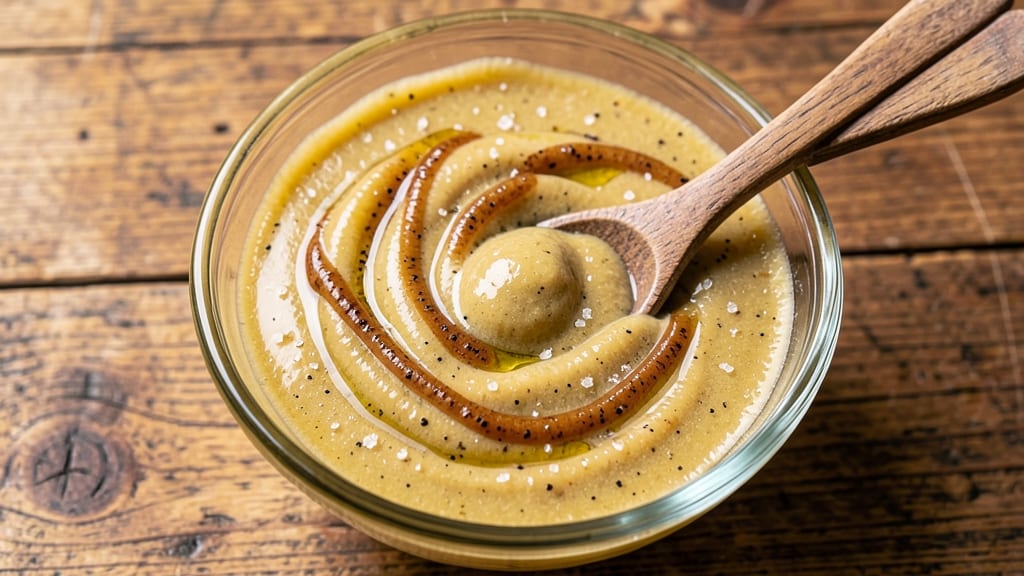
Aunt Martha's Old Fashioned Salad Dressing Recipe delivers that perfect tangy-sweet balance that transforms simple salads into something special. This classic formula has been passed down through generations, combining simple pantry staples for a dressing that's rich, flavorful, and versatile enough for any dish.
The secret lies in the careful ratio of vinegar to oil, with just the right amount of sweetness to complement the sharpness.
The beauty of this recipe is its simplicity—no fancy ingredients or complicated techniques required. Just a few basic components come together to create a dressing that's creamy yet light, with a depth of flavor that elevates even the most basic salad.
It's the kind of dressing that makes you want to reach for fresh greens, crisp vegetables, and hearty proteins to soak up every drop.
What makes this dressing truly special is how it enhances other dishes beyond salads. Use it as a marinade for grilled chicken or fish, a dipping sauce for fresh vegetables, or even a finishing touch for roasted potatoes.
The tangy-sweet profile works beautifully in a variety of culinary applications, making it a staple in any kitchen.
Once you try this dressing, you'll understand why it's been a family favorite for decades. The ingredients are easy to find, and the process is straightforward, yet the results are undeniably impressive. It's the kind of recipe that proves sometimes the classics are the best.
Ingredients for aunt martha's old fashioned salad dressing
Classic tangy-sweet balance comes from these simple pantry staples, perfect for any salad.
| Ingredient | Amount | Notes |
|---|---|---|
| Extra-Virgin Olive Oil 🫒 | 1 cup | High-quality, fruity variety preferred |
| White Vinegar 🍶 | ½ cup | Apple cider vinegar works too |
| Granulated Sugar 🍚 | ¼ cup | Light brown sugar for deeper flavor |
| Dijon Mustard 🌶️ | 1 tbsp | Mellow flavor preferred |
| Salt 🧂 | ½ tsp | Diamond Crystal kosher salt |
| Black Pepper 🌶️ | ¼ tsp | Freshly ground for best flavor |
| Dried Oregano 🍃 | ½ tsp | Mexican oregano for authentic taste |
| Garlic Powder 🧄 | ¼ tsp | Fresh garlic preferred if available |
| Onion Powder 🧅 | ¼ tsp | For subtle depth of flavor |
| Honey 🍯 | 1 tbsp | Wildflower honey preferred |
The olive oil sets the foundation—look for extra-virgin with a fruity aroma at specialty stores or the olive oil aisle. Trader Joe's and Whole Foods carry excellent options, but any quality brand will work. Vinegar selection matters too: white vinegar delivers classic sharpness, while apple cider adds subtle sweetness. The honey? Wildflower or clover adds complexity—avoid cheap supermarket brands. For the mustard, Dijon is non-negotiable; it provides that signature tang that store-bought dressings lack.
No Dijon mustard? Yellow mustard at half the amount works in a pinch. Skip the honey? Maple syrup is the next best option—use the same quantity. Running low on vinegar? Lemon juice with a pinch of salt mimics the acidity. The spices can be adjusted: double the oregano for Mediterranean flair or add a pinch of paprika for smokiness. For extra creaminess without mayo, whisk in 1 tbsp of Greek yogurt at the end—trust me on this.
This dressing keeps beautifully—1 week refrigerated in an airtight jar. The flavors actually improve over time as everything melds. For long-term storage, freeze in ice cube trays—thaw and shake to recombine. Shake well before each use, especially after storing for more than a few days. The ratio is forgiving, but if it seems too thick, thin with 1 tsp of water at a time. Make a double batch—you'll want it on hand for everything from salads to roasted veggies.
Why You'll Love This Recipe
- I’ll be real: this costs me pennies per serving, but it tastes like a fancy bistro dressing. Extra-virgin olive oil is the only splurge, and even then, a little goes a long way. The rest? Basic pantry stuff that won’t break the bank. It’s the kind of recipe that makes me feel fancy without the price tag.
- Five-Ingredient Magic: Honestly, this dressing is the kind of recipe that makes me feel like a genius even though I’m just stirring a bowl. You’re looking at five ingredients—olive oil, vinegar, sugar, mustard, and salt—and that’s it. No fancy emulsifiers, no weird substitutions, just pure, reliable flavor that comes together faster than you can say “salad night.”
- Tangy-Sweet Balance: Between us, the secret weapon here is that little pinch of granulated sugar cutting through the vinegar. It’s not sweet—just enough to soften the sharpness and let the Dijon mustard shine. Drizzle it over warm roasted veggies or a crisp green salad, and you’ll taste why this was Aunt Martha’s go-to for decades.
- Pantry Staple Power: Here’s what sold me—this dressing lives in my fridge for weeks, and I never get tired of it. The ratio of oil to vinegar means it keeps without separating, so I toss it in lunchboxes, dinner plates, or even a quick pasta dish. No last-minute shopping, no stress—just reliable flavor whenever I need it.
Step-by-step instructions for Aunt Martha's old fashioned salad dressing
This timeless dressing delivers the perfect balance of tangy, sweet, and savory notes every time.
Whisk Together the Wet Ingredients
In a medium bowl, combine the 1 cup extra-virgin olive oil with the 0.5 cup white vinegar. I use a sturdy whisk to ensure the oil and vinegar emulsify smoothly—this prevents separation later. Add the 1 tablespoon Dijon mustard and whisk vigorously for 30 seconds to fully incorporate.
Next, add the 0.25 cup granulated sugar and 1 tablespoon honey. Whisk until the sugar and honey dissolve completely—you should see a smooth, slightly syrupy mixture. This step ensures even distribution of sweetness throughout the dressing. If you're using light brown sugar as suggested, you'll notice deeper caramel notes that complement the vinegar beautifully.
Add the Dry Seasonings
In a separate small bowl, combine the 0.5 teaspoon salt, 0.25 teaspoon black pepper, 0.5 teaspoon dried oregano, 0.25 teaspoon garlic powder, and 0.25 teaspoon onion powder. I prefer to measure these spices using a fine-mesh strainer for precision, especially with the delicate oregano.
Pour the spice mixture into the wet ingredients and whisk thoroughly for 1-2 minutes until everything is fully combined. The dressing should have a thick, pourable consistency but still coat the back of a spoon. If it appears too thick, add 1-2 teaspoons of water and whisk again. This step creates the dressing's signature depth of flavor while maintaining that classic old-fashioned texture.
Taste and Adjust the Balance
Taste the dressing immediately—this is where Aunt Martha's method shines. You should detect a bright tang from the vinegar, subtle sweetness from the sugar and honey, and a gentle warmth from the garlic and onion powders. If it needs more acidity, add ½ teaspoon more white vinegar. For extra sweetness, add ½ teaspoon more honey.
I always adjust the salt last—add ¼ teaspoon more salt if needed. The dressing should taste complex, not one-dimensional. Let it sit for 5 minutes before tasting again, as flavors develop slightly during this time. This resting period allows the ingredients to meld completely, creating that authentic old-fashioned flavor profile.
Store Properly for Maximum Freshness
Transfer the dressing to a clean, airtight glass jar. I use a wide-mouth jar for easy pouring, and I always fill it only ¾ full to allow room for the dressing to expand slightly. Store it in the refrigerator for up to 3 weeks—the flavors actually improve over time, developing deeper complexity.
Before each use, give the dressing a good shake or whisk. This classic recipe maintains its emulsification beautifully, but a quick stir ensures the ingredients stay evenly distributed. The dressing works perfectly on everything from crisp green salads to hearty potato salads—its versatility is what makes it a kitchen staple.
Pro Tips For Making Aunt Martha'S Old Fashioned Salad Dressing
- Whisk in Stages: Don’t dump all the oil in at once—start with half, then whisk the vinegar and mustard into it first. This keeps the mustard from curdling (I learned this the hard way when my dressing turned into a gloopy mess). Once it’s smooth, slowly drizzle in the rest of the oil while whisking like you’re trying to polish silver.
- Use Warm Vinegar: Heat the white vinegar to about 80°F (just warm to the touch) before mixing—it dissolves the sugar faster and blends smoother. I used to ignore this, and the dressing always had little gritty bits. Takes 30 seconds in a microwave, but it makes a real difference in texture.
- Salt the Mustard: Mix the salt into the Dijon mustard before adding it to the dressing. This prevents clumping when the mustard hits the vinegar. (Yes, even if the recipe says to add salt later—trust me, it’s worth the extra 10 seconds.)
- Store Oil Separate: Keep the olive oil in a separate bottle until you’re ready to use the dressing. This way, you avoid the dreaded “separated again” scenario when you open the jar later. Just shake it up when you’re ready to toss—no extra effort, no wasted dressing.
Dietary considerations for this aunt martha's old fashioned salad dressing
Gluten-Free Adaptation
This dressing is naturally gluten-free since it contains no wheat-based ingredients. However, always double-check your Dijon mustard label—some brands use wheat as a stabilizer. I recommend Maille or Amoy brands, which are certified gluten-free.
If you're sensitive, verify your honey and vinegar as well, though these are typically safe. The original recipe's simplicity makes it ideal for gluten-free diets without compromising flavor. 🌾
Low-Sugar Options
For a lower-sugar version, reduce the granulated sugar to 2 tablespoons and add 1 teaspoon of vanilla extract to enhance sweetness without calories. Alternatively, use 1 tablespoon of maple syrup instead of honey—it provides natural sweetness with a lower glycemic index.
The dressing will still taste rich and balanced, just with fewer carbs. This works especially well for keto-friendly diets when paired with leafy greens.
Dairy-Free Creaminess
If you prefer a dairy-free option, skip the honey and add 1 tablespoon of coconut aminos for umami depth. For extra creaminess without dairy, whisk in 1 tablespoon of tahini or Greek-style coconut yogurt at the end.
These substitutions maintain the dressing's signature texture while accommodating lactose-intolerant diets. The tahini adds a nutty richness that complements the tangy-sweet profile beautifully.
Vegan-Friendly Swaps
This dressing is already vegan-friendly, but you can enhance it further by using agave nectar instead of honey for a plant-based sweetener. For the mustard, ensure it's labeled vegan (most Dijon brands are).
The extra-virgin olive oil and vinegar are naturally vegan, making this a perfect base for plant-based diets. The oregano and garlic powder add depth without any animal products, keeping it clean and flavorful.
Allergen-Friendly Tips
For nut allergies, avoid tahini and stick to the original recipe or use sunflower seed butter as a substitute for creaminess. If you have a vinegar sensitivity, replace the white vinegar with lemon juice (use the same amount).
Always store your dressing in a dedicated jar to avoid cross-contamination. The simplicity of this recipe makes it surprisingly adaptable to most dietary restrictions while keeping its classic taste intact.
Nutrition facts
Frequently asked questions
Why does this dressing separate after storing?
This is completely normal for traditional oil-and-vinegar dressings! The ingredients naturally separate when stored. Just give it a good 30-second whisk before using, and it'll re-emulsify perfectly. For extra stability, add 1 teaspoon of cornstarch or 1 tablespoon of Greek yogurt when making it. The original recipe relies on whisking to blend the oil and vinegar properly.
Can I make this dressing without honey?
Replace the honey with 1 tablespoon of maple syrup or 1 teaspoon of vanilla extract for sweetness. For a more tangy profile, add an extra ½ teaspoon of vinegar. The honey adds depth, but the dressing will still taste delicious. If you're avoiding sugar entirely, try 1 teaspoon of liquid stevia or ½ teaspoon of sugar-free maple syrup.
How do I adjust this for a creamy dressing? For a creamy version, whisk in ¼ cup of mayonnaise or Greek yogurt at the end. Start with less and adjust to your preferred thickness. You can also add 1 tablespoon of tahini for a nutty, creamy texture.
What's the best way to use up leftover dressing?
This versatile dressing works beyond salads! Use it as a marinade for grilled chicken or fish, a dip for fresh veggies or chips, or a finishing sauce for roasted potatoes or Brussels sprouts. It also makes an excellent base for homemade vinaigrette when thinned with water. The flavors develop beautifully when used in cooking too—try drizzling it over warm grilled vegetables.
Can I make this dressing spicier?
Yes! Add ½ teaspoon of smoked paprika or ¼ teaspoon of cayenne pepper for heat. For a smoky kick, try 1 teaspoon of chipotle powder instead of regular oregano. If you love fresh heat, stir in 1 finely chopped jalapeño or ½ teaspoon of hot sauce after making the dressing. Always taste first—you can adjust to your preferred spice level.