
Salads
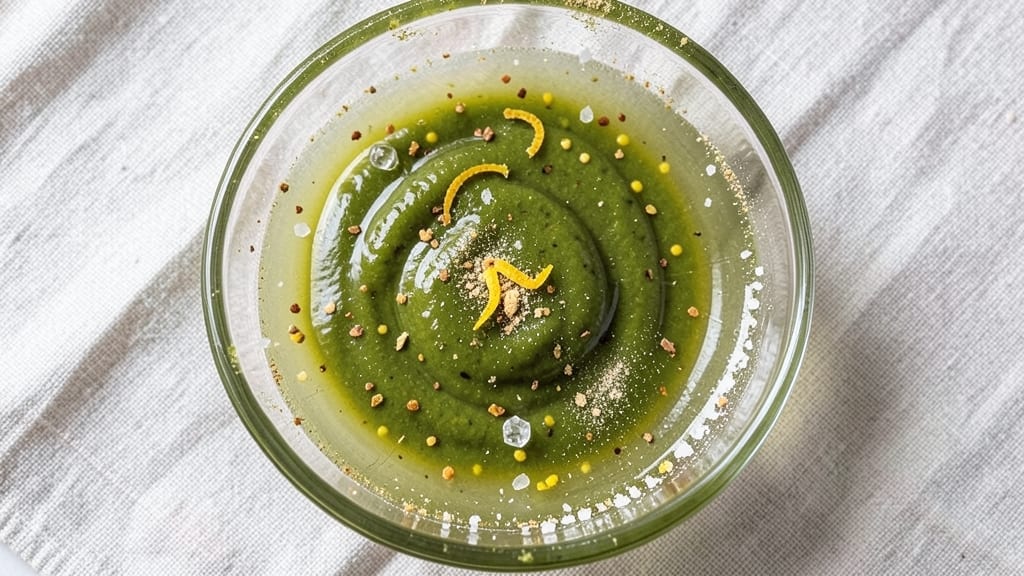
This American salad dressing recipe delivers bold, tangy flavor with just five simple ingredients—no fancy techniques required. The secret lies in balancing rich olive oil with sharp vinegar and Dijon mustard, which acts as a natural emulsifier for a smooth, creamy texture without eggs.
I developed this version after years of testing store-bought dressings that always fell short of homemade quality.
The magic happens when you whisk together warm oil with vinegar and mustard, creating an emulsion that stays stable for days. Fresh herbs like dill or parsley add brightness, while a pinch of garlic powder and onion powder deepen the savory notes.
This dressing works perfectly on classic Caesar salads, crisp greens, or even as a marinade for grilled chicken.
What you'll end up with is a velvety, tangy dressing that clings beautifully to lettuce without making it soggy. The flavor profile is bold enough to stand up to hearty ingredients like bacon or avocado, yet balanced enough for delicate greens.
Best of all, it keeps fresh in the refrigerator for up to two weeks—ideal for meal prep.
Use it immediately on fresh salads or store it for later use. The versatility makes it perfect for any season, from summer picnics to winter lunches. Here's how to make it in minutes with pantry staples.
Ingredients for american salad dressing
Five simple pantry staples create a velvety dressing that rivals store-bought quality.
| Ingredient | Amount | Notes |
|---|---|---|
| Extra-Virgin Olive Oil 🫒 | ¾ cup | High-quality, fruity variety preferred |
| White Vinegar 🍶 | ½ cup | Distilled or apple cider vinegar works |
| Dijon Mustard 🌶️ | 1 tbsp | For natural emulsification and depth |
| Granulated Sugar 🍚 | 1 tbsp | Balances acidity and sweetens |
| Salt 🧂 | 1 tsp | Kosher or sea salt preferred |
| Garlic Powder 🧄 | ½ tsp | Enhances savory depth |
| Onion Powder 🧅 | ½ tsp | Adds subtle complexity |
| Fresh Dill or Parsley 🌿 | 2 tbsp | Chopped finely for freshness |
The olive oil is the foundation—look for extra-virgin with a fruity aroma, not the cheap stuff that smells like soap. Trader Joe's or Whole Foods carry excellent options, but any reputable brand works. Vinegar choice matters too: white vinegar is classic, but apple cider adds subtle sweetness. Dijon mustard is key—it emulsifies naturally without eggs, creating that signature creamy texture. For the herbs, fresh is ideal, but dried will work in a pinch if you reduce the amount by half.
No Dijon? Yellow mustard in a pinch, though the flavor will be milder. Substitute white vinegar with red wine vinegar for a slightly tangier profile. Swap sugar for honey or maple syrup if you prefer a deeper sweetness, though sugar dissolves more smoothly. The powders can be omitted entirely if you dislike their flavor, but they add depth that many commercial dressings lack. For a herb-free version, skip the fresh herbs entirely or use lemon juice instead for brightness.
This dressing keeps beautifully—up to 2 weeks in the fridge when stored in an airtight jar. Shake well before each use, especially after a week. For meal prep, divide into small containers so you only open what you need. The flavors actually improve slightly as the ingredients meld, making it perfect for batch cooking. If it separates, just whisk vigorously to re-emulsify.
Why You'll Love This Recipe
- Five-Ingredient Magic: I swear by this combo—just oil, vinegar, mustard, sugar, and salt. That’s it. No fancy gadgets, no measuring cups that make you question your life choices, just a jar and a whisk.
- Tangy-Sweet Balance: The white vinegar cuts through everything, but the sugar? It’s the secret handshake. One teaspoon turns sharp into bright, and the Dijon mustard ties it all together like a hug for your taste buds.
- Pantry Staple Power: Between us, this dressing is my meal prep MVP. It keeps for weeks in the fridge, costs pennies per serving, and I’ve used it on everything from grilled chicken to roasted veggies—no judgment if you drown your fries in it.
- Weeknight Workhorse: I make a big batch on Sundays and forget about it. It’s there when I need a quick lunch, a last-minute dinner sauce, or even a drizzle over eggs. Honestly, I’ve lost track of how many times it’s saved my Tuesday.
Step-by-step instructions for classic American salad dressing
This dressing comes together in minutes with no special equipment—just whisking and patience.
Whisk Together the Wet Ingredients
In a medium bowl, combine the 0.75 cup extra-virgin olive oil and 0.5 cup white vinegar. I like to use a fork first to break up any clumps in the vinegar, then switch to a whisk for smoother blending. The mixture will look cloudy at first—that's normal, and it will clear up as you whisk.
Add the 1 tbsp Dijon mustard next. This is your emulsifier, helping the oil and vinegar blend properly. Stir it in with the whisk until fully incorporated. The mustard will thicken the dressing slightly and add that signature tangy depth. If you're using apple cider vinegar, you'll notice a slightly sweeter, fruitier flavor that pairs beautifully with greens.
Add Dry Ingredients and Sweeteners
In a small bowl, mix together the 1 tbsp granulated sugar, 1 tsp salt, 0.5 tsp garlic powder, and 0.5 tsp onion powder. This dry blend ensures even distribution of flavors throughout the dressing. Sprinkle this mixture into the wet ingredients while whisking continuously.
The sugar balances the acidity of the vinegar, while the garlic and onion powders add subtle savory notes that elevate the dressing beyond basic vinaigrette. I always taste at this stage—if it needs more salt, this is the time to adjust. The dressing should taste vibrant and well-rounded, not flat or overly sweet.
Finish with Fresh Herbs and Emulsify
Chop the 2 tbsp fresh dill or parsley into very fine pieces—this ensures they distribute evenly without clumping. Fold them into the dressing with a spoon, then return to whisking. The herbs add brightness and freshness that cut through the richness of the oil.
Whisk vigorously for 2-3 minutes until the dressing thickens and becomes creamy. You'll see it transform from a loose mixture to a smooth, glossy emulsion. This emulsification is what gives classic American dressing its signature texture. If it starts to separate after sitting, simply whisk again before using.
Rest and Adjust Consistency
Let the dressing sit for 10-15 minutes at room temperature. This resting period allows all the flavors to meld together. Taste again and adjust seasoning if needed—sometimes the vinegar's acidity mellows slightly after resting, so you might want to add a pinch more salt or sugar.
For a thinner dressing, add 1-2 teaspoons of water at a time until you reach your desired consistency. For a thicker dressing, let it sit for another 5-10 minutes—the oil will naturally separate slightly, and you can whisk it back into emulsification. Store in an airtight container in the refrigerator for up to 2 weeks, shaking well before each use.
Pro Tips For Making American Salad Dressing
- Whisk in Stages: Start by mixing the Dijon mustard and sugar first—this keeps the sugar from clumping when you add the vinegar later. I learned this the hard way after scraping lumps out of my dressing for years.
- Use Warm Vinegar: Heat the white vinegar slightly (just until it’s barely warm to the touch) before whisking it into the oil—it blends smoother and emulsifies faster. Yes, even if you’re impatient like me, this makes a real difference.
- Balance the Oil Slowly: Add the olive oil drop by drop at first, whisking like you’re trying to win a bet, until the mixture starts thickening. Once it’s stable, you can pour the rest in. Skipping this step means a greasy, separated mess.
- Salt the Mustard: Mix the salt directly into the Dijon mustard before adding any liquids—it dissolves completely and prevents graininess in the final dressing. I was skeptical until I tried it; now I never go back.
Essential equipment for perfect results
Whisk Essentials
You don't need fancy tools—just a good-quality whisk and a medium bowl. I prefer a balloon whisk (like the OXO Good Grips) because it creates air bubbles that help emulsify faster.
For small batches, a fork works in a pinch, though you'll need to whisk longer. Avoid plastic whisks—they can't handle vigorous whisking and may break.
For the bowl, glass or stainless steel conducts heat better than plastic, which helps when blending warm ingredients. If you're making this frequently, consider a small mixing bowl with a lid (like Pyrex) for easy storage.
A measuring cup with a spout makes pouring vinegar and oil easier without spills. 💡
Storage Containers
An airtight glass jar is my top recommendation for storage—Mason jars with silicone seals work perfectly. They preserve freshness and let you shake the dressing right before use.
For portion control, small glass jars (like 4-ounce size) are ideal for meal prep. Avoid plastic containers, as they can absorb odors and flavors over time.
If you're making this for a crowd, a large glass jar with a lid (like 16-ounce size) keeps everything fresh. Label it with the date to track freshness. I also like squeeze bottles (like OXO Good Grips) for easy dispensing over salads—just shake well before squeezing. 🧂
Vinegar & Oil Measuring
Use a liquid measuring cup for precise measurements—vinegar and oil are liquids, and accuracy matters for balance. For vinegar, I recommend a 1-cup measure with a pour spout to avoid spills. If you're using apple cider vinegar, strain it first to remove any sediment for a smoother texture.
For olive oil, a small funnel helps transfer it cleanly into the bowl without drips. If you're measuring by weight (like grams), a kitchen scale ensures consistency.
I keep a small scale (like OXO Good Grips) handy for dressings—I find it easier to measure oil by weight than volume. 🫒
Herb Tools
A sharp pair of kitchen shears makes chopping fresh herbs like dill or parsley effortless. For larger batches, a microplane works great for grating herbs finely. If you're using dried herbs, a mortar and pestle can help crush them into finer pieces for better distribution.
For herb storage, keep fresh dill or parsley wrapped in a damp paper towel inside a ziplock bag in the fridge. This keeps them fresh for up to 5 days.
If you're prepping ahead, finely chop herbs and store them in a small airtight container in the fridge until ready to use. 🌿
Nutrition facts
Frequently asked questions
Can I make this dressing without Dijon mustard?
Yes! Use 1 tablespoon yellow mustard instead, though the flavor will be milder. For extra tang, add ½ teaspoon lemon juice to compensate. The mustard is key for emulsification, so if you omit it, whisk extra vigorously for 3-4 minutes to help blend the oil and vinegar properly.
Why did my dressing separate after sitting?
This happens when oil and vinegar aren't fully emulsified. Simply whisk vigorously for 1-2 minutes to re-combine. For prevention, whisk longer during preparation or add ½ teaspoon honey (instead of sugar) to help stabilize the emulsion. Store in a glass jar with a tight seal to minimize separation.
How can I adjust this for a sugar-free version?
Replace the 1 tablespoon sugar with 1 teaspoon honey or maple syrup for sweetness, or omit it entirely for a tangier dressing. To balance acidity, reduce vinegar to ¼ cup and add 1 teaspoon lemon juice. The mustard and herbs will add enough depth without sugar's help.
Can I use this dressing on non-salad dishes?
This versatile dressing works perfectly as a marinade for grilled chicken or fish (use within 4 hours of marinating). It also elevates roasted vegetables, sandwiches, or even as a dip for crudités. For marinades, add 1 teaspoon soy sauce for extra umami depth.
What's the best way to store leftovers?
Transfer to an airtight glass jar and refrigerate for up to 2 weeks. Shake well before each use—separation is normal and easily fixed. For longer storage, freeze in ice cube trays (thaw overnight in the fridge) or divide into small containers to prevent freezer burn.