
Salads
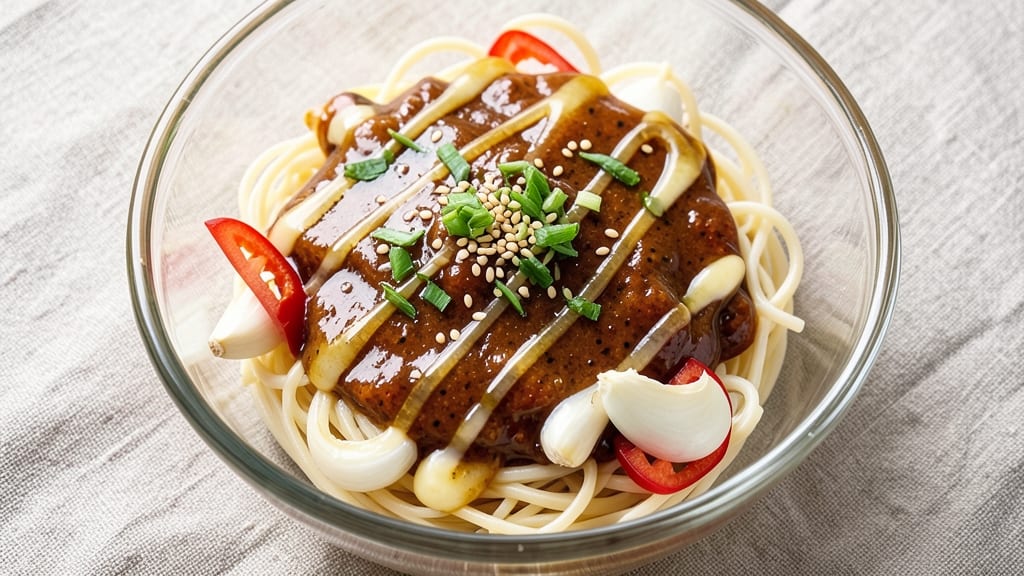
This Asian pasta salad dressing recipe delivers the perfect balance of umami, brightness, and subtle sweetness to elevate any cold noodle dish. 🌟 The secret lies in a harmonious blend of soy sauce, rice vinegar, and fresh ginger—creating a sauce that clings beautifully to pasta while enhancing every ingredient.
I developed this recipe after struggling to find store-bought dressings that didn’t taste overly sweet or lack depth.
The dressing comes together in minutes with just five core ingredients: soy sauce, rice vinegar, sesame oil, honey, and fresh ginger. The ginger adds a zesty kick that brightens the rich umami from the soy, while the sesame oil contributes nutty warmth.
This isn’t just a salad dressing—it’s a flavor booster that transforms simple pasta into a restaurant-worthy meal. The best part? It keeps well in the fridge for up to a week, so you can make a batch and use it all week long.
What makes this dressing truly special is its versatility. Use it on chilled pasta salads, toss it with cold noodles, or drizzle it over grilled meats and vegetables.
The sauce’s balance of tangy, sweet, and savory notes ensures it works equally well with delicate flavors like cucumber and carrot or heartier ingredients like chicken and edamame. The texture is silky yet clings perfectly, so every bite is packed with flavor.
For an extra layer of complexity, consider adding a touch of sriracha or a splash of lime juice. The dressing also freezes beautifully if you prefer to prep ahead—simply thaw and stir before using.
Whether you’re meal prepping for the week or dressing a last-minute salad, this recipe delivers professional-quality results with minimal effort. Let’s get started!
Ingredients for asian pasta salad dressing
Five essential ingredients create this umami-rich dressing perfect for elevating any pasta salad.
| Ingredient | Amount | Notes |
|---|---|---|
| Soy Sauce 🍜 | ½ cup | High-quality, preferably Japanese |
| Rice Vinegar 🍶 | ⅓ cup | Unseasoned, mild flavor |
| Sesame Oil 🌰 | 2 tbsp | Toasted, for nutty aroma |
| Honey 🍯 | 2 tbsp | Light amber preferred |
| Fresh Ginger 🧄 | 1 tbsp | Finely grated, aromatic |
| Garlic Cloves 🧄 | 1 clove | Minced, for depth |
| Sesame Seeds 🌰 | 1 tbsp | Toasted, for garnish |
| Water 💧 | ¼ cup | For thinning consistency |
| Salt 🧂 | ½ tsp | Adjust to taste |
| Black Pepper 🌶️ | ¼ tsp | Freshly ground |
The soy sauce and rice vinegar form the dressing's backbone, so quality matters. Kikkoman soy sauce or Japanese tamari delivers authentic umami depth, while unseasoned rice vinegar ensures proper acidity without added sugar. Fresh ginger is non-negotiable—organic ginger from the produce section (not powdered) provides that bright, zesty kick. For the sesame oil, Kadoya brand is my go-to for authentic toasted flavor, though any toasted sesame oil works. The honey should be light amber to avoid overpowering the delicate balance of flavors. If you can't find Japanese soy sauce, La Choy is a reliable alternative, though it may have slightly different depth.
No fresh ginger? Powdered ginger at half the amount works in a pinch, though texture and brightness will differ. Substitute honey with maple syrup or agave nectar for a vegan option, though honey's floral notes are ideal here. For extra heat, add 1 tsp sriracha or a pinch of red pepper flakes. If the dressing seems too thick after whisking, add 1 tsp more water. The garlic clove is optional but recommended—it adds subtle complexity that rounds out the flavors. For a smoother texture, strain the dressing through a fine-mesh sieve before using, especially if you prefer a silky finish.
This dressing keeps beautifully for 1 week in an airtight container in the fridge. For longer storage, portion into ice cube trays and freeze—simply thaw and stir before use. The flavors actually improve slightly after 24 hours as everything melds together. If you make a large batch, consider dividing it into smaller containers to prevent the sesame oil from separating at the top. The dressing works best at room temperature, so let it sit for 5-10 minutes before tossing with pasta. It pairs perfectly with chilled soba noodles, cold spaghetti, or even as a marinade for grilled proteins.
Why You'll Love This Recipe
- Five-Ingredient Magic: I swear by this combo—just stir soy sauce, rice vinegar, and a splash of sesame oil while the ginger simmers. Honestly, the honey ties it all together in seconds, and you’re left with something that tastes like a restaurant takeout.
- Umami Bomb: That first pour of soy sauce into warm ginger? Instant flavor explosion. The sesame oil adds this nutty depth, and the honey cuts through the saltiness—like a perfect balance of savory and sweet that lingers.
- Potluck Hero: Bring this to a BBQ and watch it disappear. It’s the one dressing that works with cold noodles, grilled chicken, or even veggie trays. I’ve used it for everything from picnic lunches to last-minute dinner fixes.
- Budget Bright Spot: Sesame oil and fresh ginger might sound fancy, but they stretch this dressing far. A little goes a long way, and it’s cheaper than store-bought bottled dressings that taste like sad, watered-down versions of this.
Step-by-step instructions for Asian pasta salad dressing
Here's how to make this vibrant, umami-rich dressing that elevates any pasta salad.
👨🍳 Step 1: Grate and Mince Aromatics
Start by finely grating 1 tablespoon of fresh ginger using a microplane or fine grater. The goal is to create a paste-like texture that will fully dissolve into the dressing. I like to press the grated ginger through a fine-mesh sieve to remove any fibrous bits—this ensures a silky-smooth final product.
Next, mince 1 clove of garlic as finely as possible. For best results, I use the flat side of my chef's knife to crush the garlic first, then chop it into a near-paste. This creates more surface area for flavor infusion. Set these aside—you'll add them to the dressing in just a moment.
🍳 Step 2: Whisk Base Ingredients
In a medium bowl, combine 0.5 cup soy sauce, 0.33 cup rice vinegar, and 0.25 cup water. Whisk vigorously for 30 seconds until fully integrated. This initial mixture should be slightly thick but pourable—it's the foundation of our dressing.
Add the grated ginger and minced garlic to the bowl. Whisk continuously for another 1 minute until the garlic loses its raw bite and the ginger fully dissolves. You'll notice the mixture darkens slightly and develops a rich aroma. This is when the umami magic begins—don't skip this step, as proper emulsification is key for a balanced dressing.
🍳 Step 3: Incorporate Oil and Sweetener
With the bowl still in your hand, slowly drizzle in 2 tablespoons of sesame oil while whisking continuously. The oil should emulsify immediately, creating a glossy sheen. If you whisk too quickly, you might end up with a separated dressing—go slow and steady.
Next, add 2 tablespoons of honey and whisk for another 30 seconds until completely dissolved. The honey not only adds sweetness but also helps balance the acidity from the rice vinegar. Taste the mixture at this point—it should be tangy, slightly sweet, and packed with umami. If it's too vinegary, add a pinch more honey; if it's too sweet, add a splash more rice vinegar.
👨🍳 Step 4: Season and Emulsify
Add 0.5 teaspoon of salt and 0.25 teaspoon of black pepper to the bowl. Whisk for another 30 seconds to fully incorporate. The salt enhances all the flavors, while the pepper adds a subtle warmth that complements the ginger and garlic.
Give the dressing one final whisk to ensure everything is well combined. It should now have a smooth, velvety consistency with a beautiful amber hue. If it's too thick for your liking, add 1-2 teaspoons of water at a time until it reaches your desired pouring consistency. For best results, let the dressing sit for 10 minutes at room temperature—this allows the flavors to meld even more.
🍽️ Step 5: Garnish and Store
Before using, sprinkle 1 tablespoon of toasted sesame seeds into the dressing and gently stir. These seeds add a delightful crunch and visual appeal. The dressing is now ready to use—it will keep in an airtight container in the refrigerator for up to 1 week, though I find it tastes best within the first 3-4 days.
This dressing works beautifully with cold pasta salads, noodle bowls, or even as a marinade for grilled meats. The balance of sweet, salty, tangy, and umami makes it incredibly versatile. For an extra touch, drizzle it over fresh vegetables or use it as a dipping sauce for spring rolls.
Pro Tips For Making Asian Pasta Salad Dressing
- Warm the Sesame Oil: Heat it gently in a small pan until it just shimmers—no smoking—and then let it cool before adding. Cold sesame oil straight from the bottle will make your dressing taste harsh, like someone dumped a bottle of liniment in your salad. A quick warm-up mellows that punch and lets the nutty aroma shine.
- Grate Ginger Like a Pro: Use the fine side of a box grater and rub the ginger back and forth (not up and down) to get a smooth paste, not jagged bits. Packed ginger paste from the jar works in a pinch, but fresh ginger adds depth—just don’t skip the straining step. A fine-mesh sieve or cheesecloth removes the fiber so your dressing stays silky.
- Balance the Vinegar Last: Taste after mixing soy, honey, and ginger, but hold off on the rice vinegar. Soy sauce is salty, honey is sweet, and vinegar’s acidity cuts through—adding it too early can make your dressing taste flat. Stir in vinegar drop by drop until it brightens, not overpowers.
- Whisk in Stages: Start with soy and honey, whisking until fully dissolved, then add ginger. Finally, drizzle in sesame oil while whisking vigorously—this emulsifies the dressing so it coats pasta instead of separating like a sad, oily puddle. (Yes, even if you’re impatient like me.)
Serving suggestions for this recipe
Pasta Salad Pairings
This dressing transforms simple pasta into a restaurant-worthy dish. Toss it with chilled soba noodles and add shredded cucumber, sliced bell peppers, and edamame for a refreshing summer salad.
For extra protein, stir in cooked shrimp or grilled chicken breast just before serving. The dressing's umami depth complements both delicate and hearty ingredients beautifully. 🥗
Garnish Game-Changers
Elevate your dish with simple garnishes that add texture and visual appeal. Sprinkle toasted sesame seeds directly on top before serving for nutty crunch. Thinly sliced green onions or cilantro provide fresh contrast, while crushed peanuts add a satisfying crunch.
For a pop of color, add mandarin orange segments or cherry tomatoes halved lengthwise. These garnishes not only look stunning but also enhance the dressing's flavors. ✨
Protein Pairings
This dressing works beautifully with grilled or roasted proteins. Drizzle it over teriyaki-glazed salmon or honey-mustard chicken for an Asian-inspired twist. The tangy-sweet balance complements the smoky flavors of grilled shrimp skewers or seared tofu perfectly.
For a complete meal, serve with steamed bok choy or quick-pickled vegetables on the side. The dressing's versatility makes it ideal for meal prep. 🍗
Vegetable Boosters
Add crunch and freshness to your salad with an assortment of vegetables. Thinly sliced carrots, shredded cabbage, and snow peas add texture, while avocado chunks bring creamy richness. For a spicy kick, toss in thinly sliced jalapeños or red pepper flakes.
The dressing's bright acidity cuts through the richness of avocado and nuts, balancing the dish beautifully. 🥕
Make-Ahead Meal Prep
Prepare your pasta salad a day ahead for maximum flavor development. Cook your pasta, let it cool completely, and store it in an airtight container with the dressing. The flavors meld beautifully overnight, making it perfect for lunches or potlucks.
For extra freshness, store the dressing separately and toss it with the pasta just before serving. This method ensures your salad stays crisp and flavorful, not soggy. ⏰
Presentation Tips
Serve your pasta salad in layered glass bowls for an elegant presentation. Start with a bed of mixed greens or shredded cabbage, then add the pasta and vegetables. Drizzle the dressing lightly over the top and garnish with sesame seeds and green onions.
For a rustic touch, use a wooden board or slate platter. The dressing's vibrant color makes it perfect for visually appealing dishes that impress guests. 💫
Nutrition facts
Frequently asked questions
Can I make this dressing without honey?
Yes! For a vegan version, substitute honey with 2 tablespoons maple syrup or agave nectar. If you prefer no sweetener, reduce the rice vinegar to 0.25 cup and add 1 teaspoon of sugar instead. The honey balances the acidity, so adjust to taste—start with half the amount if you're sensitive to sweetness.
Why did my dressing separate?
Separation usually happens when oil isn't emulsified properly. Whisk more slowly when adding sesame oil, or try adding 1 teaspoon of Dijon mustard to help bind the mixture. If it's already separated, whisk vigorously with a splash of warm water to re-emulsify. For future batches, chill the dressing for 10 minutes before using—this helps stabilize the texture.
How can I make this dressing spicier?
For heat, add 1 teaspoon of sriracha, ½ teaspoon of red pepper flakes, or 1 finely chopped Thai chili. If you love fresh heat, stir in 1 teaspoon of minced garlic and ½ teaspoon of chili crisp after whisking. Start with less—you can always add more, but you can't remove it! For a smoky kick, add ½ teaspoon of smoked paprika too.
Can I use this dressing on warm pasta?
While this dressing works best on cold pasta, you can use it on warm noodles if you reduce the rice vinegar by 1 tablespoon and add ½ teaspoon of cornstarch to thicken it slightly. Toss it in while the pasta is still hot, then let it cool before serving. For best texture, reserve ¼ cup pasta water and stir it in at the end to help the dressing cling better.
What's the best pasta shape for this dressing?
This dressing works beautifully with soba noodles, udon, spaghetti, or angel hair pasta because their thin shapes allow the sauce to cling perfectly. For extra texture, try ribbon pasta or fettuccine—the flat surfaces catch more dressing. Avoid thick, dense shapes like penne or rigatoni, as they hold onto the sauce less effectively.