
Salads
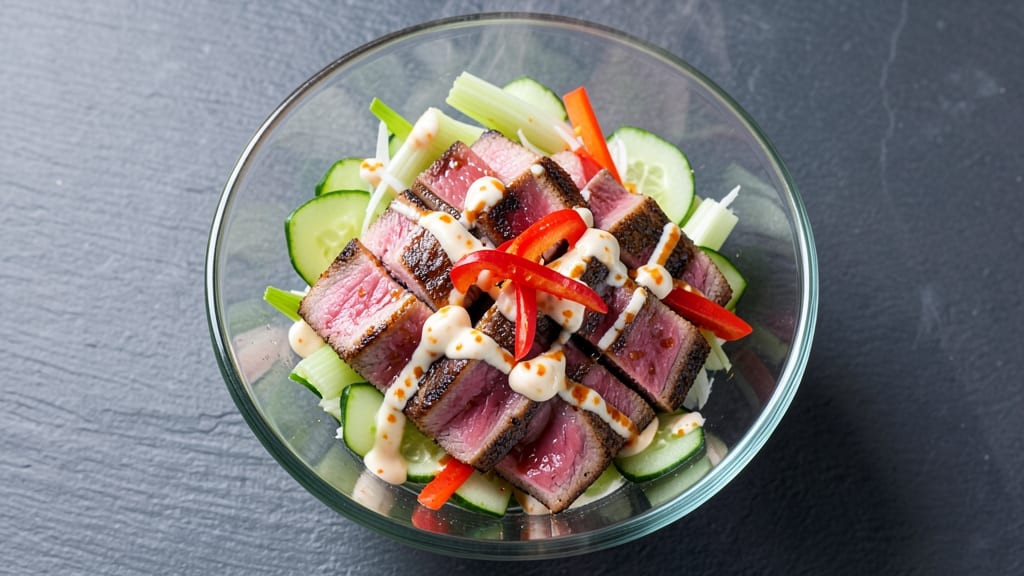
This Asian spicy tuna salad recipe delivers a bold, restaurant-quality flavor profile that balances heat, acidity, and crisp texture—perfect for weeknight lunches or elegant gatherings.
The secret lies in searing fresh ahi tuna to maintain its delicate texture while infusing it with a sriracha-mayo marinade that adds just the right amount of kick. I developed this recipe after years of experimenting with Asian-inspired salads, and it never fails to impress.
The dish features crisp celery crowns that add a satisfying crunch, while a tangy sesame-ginger dressing ties everything together. Unlike traditional sushi-style tuna salads, this version incorporates Western techniques—like quick-searing the tuna—for a foolproof method that works for both beginners and seasoned cooks.
The result is a salad that’s fresh, spicy, and deeply flavorful, with each bite offering a perfect harmony of textures.
What sets this recipe apart is the balance—the sriracha-mayo glaze adds heat without overpowering, while the celery and cucumber provide a refreshing contrast. The dressing, made with rice vinegar and sesame oil, enhances the tuna’s natural richness without competing for attention.
Whether you're serving it as a light lunch or a sophisticated appetizer, this salad is designed to elevate any meal.
Pair it with steamed jasmine rice or crispy wonton strips for a complete dish, or serve it alongside grilled shrimp for a seafood feast. The recipe scales easily, making it ideal for meal prep or entertaining. Let’s get started—this salad is a game-changer for tuna lovers.
Ingredients for asian spicy tuna salad
Bold flavors start with fresh seafood and vibrant Asian-inspired seasonings—everything you need for restaurant-quality tuna salad.
| Ingredient | Amount | Notes |
|---|---|---|
| Fresh Ahi Tuna Steak 🐟 | 1 ½ lb | Sushi-grade, cut into 1-inch cubes |
| Sriracha Sauce 🌶️ | ½ cup | High-quality, not reduced |
| Mayonnaise 🥫 | ½ cup | Duck egg preferred for richness |
| Celery Crowns 🧅 | 3 whole | Trimmed, cut into 1-inch pieces |
| Persian Cucumber 🥒 | 1 whole | Seedless, thinly sliced |
| Red Bell Pepper 🌶️ | 1 whole | Thinly sliced, seeds removed |
| Sesame Seeds 🌱 | 1 tbsp | Toasted for aroma |
| Rice Vinegar 🍶 | ¼ cup | Seasoned preferred |
| Fresh Ginger Root 🌿 | 1 ½ tbsp | Grated, fine consistency |
| Sesame Oil 🫒 | 1 tbsp | Toasted, not flavored |
| Soy Sauce 🥢 | 1 tbsp | Light or all-purpose |
| Honey 🍯 | 1 tbsp | Wildflower preferred |
| Lime Juice 🍋 | 2 tbsp | Freshly squeezed |
| Avocado Oil 🫒 | 1 tbsp | For searing tuna |
| Diamond Crystal Kosher Salt 🧂 | 1 ½ tsp | For seasoning |
The ahi tuna is non-negotiable—sushi-grade quality ensures safety and delicate texture. Look for vacuum-sealed packs at high-end seafood markets or specialty grocers like Whole Foods or Trader Joe's. If buying whole, ask the fishmonger to cube it for you. The sriracha-mayo glaze requires high-quality mayonnaise—duck egg mayo adds luxurious richness, but any good brand works. For the celery crowns, organic celery from the produce section stays crisp longer. Avoid pre-shredded bags—they oxidize faster and lose crunch. The Persian cucumber adds refreshing contrast; if unavailable, standard cucumbers work, but remove all seeds and pat dry thoroughly.
No sriracha? Substitute 1 tbsp gochujang plus 1 tsp honey for similar depth. Running out of sesame oil? Toasted peanut oil works in a pinch, though the flavor profile shifts slightly. The grated ginger should be freshly zested—bottled ginger loses its bright flavor. For extra crunch, toast the sesame seeds in a dry pan until golden. The rice vinegar should be seasoned (not plain)—it adds subtle sweetness that balances the heat. If you prefer less sugar, reduce the honey to 1 tsp and add an extra 1/2 tsp lime juice for brightness. The avocado oil is critical for searing—its high smoke point prevents burning while keeping the tuna tender.
Prep the celery and cucumber first—they soften quickly. Store the tuna cubes in an airtight container with a paper towel to absorb moisture, and use within 2 days for best texture. The sriracha-mayo dressing keeps for 5 days in the fridge, but the tuna should be added fresh before serving. For meal prep, assemble the salad day-of to maintain crispness. The sesame seeds can be toasted ahead and stored in a sealed jar for up to 2 weeks—just add them fresh when plating for maximum aroma.
Why You'll Love This Recipe
- I’ll be real: I make this on Sunday, and by Wednesday, I’m still eating it. The tuna stays tender (no rubbery horror stories here), and the sriracha-mayo dressing gets even better as it sits. It’s my secret for stretching a grocery budget without sacrificing flavor.
- Five-Ingredient Magic: I swear by this—just tuna, mayo, sriracha, cucumber, and celery. No fancy techniques, no last-minute grocery runs. The sriracha and mayo marry in seconds, and the cucumber’s cool crunch cuts through the richness like a breeze.
- Spice That Stays: That first bite? Chef’s kiss. The sriracha’s heat lingers just enough to wake up your palate, while the mayo keeps it silky. Honestly, I’ve made this for picky eaters—even my mom, who hates spice, asks for seconds because the flavor’s too good to resist.
- Lunchbox Legend: Between us, this is my go-to for work lunches or potlucks. Pack it in a jar, and it holds up for days—no soggy lettuce, no sad dressing pools. My coworkers think I’m a genius when I bring it; they never guess how little effort it takes.
Step-by-step instructions for Asian spicy tuna salad
A perfect balance of heat, freshness, and texture awaits with this precise method.
Prepare the Tuna and Sriracha-Mayo Base
Cut the 1.5 lb fresh ahi tuna steak into 1-inch cubes—this size ensures even cooking and bite-sized pieces. In a medium bowl, combine the 0.5 cup mayonnaise, 0.5 cup sriracha sauce, 1 tbsp soy sauce, 1 tbsp honey, and 2 tbsp lime juice. Whisk until fully emulsified and smooth. The mixture should have a vibrant red hue with a thick, creamy consistency.
I like to add the tuna cubes to this mixture immediately after preparation. Gently fold them in using a silicone spatula, being careful not to overmix. The acidity from the lime juice will begin to tenderize the tuna slightly while the sriracha adds that signature heat. Let this marinate for 15 minutes at room temperature—this ensures the flavors penetrate the tuna without overcooking it.
Toast the Celery and Prepare Vegetables
Trim the 3 whole celery crowns, cutting them into 1-inch pieces. In a dry skillet over medium heat, toast the celery for 3-4 minutes until the edges begin to soften and develop a slight golden color. This step is crucial—it removes any bitterness and adds a subtle crunch that contrasts beautifully with the creamy tuna.
While the celery toasts, thinly slice the 1 whole persian cucumber and 1 whole red bell pepper (seeds removed). Grate the 1.5 tbsp fresh ginger root using a fine grater or microplane. The ginger should be finely textured—no large chunks. Transfer all prepared vegetables to a large mixing bowl and set aside. The celery should still have some bite, not be fully softened.
Sear the Tuna for Perfect Texture
Heat 1 tbsp avocado oil in a nonstick skillet over high heat until shimmering. Working in batches to avoid overcrowding, sear the tuna cubes for 30-45 seconds per side until they develop a light golden crust but remain slightly translucent in the center. Overcooking will make the tuna rubbery—this is the moment that matters.
As soon as the tuna is seared, transfer it to the bowl with the marinated tuna mixture. Add the toasted celery, cucumber, bell pepper, grated ginger, 0.25 cup rice vinegar, and 1 tbsp sesame oil. Gently toss everything together until fully combined. The vegetables should be evenly distributed throughout the tuna mixture, adding freshness and crunch to each bite.
Finish with Aromatics and Serve
Taste the salad and adjust seasoning if needed—add a pinch more diamond crystal kosher salt if the flavors need balance, or a splash of rice vinegar for brightness. Sprinkle the 1 tbsp toasted sesame seeds over the top just before serving. These seeds add a nutty aroma and visual contrast to the vibrant red and green of the salad.
Serve immediately on a platter or divide among plates. The salad should be served chilled or at room temperature—this allows the flavors to meld perfectly. Each bite should deliver a harmonious blend of spicy, creamy, fresh, and slightly sweet notes, with the celery providing that essential crunch. Pair with crispy wonton chips or toasted baguette slices for an elevated experience.
Pro Tips For Making Asian Spicy Tuna Salad
- SEAR TUNA 30 SECONDS: Hit that pan screaming hot—just 20-30 seconds per side max. I used to drag it out, and the tuna turned rubbery. High heat locks in juices while keeping the texture firm enough to slice cleanly. (Yes, even if you’re impatient like me.)
- CHOP CUCUMBER LIKE A PRO: Skip the knife—use a mandoline for Persian cucumbers. Thin, even slices stay crisp longer and don’t turn to mush in the mayo. If you’re lazy, a sharp chef’s knife works, but angle it right: cut at 45 degrees for those fancy salad bar slices.
- BALANCE SRIRACHA WITH MAYO: Start with 1 teaspoon sriracha per ¼ cup mayo, then adjust. Too much heat? Add a splash of rice vinegar or a pinch of sugar—it cuts through without killing the flavor. I learned this after serving a bowl that made my friends reach for water.
- REST TUNA BEFORE SLICING: Let the seared tuna sit 2-3 minutes on a plate before cutting. This guarantees clean slices and keeps the salad from turning into a mushy tuna stew. (Your future self will thank you when the pieces hold their shape.)
Essential equipment for asian spicy tuna salad
Nonstick Skillet Essentials
Your nonstick skillet is the star of this recipe—it’s what creates that perfect sear on the tuna while keeping it tender. I recommend a 10-inch or 12-inch cast iron skillet with a nonstick coating, like the All-Clad Stainless with Nonstick Interior or GreenPan Cerama.
These handle high heat without warping and release the tuna effortlessly. If you’re on a budget, a Calphalon Nonstick Skillet works just as well. Avoid cheap nonstick pans—they can’t handle the heat and may release toxic fumes. 🔥
High-Heat Oil
For searing, you’ll need an oil with a smoke point above 450°F—avocado oil is my top choice because it stays stable at high heat without burning. Other great options include grapeseed oil or refined coconut oil.
Never use olive oil—its low smoke point will make the tuna greasy and bitter. Keep a small bottle of your chosen oil in the fridge to maintain its freshness. A 1-tablespoon measure is all you need per batch.
Knife and Cutting Board
A sharp 8-inch chef’s knife is a must for this recipe—you’ll need it to cube the tuna and slice the celery, cucumber, and bell pepper with precision. My go-to is a Wüsthof Classic or Shun Premier because they hold an edge well and make clean cuts.
Pair it with a cutting board—I prefer end-grain boards like Teakhaus because they’re gentle on knives and absorb odors. For extra safety, use a non-slip mat to keep the board in place while chopping.
Mixing and Measuring Tools
For the sriracha-mayo dressing, you’ll need a medium mixing bowl (I use Pyrex glass bowls because they’re non-reactive and easy to clean). A silicone spatula is perfect for folding the tuna into the dressing without breaking it up.
For measuring, a liquid measuring cup with a pour spout works best for the rice vinegar and sesame oil, while a small measuring spoon set ensures accuracy with the honey and lime juice. A microplane is ideal for grating the ginger—it’s faster and more precise than a box grater. 💡
Optional but Helpful
If you love garnishes, a small sieve or fine-mesh strainer helps toast sesame seeds evenly in a dry pan. For plating, a slotted spoon makes it easy to transfer the salad without soggy vegetables.
And if you’re serving this salad for a crowd, a large serving platter with a ceramic or marble surface keeps everything chilled and visually appealing. Trust me, these little tools make all the difference in presentation and ease.
Nutrition facts
Frequently asked questions
Can I use canned tuna instead of fresh ahi?
Fresh ahi tuna is ideal for this recipe because of its rich, delicate flavor and firm texture. Canned tuna won't work—the same way you wouldn't use it for sushi. If you absolutely must use canned, opt for high-quality seared tuna steaks (like those sold in vacuum-sealed packs at specialty stores) and follow the same searing method. The texture and flavor will be closer, but nothing beats fresh ahi for this dish.
How do I adjust the spice level?
The recipe uses sriracha for balanced heat, but you can easily adjust it. For milder heat, reduce sriracha to ¼ cup and add 1 tsp honey to compensate. For extra kick, add 1 tsp gochujang or a pinch of red pepper flakes. Always taste as you go—this salad should have a noticeable but not overwhelming spice level.
Can I make this salad ahead of time?
Prep the vegetables and dressing up to 2 days ahead, but hold off on adding the tuna until serving. Store the sriracha-mayo dressing separately in an airtight container. When ready to serve, sear the tuna fresh and combine everything just before eating. This keeps the tuna tender and prevents soggy vegetables. For best results, assemble the salad within 30 minutes of serving.
What's the best way to serve this salad?
This dish works beautifully as a light lunch or elegant appetizer. For a complete meal, pair it with steamed jasmine rice or crispy wonton strips. To elevate presentation, serve on a chilled platter with toasted sesame seeds sprinkled on top. Garnish with thinly sliced scallions or lime wedges for extra brightness. It also makes a stunning centerpiece for summer gatherings!
Why does my tuna turn rubbery when searing?
Overcooking is the most common cause—tuna cooks in seconds! Use a nonstick skillet on high heat and sear for only 30-45 seconds per side. The center should remain slightly translucent. Also, avoid overcrowding the pan—work in batches if needed. Another tip: Let the tuna sit at room temperature for 15 minutes before cooking for even results.