
Salads
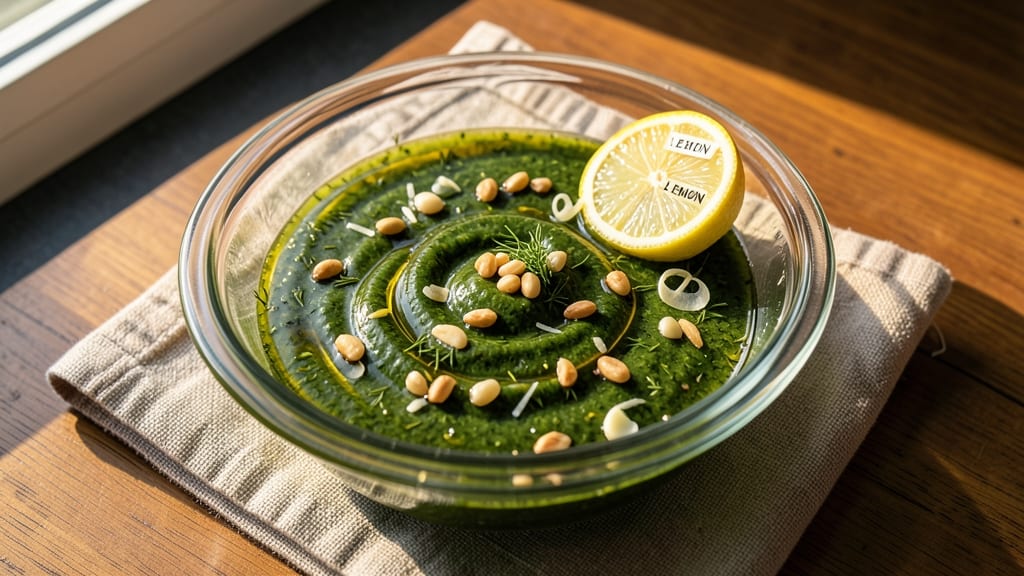
This asparagus salad dressing recipe transforms simple asparagus salads into restaurant-worthy dishes with its bright, tangy punch and unexpected crispy texture. 💛 The secret lies in a perfect balance of lemon juice, Dijon mustard, and fresh herbs—infused with toasted breadcrumbs for that satisfying crunch.
I developed this dressing after realizing store-bought versions never quite captured the freshness of spring asparagus.
The dressing starts with a classic vinaigrette base—extra-virgin olive oil, lemon juice, and Dijon mustard—but where it elevates is the addition of toasted breadcrumbs and fresh dill. These elements create a crispy contrast that cuts through the asparagus's natural bitterness while adding depth.
The garlic and shallot add aromatic warmth, ensuring every bite is flavorful without overpowering the delicate asparagus.
What makes this dressing truly special is its versatility—it works equally well on raw asparagus salads, grilled asparagus, or even as a marinade for asparagus spears.
The crispy breadcrumb texture remains intact for up to 3 days when stored in an airtight container in the refrigerator, making it perfect for meal prep. The dressing's bright acidity also pairs beautifully with grilled chicken, fish, or even roasted potatoes.
For an extra touch, whisk in a splash of honey or maple syrup to balance the tang, or add a pinch of smoked paprika for a subtle smoky note. This dressing is the finishing touch that turns a simple asparagus salad into a standout centerpiece. Ready to elevate your salads?
Ingredients for asparagus salad dressing
Nine simple ingredients create this restaurant-worthy dressing with crispy texture and bright flavor.
| Ingredient | Amount | Notes |
|---|---|---|
| Extra-Virgin Olive Oil 🫒 | ½ cup | High-quality, fruity variety preferred |
| Fresh Lemon Juice 🍋 | 0.3 cup | Freshly squeezed, no substitutes |
| Dijon Mustard 🥫 | 2 tbsp | Mild or strong, no honey added |
| Fresh Dill 🌿 | ¼ cup | Finely chopped, stems removed |
| Garlic Cloves 🧄 | 2 cloves | Minced, fresh preferred |
| Shallot 🧅 | 1 small | Finely minced, not sliced |
| Toasted Breadcrumbs 🍞 | ¼ cup | Panko or fresh bread, toasted |
| Salt 🧂 | 1 tsp | Diamond Crystal kosher preferred |
| Black Pepper 🌶️ | ½ tsp | Freshly ground, coarse grind |
| Honey 🍯 | 1 tbsp | Optional, for sweetness balance |
The breadcrumbs are the star here—Panko gives the best texture, but fresh bread works too if you toast it crispy in a dry pan. Trader Joe's has the best-priced Panko, but any grocery store carries it. For the herbs, fresh dill is non-negotiable—dried just won't cut it. The shallot adds subtle sweetness that balances the lemon's acidity perfectly. I always double-check my shallots are firm and pale purple, not shriveled or green-tinged. The garlic should smell pungent, not musty—if it does, toss it.
No fresh dill? Fresh parsley at half the amount works in a pinch, but you'll lose that signature asparagus flavor. Short on shallots? Extra-fine onion powder at one-third the amount mimics the sweetness. The honey is optional but recommended—it softens the tang and makes the dressing more versatile. Want extra crunch? Add 1 tbsp crushed pistachios or walnuts to the breadcrumbs before toasting. The dressing keeps its crispy texture when stored properly, so don't skip the toasted step—it's worth the extra minute.
This dressing stays fresh for 5 days in the fridge, but the breadcrumbs lose their crunch after 3 days. Store it in a sealed jar with a paper towel pressed on top to absorb moisture. The texture actually improves after sitting overnight as the flavors meld. Double the batch—it disappears fast. I keep mine in a mason jar in the fridge door for easy access. The crispy bits settle at the bottom, so give it a quick shake before using.
Why You'll Love This Recipe
- Five-Ingredient Magic: I swear by this combo—no fancy techniques, just whisking together olive oil, lemon, mustard, dill, and garlic until it clicks. Honestly, it’s the kind of dressing that makes me feel like a chef even when I’m multitasking with laundry.
- Bright & Tangy: That lemon juice cuts through everything—rich meats, buttery crusts, even grilled veggies—while the Dijon mustard adds a sneaky depth. The dill? It’s the secret weapon that keeps it fresh-tasting for days.
- Weeknight & Picnic: Slather it on asparagus, toss it with roasted potatoes, or drizzle it over a simple grain bowl. Between us, it’s my go-to for both lazy Tuesdays and packed lunches. (Yes, even when I forget to pack a fork.)
- Leftovers That Shine: This dressing doesn’t spoil—it elevates. I’ve had a jar last a full week in the fridge, saving me from scrambling for new ideas. Plus, the garlic and lemon preserve the flavor better than store-bought ever could.
Step-by-step instructions for herb-infused lemon vinaigrette
This dressing delivers bold flavor with a satisfying crunch—here's how to make it shine.
👨🍳 Step 1: Toast the Breadcrumbs for Crispy Texture
Preheat your oven to 350°F and spread the 0.25 cup toasted breadcrumbs on a baking sheet in an even layer. Toast for 5-7 minutes until they're golden brown and smell nutty. Watch closely—they burn fast once they start browning.
Here's the thing—properly toasted breadcrumbs make all the difference. They should be crisp enough to add texture but not so dark they taste bitter. Remove them immediately when they reach golden brown and let cool completely before using. I like to spread them on a wire rack to cool faster.
🍳 Step 2: Build the Vinaigrette Base
In a small bowl, whisk together the 0.3 cup fresh lemon juice, 2 tbsp Dijon mustard, 1 tbsp honey, 1 tsp salt, and 0.5 tsp black pepper until fully combined. This mixture should be smooth with no visible streaks of mustard.
The lemon juice should be freshly squeezed—bottled won't give you that bright, tangy flavor. If you're using strong Dijon mustard, you might want to reduce the honey slightly to balance the heat. Taste the mixture now—it should be pleasantly sharp and slightly sweet, with a good kick of pepper.
🍳 Step 3: Incorporate Aromatics and Olive Oil
Add the 0.5 cup extra-virgin olive oil in a slow stream while whisking continuously. This gradual addition creates a stable emulsion that won't separate. Next, stir in the finely minced shallot and minced garlic cloves—they'll mellow out as the dressing sits.
I like to use a high-quality fruity olive oil here—the peppery notes complement the lemon beautifully. If you're worried about the garlic being too strong, don't be. The acidity in the lemon will mellow it out as it sits. Whisk everything together until you have a smooth, glossy dressing with no visible oil separation.
🥘 Step 4: Fold in Fresh Dill and Crispy Breadcrumbs
Gently fold in the 0.25 cup fresh dill and 0.25 cup toasted breadcrumbs using a rubber spatula. The breadcrumbs should be evenly distributed but still visible—this gives that satisfying crunch we're after. Taste and adjust seasoning if needed, adding a touch more lemon juice or honey as necessary.
This is where the magic happens—the fresh dill adds bright herbal notes that cut through the richness of the olive oil. The breadcrumbs provide that textural contrast that makes this dressing so special. Give it one final taste before serving—it should be balanced with bright acidity, herbal freshness, and just enough sweetness to round out the flavors.
⏰ Step 5: Rest and Serve at Peak Freshness
Let the dressing rest for 10-15 minutes before serving. This allows all the flavors to meld together and the breadcrumbs to soften slightly without losing their crispness. The dressing will thicken slightly as it sits—this is normal and actually improves the texture.
This dressing is best served immediately over fresh asparagus, but it keeps well in the refrigerator for up to 3 days if stored in an airtight container. Before using, give it a quick whisk to redistribute the breadcrumbs and restore that perfect texture. The contrast of crispy breadcrumbs against tender asparagus makes this the ultimate spring salad dressing.
Pro Tips For Making Asparagus Salad Dressing
- Whisk in Stages: Start by mixing the Dijon mustard and lemon juice first—this emulsifies the mustard better than jumping straight to oil. Then slowly drizzle in the olive oil while whisking vigorously; if you dump it all in at once, you’ll end up with a split dressing. (I learned this after making a greasy mess the first time.)
- Mince Garlic Fine: Skip the press—it releases too much moisture and makes your dressing watery. Instead, finely mince the garlic with a knife (or pulse briefly in a food processor) so it blends smoothly. You want flavor, not texture.
- Strain the Dill: Chop the dill roughly, then strain it through a fine-mesh sieve to remove tough stems. This keeps the dressing silky and prevents bitterness. (Yes, it’s extra work, but you’ll taste the difference.)
- Taste Before Adding Salt: The Dijon and lemon already pack saltiness—taste the raw dressing first, then adjust with just a pinch of salt if needed. Over-salting here ruins the balance, and you can’t fix it later. (Trust me, I’ve tried.)
Troubleshooting your asparagus salad dressing
Oil Separation Fix
If your dressing separates after making or storing, whisk in 1 tsp Dijon mustard and 1 tsp honey to help re-emulsify. For a quick fix, add 1 tbsp warm water and whisk vigorously for 30 seconds.
The key is to gradually reintroduce the oil—add just 2 tbsp olive oil at a time while whisking continuously until smooth. This happens when the acid-to-oil ratio is off or if you didn’t whisk enough during initial prep. 💫
Lemon Too Sharp?
Balance overly acidic lemon by adding ½ tsp honey or ¼ tsp maple syrup and whisking well. For a savory fix, stir in 1 tsp minced shallot or ½ tsp toasted breadcrumbs—the extra texture distracts from the tartness.
If you prefer a milder flavor, reduce lemon juice to 0.25 cup next time and increase olive oil to 0.55 cup for a richer base.
Breadcrumbs Too Soft
To maintain crispiness, toast breadcrumbs in a 350°F oven for 7-8 minutes—they should be golden and smell nutty. For extra crunch, spread them on a wire rack to cool completely before adding.
If they lose crispness after refrigeration, reheat in a 300°F oven for 3-4 minutes until crisp again. Store in an airtight container with a paper towel to absorb moisture.
Dressing Too Thick?
Thick dressings often result from too much mustard or honey. Thin with 1-2 tsp warm water or lemon juice while whisking gently. For a smoother texture, strain through a fine-mesh sieve to remove any stubborn breadcrumb clumps.
If you prefer a thicker consistency, reduce olive oil by 1 tbsp—the emulsifiers (mustard, honey) will help stabilize it without thinning.
Herbs Too Strong?
Reduce fresh dill to 0.2 cup and boost shallot to 1.5 tsp minced for a more balanced flavor. If the herbs overpower, add 1 tsp extra-virgin olive oil to mellow their intensity.
For a subtler herb profile, use fresh parsley (half the amount) instead of dill—it’s milder but still bright. Always taste as you go to adjust proportions.
Storage Issues
If your dressing separates after refrigeration, whisk vigorously to redistribute ingredients. For long-term storage, keep it in a glass mason jar with a tight seal and store upside-down to preserve the crispy breadcrumbs.
If the dressing smells off, discard it—this dressing shouldn’t develop an unpleasant odor within 3 days if stored properly. The breadcrumbs may lose crispness after 2 days**, so reheat before serving if needed. ✨
Nutrition facts
Frequently asked questions
Can I make this dressing without breadcrumbs for a smoother texture?
For a smoother version, simply omit the breadcrumbs and replace them with 1 tbsp finely chopped toasted almonds or walnuts for texture. The dressing will still have that bright lemon-herb flavor but without the crunch. Just reduce the olive oil by 1 tbsp to maintain balance. This version works beautifully over delicate greens or grilled asparagus.
How do I adjust this dressing for a creamy version?
Swap the olive oil for ½ cup mayonnaise or Greek yogurt and reduce the lemon juice to 0.2 cup. Add 1 tsp Dijon mustard to help emulsify, then fold in the dill and toasted breadcrumbs. This creamy version pairs perfectly with roasted asparagus or as a dip for asparagus spears. Keep it refrigerated for up to 3 days in an airtight container.
What other vegetables pair well with this dressing?
This dressing shines on artichokes, radishes, or grilled zucchini—the bright acidity cuts through their natural sweetness. For heartier salads, toss it with roasted potatoes, avocado, or chickpeas. It also works as a marinade for grilled shrimp or chicken. The key is balancing textures—pair the crispy breadcrumbs with tender or slightly charred vegetables for the best contrast.
Why does my dressing taste bland after refrigeration?
Cold temperatures mute flavors, so let the dressing sit at room temperature for 10-15 minutes before serving. If it still tastes flat, boost the brightness by adding 1 extra tbsp lemon juice or ½ tsp minced garlic. For extra depth, stir in 1 tsp capers or anchovy paste (trust us, it works!). Always taste as you go—flavors often intensify after resting overnight.
Can I use this dressing on warm salads?
Yes, but with a few adjustments. Warm the dressing slightly (no boiling!) by placing the jar in warm water for 1-2 minutes to soften the breadcrumbs. For extra richness, add 1 tsp warm honey to balance any heat from warm ingredients. This dressing works beautifully on warm roasted asparagus with goat cheese or grilled chicken salads. The contrast of warm vegetables with cool dressing creates a restaurant-worthy experience!