
Salads
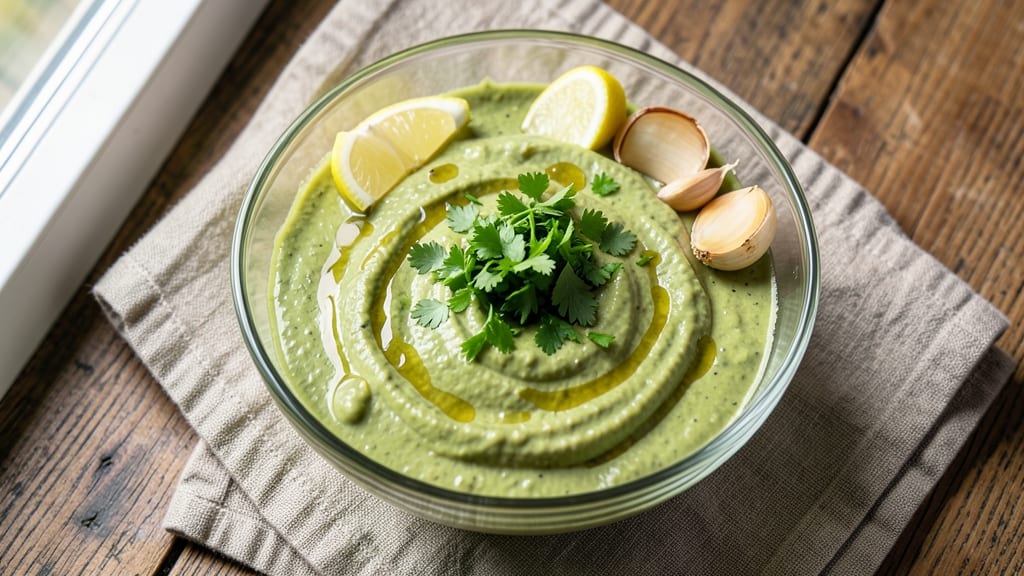
This avocado Caesar salad dressing recipe transforms traditional Caesar dressing with a luscious, creamy texture that comes from avocado instead of mayo. The blend of ripe avocado, tangy lemon, and fresh herbs creates a velvety sauce that's rich yet balanced—perfect for Caesar salads, wraps, or even drizzled over grilled vegetables.
What sets this apart is how the avocado naturally emulsifies with olive oil, eliminating the need for heavy cream or mayo while delivering that signature creamy mouthfeel.
The secret to achieving that signature Caesar flavor lies in the balance of ingredients: a ripe avocado for creaminess, garlic for depth, and a splash of lemon to brighten the richness. Fresh parsley adds a pop of color and freshness, while a touch of Dijon mustard helps bind everything together.
Unlike traditional Caesar dressing, this version stays fresh in the fridge for up to 5 days, making it ideal for meal prep or hosting.
What you’ll end up with is a dressing that’s smoother than store-bought versions yet packed with real, wholesome ingredients. The avocado adds a subtle nutty flavor that complements the tangy anchovy-free seasoning blend, creating a dressing that’s both creamy and vibrant.
It’s the kind of dressing that elevates simple salads into something restaurant-worthy without the guilt.
Use this dressing on classic Caesar salads, drizzle it over grilled chicken or fish, or even toss it with hearty grain bowls. The versatility makes it a staple for any meal—whether you're prepping lunches for the week or hosting a dinner party. Here’s how to make it.
Ingredients for avocado caesar salad dressing
Eight wholesome ingredients blend into velvety dressing without mayo or cream.
| Ingredient | Amount | Notes |
|---|---|---|
| Ripe Avocados 🥑 | 2 whole | Pitted, flesh scooped out |
| Extra-Virgin Olive Oil 🫒 | ¾ cup | High-quality, fruity variety |
| Fresh Lemon Juice 🍋 | 2 tbsp | Freshly squeezed, strained |
| Dijon Mustard 🌶️ | 1 tbsp | For binding and tang |
| Garlic Cloves 🧄 | 3 cloves | Peeled, minced finely |
| Fresh Parsley 🌿 | ¼ cup | Stems removed, chopped |
| Vegetable Broth 💧 | ½ cup | Low-sodium preferred |
| Raw Apple Cider Vinegar 🍶 | 1 tbsp | For tangy brightness |
| Salt 🧂 | ½ tsp | Diamond Crystal preferred |
| Black Pepper 🌶️ | ¼ tsp | Freshly ground preferred |
The avocado is non-negotiable here—ripeness matters most (slightly soft to touch). Grab organic Hass avocados from the grocery store's produce section, or hit the farmers market for peak flavor. Trader Joe's and Whole Foods carry reliable supplies year-round. For the olive oil, California Extra Virgin brands like Corto or Meadow Creek add fruity depth that store-bought dressings lack. The garlic should be fresh—pre-minced from a jar lacks the aromatic punch this dressing needs.
No Dijon mustard? Yellow mustard at half the amount works in a pinch, though the flavor will be milder. Fresh parsley wilting? Dried parsley at one-third the amount keeps the color but loses some freshness. The vegetable broth can be swapped for water plus 1 tsp soy sauce for umami depth. For extra richness without avocado, add 2 tbsp tahini—it blends beautifully and adds nutty notes. Store-bought lemon juice? Fresh is worth the squeeze—the pulp can create texture issues in this smooth dressing.
This dressing keeps best in an airtight jar with a thin layer of olive oil poured on top to preserve freshness. Good for 5 days in the fridge, though the avocado flavor peaks at day 2. For longer storage, portion into ice cube trays and freeze—perfect for single-serving use. The texture thickens slightly after refrigeration, so stir in 1-2 tbsp water when ready to use. Leftovers make excellent sandwich spread or pasta drizzle.
Why You'll Love This Recipe
- No Blender Needed: I swear by this trick—just mash the avocado with a fork right in the bowl. No pulsing, no straining, no cleanup. The texture comes out silky-smooth anyway, and honestly? I’ve made it this way a dozen times, even when my blender’s "on the fritz" again.
- Creamy Without Mayo: That avocado base replaces all the heavy mayo in classic Caesar, but it’s so much lighter. The lemon juice keeps it from browning, and the olive oil adds that rich depth—no weird aftertaste, just pure, velvety goodness that clings to every bite.
- Weeknight Superstar: Toss it with greens for dinner, drizzle it on grilled chicken for lunch, or even mix it into pasta for a sneaky upgrade. Between us, I’ve used the last bit to jazz up scrambled eggs in the morning. (Yes, even on a Tuesday night.)
- Lasts All Week: The lemon juice acts like a preservative, so this dressing stays fresh for days in the fridge. I’ll make a big batch on Sunday, and by Thursday, it’s still the star of my lazy salads. Plus, avocados are cheaper than bottled Caesar—this is my budget hack.
Step-by-step instructions for avocado Caesar salad dressing
Here's how to create a velvety, creamy dressing that delivers all the richness of traditional Caesar without mayo.
Prepare the Avocado Base
Cut the 2 whole ripe avocados in half, remove the pits, and scoop out the flesh into a food processor. The avocados should be perfectly ripe—when gently pressed, they should yield slightly without being mushy. Add the 0.5 tsp salt and 0.25 tsp black pepper to the processor bowl. These seasonings will help balance the fat content and enhance flavor as we build the dressing.
Pulse the avocado mixture briefly—just until combined but not pureed. You want to preserve some texture to give the dressing body without making it overly smooth. The color should be a vibrant green, indicating freshness and proper ripeness. If the mixture looks too dry, add 1 tablespoon of the vegetable broth to help emulsify the dressing later.
Add Aromatics and Acid
Add the 3 cloves minced garlic, 0.25 cup chopped fresh parsley, 1 tablespoon Dijon mustard, 1 tablespoon raw apple cider vinegar, and 2 tablespoons fresh lemon juice to the food processor. The garlic and parsley will provide depth of flavor, while the mustard acts as a natural emulsifier. The vinegar and lemon juice add brightness that cuts through the richness of the avocado.
Pulse the ingredients together until everything is finely chopped and combined. You're looking for a coarse texture at this stage—no need for a completely smooth consistency yet. The mixture should smell vibrant, with bright citrus notes and the earthy aroma of garlic. If it appears too thick, add another 1 tablespoon of vegetable broth to help with emulsification in the next step.
Emulsify with Olive Oil
With the food processor running, slowly drizzle in the 0.75 cup extra-virgin olive oil. Start with a very slow stream to allow the oil to incorporate smoothly. The key here is patience—the oil should blend into the mixture without separating. If the mixture starts to look too thick or the oil separates, add 1 tablespoon of vegetable broth at a time until it reaches a pourable consistency.
Continue processing until the dressing is completely smooth and creamy, with no visible streaks of oil. This process typically takes about 1-2 minutes of continuous blending. The dressing should coat the back of a spoon and have a velvety texture. If it's still too thick, add more vegetable broth 1 teaspoon at a time until it reaches your desired consistency for drizzling.
Adjust and Store
Taste the dressing and adjust the seasoning if needed. You may need a bit more salt, lemon juice, or vinegar to achieve the perfect balance between creamy, tangy, and savory. The dressing should be rich but not overpowering, with bright acidity to complement the avocado's natural fats.
Transfer the dressing to a clean jar or airtight container. For best results, use it within 2-3 days when stored in the refrigerator. The dressing may thicken slightly when chilled, so give it a quick stir before using. If it becomes too thick, thin it with a splash of vegetable broth or water. This dressing works beautifully on classic Caesar salads, wraps, or even as a dip for grilled vegetables.
Pro Tips For Making Avocado Caesar Salad Dressing
- MASH IT SMOOTH: Use a fork to break up the avocado first, then blend with an immersion blender—this way, you avoid overworking the oil and end up with a velvety texture instead of a greasy mess. I learned this the hard way after blending too long and ending up with avocado butter.
- SALT THE GARLIC: Toss the minced garlic cloves in a pinch of salt and let them sit for 5 minutes before adding to the dressing—this softens them and prevents that harsh, raw bite that ruins the balance. (Yes, even if you're impatient like me.)
- LEMON JUICE FIRST: Add the lemon juice to the avocado before blending—it helps stabilize the dressing and keeps it from separating later. I used to add it last, and the dressing would always split into oil pools.
- DRIZZLE, DON’T POUR: Start with 2 tablespoons of olive oil and blend, then add more as needed—this way, you control the thickness and avoid a slick, over-oily dressing. My grandmother swore by this, and she was right: less is more.
Pro cooking tips for this dish
Avocado Ripeness Test
Never underestimate how ripe your avocados are—this is the foundation of your dressing. Press gently: if the avocado yields slightly but doesn’t feel mushy, it’s perfect. I’ve ruined dressings with overripe avocados that turned bitter.
For best results, buy Hass avocados from the store’s produce section and let them sit at room temperature for 24 hours before using. If they’re too firm, place them in a paper bag with a banana for 1 day to speed up ripening. 🥑
Emulsification Secrets
The key to a silky dressing lies in how you incorporate the olive oil. Start with the food processor running on low speed and drizzle the oil very slowly—think 1 drop per second.
If the oil separates, add 1 tbsp vegetable broth at a time until it blends smoothly. I’ve found that pulsing between additions helps prevent lumps. For extra insurance, add ½ tsp xanthan gum if you’re sensitive to texture issues. 💧
Mustard’s Role
Dijon mustard isn’t just for flavor—it’s the secret emulsifier that binds the fat and water-based ingredients. If you’re out, yellow mustard works in a pinch, but the flavor will be milder.
For a nutty depth, add 1 tbsp tahini along with the mustard. The mustard also helps balance the richness of the avocado, so don’t skip it! 🌶️
Storage Hacks
This dressing keeps best in an airtight glass jar with a thin layer of olive oil on top to preserve freshness. It’ll last 5 days in the fridge, but the avocado flavor peaks at day 2.
For longer storage, portion into ice cube trays and freeze—perfect for single servings. When reheating, stir in 1-2 tbsp water if it thickens. I’ve even used leftover dressing as a pasta sauce—it’s that versatile! ❄️
Flavor Balance Fixes
If your dressing tastes too rich, add ½ tsp more lemon juice or 1 tsp apple cider vinegar to brighten it. Too bland? A pinch of garlic powder or smoked paprika adds depth without overpowering.
For a creamy texture boost, blend in 1 tbsp Greek yogurt at the end. Taste as you go—this is where the magic happens! 💡
Equipment Upgrades
A high-speed blender (like the Ninja BN601) handles this dressing better than a food processor, especially if you’re making large batches. For a smoother texture, strain the dressing through a fine-mesh sieve after blending.
If you’re short on time, a hand mixer works, but you’ll need to add 1 extra tbsp broth to help emulsify. 🔥
Nutrition facts
Frequently asked questions
Can I make this avocado dressing without a food processor?
Yes, but you'll need to get creative! Mash the avocado with a fork in a bowl, then whisk in the olive oil very slowly while adding other ingredients one at a time. For best results, use a hand mixer on low speed to help emulsify. You may need to add 1 extra tablespoon of vegetable broth to help bind everything together.
Why did my dressing separate? How can I fix it?
Separation usually happens when oil isn't incorporated slowly enough. To fix it, whisk vigorously or blend again with 1 teaspoon of Dijon mustard or ½ teaspoon of xanthan gum. If that fails, stir in 1 tablespoon of warm water to help re-emulsify. For prevention, always add oil drop by drop while blending on low speed.
How can I make this dressing spicier?
Add ½ teaspoon of cayenne pepper or 1 teaspoon of hot sauce to the final mixture. For a smoky kick, include ½ teaspoon of smoked paprika with the salt. If you love heat, blend in 1 chopped chipotle pepper in adobo sauce along with the garlic. Always taste first—you can always add more but can't remove excess spice!
Can I use this dressing on hot foods?
This dressing works beautifully on grilled chicken, shrimp skewers, or roasted vegetables. Just drizzle it on after cooking—heat can cause the avocado to break down. For extra stability, add 1 teaspoon of arrowroot powder when blending. The dressing will maintain its creamy texture even when served warm.
What's the best way to use up leftover dressing?
Transform it into a creamy sauce for pasta, a dip for veggie sticks, or a spread for sandwiches! For pasta, toss with cooked noodles and add a pinch of red pepper flakes. As a dip, serve with warm pita chips or crudités. You can also freeze leftovers in ice cube trays for single-serving portions—just thaw and stir before using.