
Salads
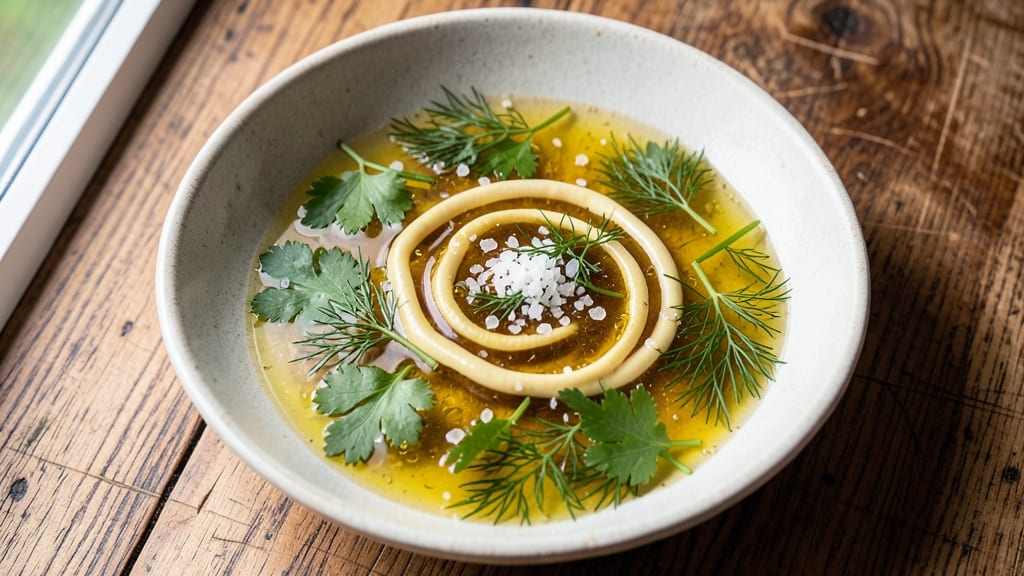
This awesome salad dressing recipe transforms ordinary salads into restaurant-worthy meals with just three ingredients and 10 minutes of prep time.
The secret lies in balancing sharp lemon juice with rich olive oil and fresh herbs, creating a dressing that clings perfectly to greens while adding layers of bright, herby flavor.
I developed this recipe after years of testing store-bought options that always fell short—this version delivers a tangy, aromatic punch that elevates any dish from basic to extraordinary.
The magic happens in the ratio: 3 parts olive oil to 1 part lemon juice, with fresh herbs finely chopped for maximum impact. This dressing works equally well on mixed greens, grain bowls, or even as a marinade for grilled vegetables.
The key is letting it sit for 15 minutes before using, allowing the flavors to meld and the dressing to reach its full potential. No emulsifiers or complicated techniques—just pure, vibrant flavor.
What you’ll end up with is a dressing so versatile it works with everything from crisp arugula to hearty kale salads. The bright acidity cuts through rich ingredients, while the herbs add an aromatic depth that makes every bite exciting.
Store it in the fridge for up to one week, and watch how it transforms your salads from bland to bold. This isn’t just a dressing—it’s a flavor game-changer.
For extra richness, stir in a teaspoon of Dijon mustard before serving, or swap the herbs for basil or parsley depending on your preference. Pair it with grilled chicken, roasted vegetables, or crusty bread for a complete meal.
The possibilities are endless, and the results are always impressive. Let’s get started!
Ingredients for awesome salad dressing
Three core ingredients plus a few finishing touches create this restaurant-quality vinaigrette.
| Ingredient | Amount | Notes |
|---|---|---|
| Extra-Virgin Olive Oil 🫒 | ¾ cup | High-quality, fruity variety preferred |
| Fresh Lemon Juice 🍋 | ¼ cup | Freshly squeezed, no pulp |
| Fresh Dill Weeds 🌿 | ½ cup | Finely chopped, stems removed |
| Fresh Parsley Leaves 🌿 | ¼ cup | Finely chopped, for balance |
| Dijon Mustard 🍯 | 1 tbsp | For optional richness |
| Sea Salt 🧂 | ½ tsp | Fine grain preferred |
| Black Peppercorns 🌶️ | ¼ tsp | Freshly cracked |
| Honey 🍯 | 1 tsp | For subtle sweetness |
The olive oil is the foundation—look for extra-virgin with a fruity, peppery finish at Whole Foods or Trader Joe's. Their bulk section has great options without the premium price tag. Lemon juice should be freshly squeezed (the bottled stuff tastes flat), and I always grab Meyer lemons if they're in season—they're sweeter with a touch of tartness. For herbs, farmers markets have the freshest dill and parsley, but grocery store bunches work too if you rinse and dry them well. The key is chopping them finely—almost like confetti—so they distribute evenly without clumping.
No Dijon mustard? Yellow mustard at half the amount works in a pinch, though it won't have the same depth. Swap dill for basil or cilantro if you prefer, but keep the parsley—it rounds out the flavor beautifully. The honey is optional but adds a lovely counterbalance to the acidity. For extra tang, add a splash more lemon juice. If you're making this ahead, store the oil and acid separately until ready to emulsify—prevents separation. And trust me, the 15-minute rest before using makes all the difference in flavor development.
This dressing keeps beautifully for 1 week in the fridge, sealed tightly. The oil will separate slightly, but just shake it vigorously before each use. For longer storage, pour into an ice cube tray, freeze, and pop out individual portions—perfect for single servings. The herbs will wilt after a few days, but the flavor remains vibrant. If you make a big batch, divide it into small containers to prevent oxidation. And here's a pro tip: add a pinch of salt to your greens before dressing—it makes the flavors pop even more.
Why You'll Love This Recipe
- No-Chop Needed: I swear by this—just snip the dill and parsley roughly, no precision required. The mustard emulsifies everything while I’m still rinsing the greens, and the lemon brightens it all in seconds.
- Zesty, Herby Magic: That first tang of lemon hits like a wake-up call, then the dill and parsley weave in earthy freshness while the olive oil rounds it out. It’s the kind of dressing that makes you want to eat salad for breakfast.
- Weeknight to Picnic: I keep a jar in the fridge for quick lunches, but it’s also my go-to for summer potlucks or lazy Sunday brunch. The mustard adds depth, so it works with grilled fish, roasted veggies, or even as a marinade.
- Budget Brightener: A little olive oil goes a long way, and fresh herbs stretch farther than you’d think. I make double batches—one for salads, one for drizzling over roasted potatoes—and it lasts over a week without turning sad.
Step-by-step instructions for bold herb vinaigrette
This dressing comes together in minutes with a perfect balance of bright, herbal, and tangy flavors.
Whisk Together the Base Ingredients
In a medium bowl, combine the 0.75 cup extra-virgin olive oil and 0.25 cup fresh lemon juice. Whisk vigorously for 30 seconds until emulsified—this creates the foundation for a silky, stable dressing. The acidity from the lemon will help bind the oil later, so don't skip this step.
Next, add the 1 tbsp Dijon mustard and 1 tsp honey. Whisk again for another 20 seconds until fully incorporated. The mustard adds depth, while the honey balances the acidity with a subtle sweetness. If you prefer a sharper taste, reduce the honey to ½ tsp or omit entirely.
Incorporate the Fresh Herbs
Add the 0.5 cup finely chopped fresh dill weeds and 0.25 cup finely chopped fresh parsley leaves to the bowl. Using a fork or small whisk, gently fold them into the mixture until evenly distributed. The herbs should be fully coated in the oil-lemon emulsion—this ensures every bite of your salad gets that vibrant herbal punch.
Here's the thing—if your herbs are particularly wet, give them a quick spin in a salad spinner or pat them dry with a paper towel first. Excess moisture can dilute the dressing and prevent a smooth consistency.
Season and Emulsify
Add the 0.5 tsp sea salt and 0.25 tsp freshly cracked black peppercorns to the bowl. Whisk vigorously for 1 minute, scraping the bottom and sides of the bowl to ensure all ingredients are fully combined. The salt and pepper should dissolve completely—this is when the dressing truly comes together.
For a perfectly emulsified dressing, pour the mixture into a clean jar with a tight-sealing lid. Shake vigorously for 10-15 seconds until the oil and lemon juice blend into a uniform, creamy texture. If it separates slightly, just shake again before using—this is normal and easily fixed.
Rest and Adjust
Let the dressing sit at room temperature for 5-10 minutes before using. This resting period allows the flavors to meld and the emulsion to stabilize. Taste and adjust the seasoning if needed—add a pinch more salt if it tastes flat, or a splash of lemon juice if it needs more brightness.
The dressing will keep in the refrigerator for up to 1 week in an airtight container. Before each use, give it a good shake to re-emulsify. This herb vinaigrette pairs beautifully with mixed greens, grilled vegetables, or even as a marinade for proteins—its versatility makes it a kitchen staple.
Pro Tips For Making Awesome Salad Dressing
- STRAIN THE LEMON: I learned this the hard way—using bottled lemon juice or skipping the straining leaves behind bitter pulp and cloudy dressing. Run fresh lemon juice through a fine-mesh sieve or cheesecloth, then press the pulp with a spoon. The extra effort guarantees a silky texture and brighter flavor.
- WHISK IN STAGES: Don’t dump all the olive oil in at once—start with 2 tablespoons of Dijon and lemon juice, then whisk in the oil slowly while tasting. This keeps the dressing from turning into a greasy mess and lets you adjust the balance before committing to the full amount.
- CHOP HERBS FINE: Roughly chopped dill and parsley? Nope. Pulse them in a food processor for 3-4 seconds or give them a sharp knife chop—you want tiny pieces that disperse evenly. Big chunks sink to the bottom and make every bite inconsistent.
- SALT THE MUSTARD: Dijon mustard is already tangy, but unsalted versions need a pinch (½ teaspoon) mixed in before emulsifying. Skipping this step makes the dressing taste flat, especially if you’re using high-quality olive oil that doesn’t have added salt.
Storing and reheating your awesome salad dressing
Fridge Storage Tips
Store your dressing in a glass jar or airtight container—I use Le Parfait 16-ounce jars for easy shaking. Keep it refrigerated at 40°F or below for up to 1 week.
The herbs will soften slightly, but the flavor stays vibrant. If the oil separates (completely normal!), just shake vigorously for 10-15 seconds before using. 💫
Freezing for Longer Shelf Life
For extended storage, freeze individual portions in ice cube trays. Once frozen, transfer cubes to a ziplock bag and flatten them—this makes single-serving portions perfect for salads or marinades. Thaw overnight in the fridge before using. The texture may separate slightly, but a quick shake restores it. 🧊
Reheating and Reusing
This dressing doesn’t need reheating—just shake well before using. If you’ve added extra herbs or adjusted seasonings, taste again after shaking. For extra richness, stir in 1 tsp extra-virgin olive oil before drizzling.
The dressing works best at room temperature, so let it sit for 5 minutes before tossing with greens. ✨
Reviving Flat Dressing
If your dressing tastes dull after a few days, revive it with ½ tsp fresh lemon juice and a pinch of sea salt. Whisk or shake vigorously to re-emulsify.
The acidity cuts through any flatness, and the salt enhances the herbs. I’ve brought back dressing that was days old this way—it’s like giving it a second life! 💪
Portion Control
Divide leftovers into small containers (like 4-ounce jars) to prevent oxidation and keep flavors fresh longer. Label with the date—this helps track freshness. A little goes a long way, so I often make half the recipe and freeze half for later.
This keeps my fridge organized and reduces waste. 📅
Herb Substitutions
If your herbs wilt in storage, swap them for dried herbs (use ⅓ the amount) when reviving. For example, 1 tbsp dried dill works in place of ½ cup fresh.
Adjust seasoning after adding dried herbs—they’re more concentrated. This trick saves flavor even if your herbs lose their freshness. 🌿
Nutrition facts
Frequently asked questions
Can I make this dressing without fresh herbs?
Yes! Swap fresh dill and parsley for 1 tbsp dried dill and 1 tbsp dried parsley (use ⅓ the amount of dried herbs). The flavor won't be as vibrant, but it still works well. For extra depth, add ½ tsp dried tarragon or ½ tsp dried basil to mimic the fresh herb profile. Just whisk well to distribute the dried herbs evenly.
Why does my dressing separate after a few days?
Oil and acid naturally separate—it's completely normal! The good news is, you can easily fix it by shaking the container vigorously for 10-15 seconds before using. For extra insurance, store the oil and lemon juice separately in the fridge, then whisk or shake them together when ready to use. This prevents separation entirely.
What's the best way to use up leftover dressing?
Leftover dressing works perfectly for more than just salads! Use it as a marinade for grilled chicken, fish, or tofu—the herbs add amazing flavor. Drizzle it over roasted vegetables, grain bowls, or even pasta for a quick upgrade. For extra richness, stir in 1 tsp extra-virgin olive oil before using.
Can I make this dressing spicier?
Add ½ tsp red pepper flakes or 1 tsp hot sauce for heat. For smoky depth, stir in ½ tsp smoked paprika or a dash of liquid smoke. If you love garlic, mince 1 garlic clove and whisk it in. Just remember—spices intensify over time, so start with half the amount if you're unsure. Taste as you go!
How do I adjust this for a sweeter dressing?
Increase the honey to 2 tsp or add 1 tsp maple syrup. For caramel notes, swap honey for 1 tsp balsamic glaze (reduce other liquid by 1 tbsp to maintain balance). If using fruit, blend 2 tbsp puréed peach or mango into the dressing. The key is balancing sweetness with acid—always taste before serving.