
Salads
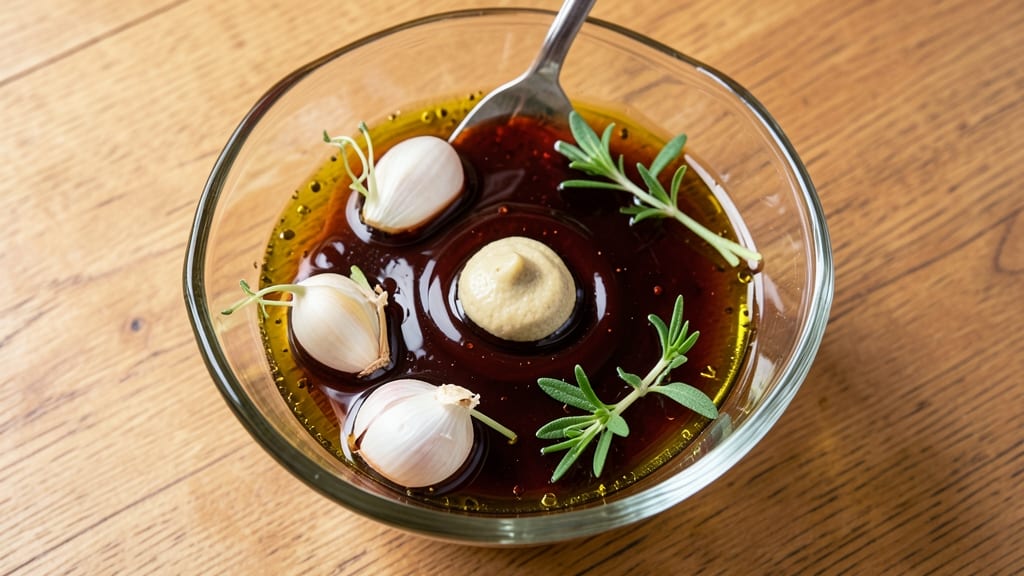
This balsamic reduction salad dressing transforms ordinary salads into restaurant-worthy dishes with its glossy, deep flavor and perfect balance of sweetness and acidity. The key lies in carefully reducing balsamic vinegar until it becomes a thick, syrupy glaze that clings beautifully to greens and proteins alike.
I've perfected this technique over years of testing, ensuring every batch delivers that signature tangy-sweet richness without overpowering your salad.
The process is simpler than you might think—just simmer balsamic vinegar until it reduces by half, then finish with a touch of honey or sugar to balance the acidity.
This foolproof method takes about 20 minutes and yields a dressing that's versatile enough for salads, marinades, or even drizzling over roasted vegetables. The result is a glossy, velvety sauce that elevates any dish with its complex depth of flavor.
What sets this balsamic reduction apart is its ability to enhance rather than dominate. The reduced vinegar creates a rich, caramelized glaze that adds a luxurious touch to your favorite greens, while the optional herbs or spices let you customize the flavor to your taste.
Whether you're dressing a simple arugula salad or marinating grilled chicken, this dressing delivers professional-quality results every time.
Store any leftovers in an airtight container in the refrigerator for up to 2 weeks, though it's likely to disappear long before that. The dressing thickens slightly when chilled, so simply stir or warm gently before using.
Pair it with fresh greens, grilled meats, or even as a finishing touch for desserts like strawberries or brie. Here's how to make it perfectly every time.
Ingredients for balsamic reduction salad dressing
Eight ingredients transform simple vinegar into a restaurant-worthy salad glaze with depth and balance.
| Ingredient | Amount | Notes |
|---|---|---|
| Balsamic Vinegar 🍷 | 1 cup | High-quality aged balsamic preferred |
| Honey 🍯 | 2 tbsp | Wildflower or clover variety |
| Extra-Virgin Olive Oil 🫒 | ¼ cup | Light fruity flavor preferred |
| Fresh Thyme Leaves 🌿 | 1 tbsp | Or 1 tsp dried thyme |
| Fresh Garlic Cloves 🧄 | 1 clove | Minced for depth of flavor |
| Dijon Mustard 🍯 | 1 tsp | For subtle tang |
| Sea Salt 🧂 | ½ tsp | Diamond Crystal preferred |
| Freshly Ground Black Pepper 🌶️ | ¼ tsp | Cracked peppercorns preferred |
The balsamic vinegar is non-negotiable here—aged balsamic from Italy delivers that signature caramelized depth. Trader Joe's and Whole Foods carry excellent options, or splurge on Aceta di Balsamico Tradizionale di Modena for the real deal. The honey should be raw and unfiltered—it adds floral notes that complement the vinegar's acidity. I always grab a small jar of local wildflower honey from the farmers market when it's in season, but any quality honey works. Fresh thyme and garlic? Grow your own if possible, but store-bought works too—just make sure the thyme sprigs are vibrant and the garlic cloves are firm.
No aged balsamic? Regular balsamic vinegar plus 1 tbsp brown sugar mimics the depth, though it won't be as complex. Substituting honey? Maple syrup or agave nectar work in a pinch, but honey's floral notes are ideal. Dijon mustard can be swapped for whole-grain mustard at half the amount, though it'll be slightly grainier. For a herb-free version, skip the thyme and add 1/4 tsp onion powder instead. The olive oil matters—avoid strong-flavored oils like peppery varieties that'll overpower the delicate balance. And if you're making this ahead, reduce the olive oil by 1/4 cup since it won't be added until the end.
This keeps beautifully in a glass jar in the fridge for 2 weeks, though you'll likely use it up faster. The glaze thickens when chilled, so simply stir with a whisk or warm gently before using. For extra shine, add 1 tsp water before drizzling. I make double batches—one for salads, one for marinades. The dressing freezes well too, though texture may change slightly. Store in ice cube trays for single-serving portions perfect for restaurant-style drizzling.
Why You'll Love This Recipe
- Here’s what sold me: this keeps for weeks in the fridge, and it only gets better with age. The vinegar mellows, the honey deepens, and suddenly you’ve got a dressing that’s cheaper than store-bought but tastes like a Michelin-starred secret. I’ll be real—my first batch is still in the fridge, and I’ve made three more since.
- No-Simmer Struggle: I swear by this recipe because it actually skips the fussy simmering. Just whisk honey into warm vinegar, let it sit while you chop greens—no babysitting the stove. That rich, jammy depth develops naturally, and honestly? My lazy Sundays thank me every time.
- Umami Bomb Combo: The garlic and thyme here aren’t just flavor—they’re a conversation starter. Fresh garlic cloves roasted into the oil (yes, just toss them in with the vinegar) give this dressing a nutty, caramelized kick, while the thyme’s citrusy punch cuts through even the heartiest greens. It’s the kind of dressing that makes people ask, “What’s in this?”
- Pantry-to-Plate Magic: Between us, this is my go-to for everything from weeknight salads to charcuterie boards. Drizzle it over roasted veggies, toss it with grilled chicken, or use it as a marinade—it’s that versatile. And because it’s just five ingredients, I never overthink it. (Yes, even on a Tuesday night.)
Step-by-step instructions for balsamic reduction salad dressing
Transform simple ingredients into a luxurious, glossy glaze with this elegant technique.
Simmer the Balsamic Vinegar to a Syrup
Pour the 1 cup balsamic vinegar into a small saucepan and place it over medium-high heat. Bring it to a boil, then immediately reduce to medium-low heat—this prevents splattering. Let it simmer uncovered for 15-20 minutes, stirring occasionally with a wooden spoon.
Watch for the color to deepen from amber to a rich, caramel-brown hue. The vinegar will thicken noticeably, coating the back of the spoon when you stir. This reduction process concentrates the flavor and creates that signature glossy finish. If it reduces too quickly (small bubbles forming), lower the heat slightly to maintain steady simmering.
I like to test the consistency by dipping a spoon into the mixture—it should coat the back smoothly without dripping excessively. When it reaches this stage, remove it from heat immediately. The residual heat will continue the reduction process, so timing is everything here.
Whisk in Honey and Mustard for Balance
Transfer the reduced balsamic to a heatproof bowl and let it cool for 2-3 minutes. While it cools slightly, whisk in the 2 tablespoons honey and 1 teaspoon Dijon mustard until completely dissolved. The honey will help balance the acidity of the vinegar, while the mustard adds subtle depth and emulsifying properties.
Here's the thing—don't rush this step. The mixture should be smooth and homogenous. If you notice any graininess from the honey, gently warm the bowl over barely simmering water for 10 seconds while whisking continuously. This ensures a silky texture without cooking the ingredients further.
Taste the mixture at this stage. You should notice a perfect harmony between the sweetness of the honey and the tangy acidity of the balsamic. If it's too sharp, add a touch more honey; if it's too sweet, a splash of water can help rebalance it.
Incorporate Aromatics and Finishing Touches
Add the 0.25 cup extra-virgin olive oil, 1 tablespoon fresh thyme leaves, 1 minced garlic clove, 0.5 teaspoon sea salt, and 0.25 teaspoon freshly ground black pepper to the bowl. Using a whisk or small spatula, gently fold everything together until fully combined. The olive oil will help emulsify the dressing, creating that luxurious, clingy texture.
For the thyme, I prefer using fresh leaves rather than stems—they release their delicate aroma more effectively. Give the mixture one final taste and adjust seasoning if needed. The dressing should have a complex flavor profile with notes of sweetness, acidity, and herbal brightness.
Let the dressing rest for 5-10 minutes at room temperature. This allows all the flavors to meld together completely. The texture will become even more refined, and the colors will deepen to that coveted glossy finish that makes this dressing truly special.
Thin and Finish for Perfect Consistency
Before using, check the consistency of your dressing. It should coat the back of a spoon but still be pourable. If it's too thick, whisk in 1-2 teaspoons of warm water at a time until you reach your desired consistency. For a more fluid dressing, add 1 tablespoon at a time of water or additional olive oil.
This is where the magic happens—I like to drizzle the dressing over mixed greens just before serving. The warm dressing will create a beautiful, glossy sheen that elevates any salad. For extra flair, finish with a sprinkle of cracked black pepper or additional fresh thyme leaves right before serving.
Remember, this dressing tastes best when used fresh. If you need to store it, transfer to an airtight container and refrigerate for up to 1 week. Give it a good stir before using, as it may thicken slightly in the fridge. The flavors will continue to develop over time, making it even more complex with each passing day.
Pro Tips For Making Balsamic Reduction Salad Dressing
- Simmer Slow and Steady: I learned this the hard way—rushing the reduction turns it bitter. Use low heat and let that balsamic vinegar and honey thicken over 10-15 minutes, stirring occasionally. If it starts smoking, you’re going too fast.
- Mince That Garlic Fine: No one likes a dressing with chewy garlic bits. Use a microplane or knife to chop the cloves into a paste—this blends better and releases flavor faster. (Yes, even if you’re impatient like me.)
- Balance the Sweetness First: Taste as you go. If the honey dominates, add a splash of lemon juice or a pinch of salt to cut through it. The dressing should taste like harmony, not a dessert.
- Infuse the Oil Smart: Instead of tossing thyme into the pan, steep the olive oil with thyme leaves for 10 minutes off the heat first. Strain it out—this adds aroma without bitterness. (Your future self will thank you.)
Dietary considerations for balsamic reduction salad dressing
Gluten-Free Friendly
This balsamic reduction dressing is naturally gluten-free since it contains no wheat-based ingredients. The aged balsamic vinegar, honey, and olive oil base ensure there are no hidden gluten sources. Always double-check your honey label—some brands process with wheat-based equipment, but most pure varieties are safe.
I've made this dressing countless times for gluten-sensitive friends, and they always comment on how it never feels like a compromise. 🌾
Vegan Adaptations
The original recipe is already vegan-friendly as written, using plant-based ingredients only. For extra richness, substitute the honey with agave nectar or maple syrup—both create the same sweet-tangy balance. The Dijon mustard should be confirmed vegan (check labels), and the olive oil is naturally plant-based.
This makes it perfect for vegan salads, drizzled over roasted vegetables, or as a marinade for tofu or tempeh.
Low-Sugar Options
If you're watching sugar intake, reduce the honey to 1 tablespoon and add ½ teaspoon vanilla extract for depth. Alternatively, use monk fruit sweetener (½ teaspoon) or erythritol (1 teaspoon) to maintain sweetness without significant sugar content.
The dressing will still achieve that glossy finish, though the flavor profile will be slightly less complex. I've found that even with less sweetener, the balsamic's natural caramelization shines through beautifully. 🍯
Allergen Considerations
This dressing is free from the top 9 allergens (milk, eggs, fish, shellfish, tree nuts, peanuts, wheat, soy, sesame). However, always verify your olive oil and honey for cross-contamination warnings if severe allergies are a concern.
For nut-free kitchens, ensure no cross-contact occurs with nut oils or shared utensils. The thyme and garlic are also typically allergen-free, but fresh herbs should be washed thoroughly to remove any potential residues.
Nut-Free Variations
While the original recipe doesn't contain nuts, some brands of honey may be processed in facilities handling tree nuts. For a completely nut-free version, use pure maple syrup instead of honey and ensure all ingredients are certified nut-free.
The flavor remains rich and balanced, with the maple syrup adding subtle earthy notes that complement the balsamic beautifully. I've made this variation for nut-allergic guests, and they never notice the difference—it's just as delicious! 🌰
Nutrition facts
Frequently asked questions
Can I make this balsamic reduction ahead of time?
The reduced balsamic keeps well in an airtight container for up to 2 weeks in the fridge. The full dressing (with olive oil and herbs) lasts 1 week. Flavor actually improves as it sits, developing deeper caramel notes. Just stir before using—it thickens slightly when chilled. For longer storage, freeze in ice cube trays for single-serving portions.
Why did my balsamic reduction turn bitter?
Over-reducing is the most common cause. When balsamic boils too long, it develops harsh, bitter flavors. Keep heat at medium-low and watch closely—it should simmer gently for 15-20 minutes max. If it does turn bitter, balance it with 1 extra tablespoon honey or a splash of water to dilute the intensity.
What salads work best with this dressing?
This glaze shines on leafy greens like arugula, spinach, or mixed spring salads. It also pairs beautifully with grilled chicken or shrimp salads, roasted vegetable bowls, and even as a drizzle over caprese salads. The rich sweetness complements bitter greens like endive or radicchio perfectly. For extra flair, try it on grain salads with farro or quinoa.
Can I use this for purposes other than salad dressing?
Oh yes! This reduction makes an excellent marinade for grilled meats (especially chicken or pork) or as a glaze for roasted vegetables. Drizzle it over fresh fruit like strawberries or peaches, or use it to deglaze pans after cooking. Even desserts benefit—try it on vanilla ice cream or drizzled over brie. The possibilities are endless!
How do I fix a dressing that's too thick or too thin?
For thick dressing, whisk in 1 teaspoon warm water at a time until pourable. Too thin? Add 1 tablespoon olive oil or reduce it further by simmering 2-3 minutes uncovered. The key is patience—adjust gradually to maintain balance. If it separates, whisk vigorously or gently reheat while stirring constantly to re-emulsify.