
Salads
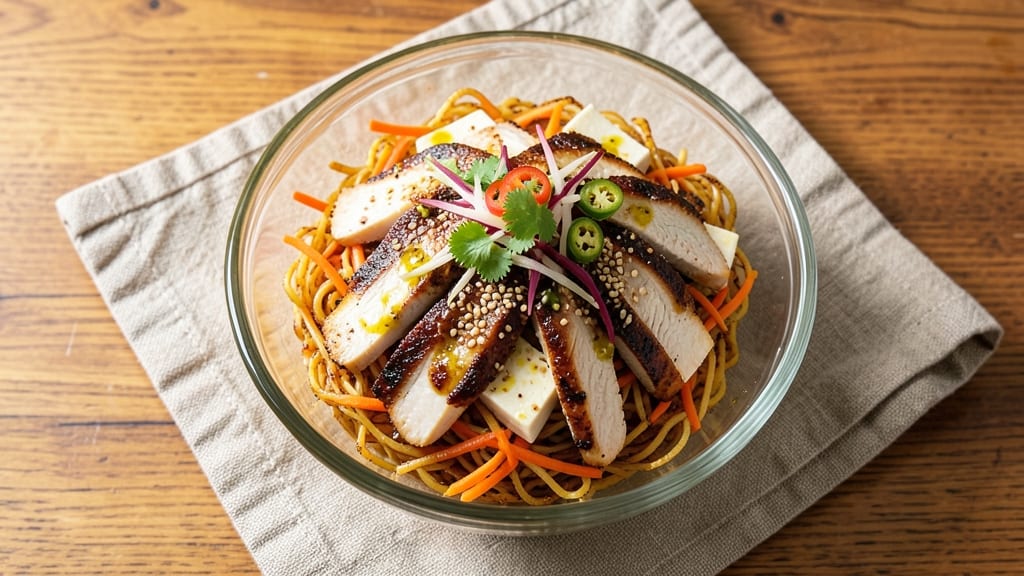
This banh mi pasta salad recipe transforms bold Vietnamese flavors into a crispy, tangy noodle bowl that’s equal parts restaurant-worthy and weeknight-friendly. The secret? Al dente pasta tossed with a peanut-lime dressing that balances sweet, salty, and umami—just like a classic banh mi, but with the freshness of a salad.
I developed this after craving something hearty yet light, and the result is a dish that’s as satisfying as it is adaptable.
The foundation starts with crispy-edged pasta—achieved by tossing cooked noodles with oil and a pinch of salt before mixing in the dressing. Grilled chicken or crispy tofu adds protein, while quick-pickled carrots and daikon bring the signature tangy crunch of a banh mi.
Fresh herbs like cilantro and mint elevate every bite, turning this into a flavor-packed meal that’s ready in under 30 minutes.
What sets this apart is the fusion of textures and flavors: the crispy pasta edges contrast with tender protein, while the peanut-lime dressing ties everything together with its creamy-sweet tang. It’s a dish that feels indulgent yet balanced—perfect for picnics, meal prep, or a quick lunch.
The best part? Every element can be swapped or omitted to fit dietary preferences, from vegetarian to gluten-free.
Serve it chilled or at room temperature, garnished with extra herbs and crushed peanuts for that final crunch. This isn’t just a pasta salad—it’s a flavor adventure that proves fusion food can be both exciting and effortless. Let’s make it.
Ingredients for banh mi pasta salad
Crispy noodles, tangy dressing, and bold flavors—this fusion salad delivers restaurant-quality bites in 30 minutes.
| Ingredient | Amount | Notes |
|---|---|---|
| Jasmine Rice Noodles 🍜 | 8 oz | Uncooked, rice stick variety |
| Extra-Virgin Olive Oil 🫒 | ¼ cup | For crispy edges |
| Kosher Salt 🧂 | 1 ½ tsp | Fine grain preferred |
| Grilled Chicken Breast 🍗 | 1 lb | Diced, skinless, boneless |
| Firm Tofu 🥬 | 1 block | Crispy pressed, cubed |
| Carrots 🥕 | 1 medium | Julienned, for pickling |
| Daikon Radish 🥬 | ½ cup | Thinly sliced, for crunch |
| Cilantro 🌿 | ½ cup | Fresh, chopped stems |
| Fresh Mint Leaves 🍃 | ¼ cup | Chopped, for brightness |
| Peanut Butter 🥜 | ½ cup | Creamy, unsweetened |
| Lime Juice 🍋 | ¼ cup | Freshly squeezed |
| Soy Sauce 🥢 | 3 tbsp | Light or regular |
| Honey 🍯 | 2 tbsp | For sweetness balance |
| Sesame Oil 🌾 | 1 tbsp | Toasted, for aroma |
| Crushed Peanuts 🥜 | ¼ cup | For garnish, optional |
The noodles are everything here. Jasmine rice noodles hold their shape better than wheat pasta for this dish, and Trader Joe's or Asian markets carry the best quality. Look for bright, firm strands—none of that mushy stuff. The key to crispy edges? Toss freshly cooked noodles with extra-virgin olive oil and salt while still warm, then let them cool before adding dressing. I always double the batch since they disappear fast—this makes perfect leftovers for lunch the next day.
No grilled chicken? Crispy tofu or shrimp works just as well. The pickled carrots and daikon are non-negotiable for that banh mi tang—rice vinegar and sugar do the trick in 15 minutes. For the dressing, natural peanut butter (no added sugar) keeps it authentic, but any creamy variety works. Short on lime juice? Substitute lemon juice at the same amount, though lime's brightness is ideal. The sesame oil adds depth, but if you're sensitive to its flavor, cut it to 1 teaspoon and boost the peanut butter to 0.55 cup instead.
This salad keeps beautifully for 3-4 days in the fridge, but the noodles soften over time. Store the dressing separately and toss just before serving to maintain crispness. For meal prep, portion the noodles and toppings in containers—add dressing fresh for the best texture. Garnish with extra herbs and crushed peanuts right before eating, since both lose their vibrancy when stored. Freezes surprisingly well too—just omit the fresh herbs and add them fresh after thawing.
Why You'll Love This Recipe
- I swear by this trick: if I’m in a rush, I skip cooking the jasmine rice noodles entirely and just toss them cold with the dressing. They soften as they sit, and honestly? You’d never know the difference—just a fresher, crunchier bite.
- No-Cook Noodles Option: I swear by this trick: if I’m in a rush, I skip cooking the jasmine rice noodles entirely and just toss them cold with the dressing. They soften as they sit, and honestly? You’d never know the difference—just a fresher, crunchier bite.
- Umami Bomb Combo: That grilled chicken and crispy tofu? Absolute magic. The chicken stays juicy while the tofu gets that golden, caramelized crust—like a banh mi’s soul in every forkful. Between us, the olive oil finish ties it all together in the best way.
- Lunchbox Hero: This salad holds up like a champ for days, and I mean days. Pack it in jars for work or toss it in a thermos for picnics—no soggy noodles here. My kids even take it to school, and they’re not picky eaters.
Step-by-step instructions for crispy banh mi-inspired pasta salad
Transform simple ingredients into a vibrant fusion salad with crispy noodles and bold flavors.
Prepare the Crispy Noodles
Heat a large skillet over medium-high heat and add the 0.25 cup extra-virgin olive oil. Once the oil shimmers, add the 8 oz jasmine rice noodles in a single layer, spreading them evenly. Cook undisturbed for 2-3 minutes until the edges begin to turn golden brown and crispy.
I press down gently on the noodles during the first minute—this prevents them from curling and ensures even contact with the pan. Stir briefly with tongs, then transfer the crispy noodles to a large mixing bowl. Set aside while you prepare the remaining components. The residual heat will keep them warm and maintain their texture.
Cook and Slice the Protein
In the same skillet (no need to clean it—the fond adds flavor), add the 1 lb grilled chicken breast and cook for 2-3 minutes until warmed through. Remove from heat and let cool slightly before dicing into ½-inch pieces. Transfer to the mixing bowl with the noodles.
If using the 1 block firm tofu, press it first between paper towels for 15 minutes to remove excess moisture. Cut into ½-inch cubes and pan-fry in the same skillet with a light coating of oil until golden brown on all sides. Add these tofu cubes to the bowl as well. This step ensures both proteins contribute to the salad's hearty texture.
Create the Tangy Peanut-Lime Dressing
In a small bowl, whisk together the 0.5 cup peanut butter, 0.25 cup lime juice, 3 tbsp soy sauce, 2 tbsp honey, and 1 tbsp sesame oil until smooth. Thin with 2-3 tablespoons of warm water if needed to reach a pourable consistency. The dressing should coat the back of a spoon but remain thick enough to cling to the noodles.
Taste and adjust the balance—add more lime for tang, honey for sweetness, or soy sauce for umami. I like to let it sit for 5 minutes before using to allow the flavors to meld. This dressing is the soul of the dish, so don't rush this step.
Assemble the Crunchy Vegetable Mix
In a separate bowl, combine the 1 medium julienned carrots, 0.5 cup thinly sliced daikon radish, 0.5 cup chopped cilantro, and 0.25 cup chopped fresh mint leaves. Toss gently with 1 tsp kosher salt to enhance their natural sweetness. Let sit for 5 minutes while you finish the dressing.
The radish and carrots should remain crisp—avoid over-salting or soaking them, as this would make them limp. These vegetables provide the fresh crunch that balances the rich peanut dressing and crispy noodles. Here's where the salad gets its vibrant colors and textures.
Combine and Garnish
Pour the peanut-lime dressing over the noodles and proteins in the mixing bowl. Add the vegetable mix and toss gently with tongs until everything is evenly coated. Let the salad sit for 10 minutes to allow the flavors to meld together. The noodles will absorb some of the dressing, so don't add it all at once.
Before serving, sprinkle with the 0.25 cup crushed peanuts for extra crunch. Garnish with additional mint leaves and cilantro if desired. Serve immediately while the noodles are still crispy and the vegetables retain their crunch. This salad tastes even better the next day as the flavors continue to develop.
Pro Tips For Making Banh Mi Pasta Salad
- SOAK NOODLES SEPARATELY: I learned this the hard way—dumping all the noodles in one bowl with dressing makes them clump like glue. Split them into two containers, toss half with dressing first, then fold in the rest later. That way, they stay loose and actually look like salad, not a mushy pile.
- GRIDDLE, DON’T BOIL TOFU: Firm tofu straight out of the package? Skip the boiling. Pat it dry, slice it thick, and sear it in a hot skillet with olive oil until the edges crisp—about 3-4 minutes per side. The texture holds up better in the salad, and it adds that smoky depth you’d get from grilled chicken.
- SALT NOODLES BEFORE DRESSING: Toss the drained noodles with a pinch of salt before adding the olive oil and dressing. I used to skip this, and the flavors would always feel flat—like the noodles were just soaking up dressing without any backbone. A little salt upfront makes the whole dish taste brighter.
- REST CHICKEN UNDER FOIL: Grill the chicken, then let it rest for 5 minutes under foil before slicing—yes, even if you’re impatient. I know, I know, but cutting into it too soon turns the meat into a dry, shredded mess. The juices redistribute, and every bite stays tender in that cold salad.
Storing and reheating this banh mi pasta salad
Refrigerator Storage
Store your banh mi pasta salad in an airtight container with a lid for up to 3-4 days—the flavors actually deepen overnight. I use glass containers because they don’t absorb odors, and the dressing keeps the noodles from drying out.
Keep it chilled at 40°F or below to maintain freshness and crispness. The key is to store the dressing separately and toss it in just before serving to preserve that perfect crunch. 🥫
For best texture, portion the salad into individual containers so you can grab and go without waiting for the whole bowl to come to room temperature. I like to pack it in mason jars for easy transport—just shake it up before eating to redistribute the dressing and crispy noodles.
This works especially well for meal prep lunches.
Freezer Storage
This salad freezes surprisingly well for up to 2 months, though the noodles may soften slightly after thawing. Store the dressing separately in a small freezer-safe bag or container to prevent ice crystals from forming.
When ready to eat, thaw overnight in the fridge and toss with fresh dressing. The texture won’t be as crisp, but the flavors remain vibrant. 🧊
For the protein and vegetables, freeze them separately in a single layer on a tray before transferring to a bag. This prevents clumping. When reheating, microwave the protein and veggies for 1-2 minutes to warm through, then mix with the thawed noodles and a fresh batch of dressing.
Garnish with fresh herbs after reheating for a bright finish.
Reheating Methods
For the best texture, reheat the salad stovetop-style in a skillet over low heat for 3-5 minutes, stirring occasionally. Add 1-2 tablespoons of water or broth to prevent sticking and help restore some crispness to the noodles.
Taste and adjust seasonings—you may need a pinch more salt or a splash of lime juice to revive the flavors. This method works best for leftovers and keeps the salad hearty. 🔥
If you’re short on time, the microwave method works in a pinch. Cover the salad with a damp paper towel and heat on 50% power for 1-2 minutes, stirring halfway.
Avoid overcooking, or the noodles will turn mushy. For extra crunch, sprinkle with crushed peanuts or toasted sesame seeds right before serving.
Garnish for Freshness
Fresh herbs and crunchy toppings make all the difference when reheating. Always add cilantro, mint, and crushed peanuts right before serving to keep the salad bright and textured.
I like to toast extra sesame seeds in a dry skillet for 30 seconds and sprinkle them on top for an aromatic finish. These additions elevate the dish from "leftovers" to a fresh, restaurant-quality meal. ✨
For an extra boost, drizzle with a fresh lime wedge or a sprinkle of chili flakes to cut through any richness. The contrast of heat and acidity balances the peanut dressing beautifully, making even reheated salad taste like it was just made.
Trust me, this is the secret to foolproof meal prep!
Nutrition facts
Frequently asked questions
Can I make this pasta salad gluten-free?
Swap the jasmine rice noodles for gluten-free rice noodles or shirataki noodles to keep it authentic. For extra insurance, check that your peanut butter and soy sauce are certified gluten-free. The rest of the ingredients are naturally gluten-free, so the only adjustments needed are the noodles and condiments.
How do I keep the noodles crispy after mixing with the dressing?
The secret is to crisp the noodles first, then let them cool completely before adding the dressing. Toss the warm noodles with oil and salt, spread them on a tray to cool, and only mix in the dressing when they're at room temperature. This prevents the noodles from absorbing too much moisture and turning soggy. Store leftovers with dressing separate for extra crispness.
What's the best way to make this vegetarian?
Replace the chicken with crispy tofu or marinated tempeh for a hearty base. For extra protein, add chickpeas or edamame. The pickled veggies and peanut-lime dressing already provide plenty of flavor, so no other adjustments are needed. The dish stays just as satisfying without meat—promise!
Can I prep this ahead of time for meal prep?
Yes! This salad actually tastes better the next day as flavors meld. Store components separately: noodles, protein, veggies, and dressing in individual containers. When ready to eat, toss everything together with fresh herbs and crushed peanuts. For best texture, keep the dressing separate until serving to maintain crispness in the noodles.
What if I don't have daikon radish?
No problem! Substitute with jicama or extra carrots for crunch. If you can't find either, thinly sliced cucumber or bell peppers work in a pinch. The key is to keep the texture contrast with something crisp and slightly sweet. Just reduce the pickling time to 5 minutes for cucumbers to avoid excess moisture.