
Salads
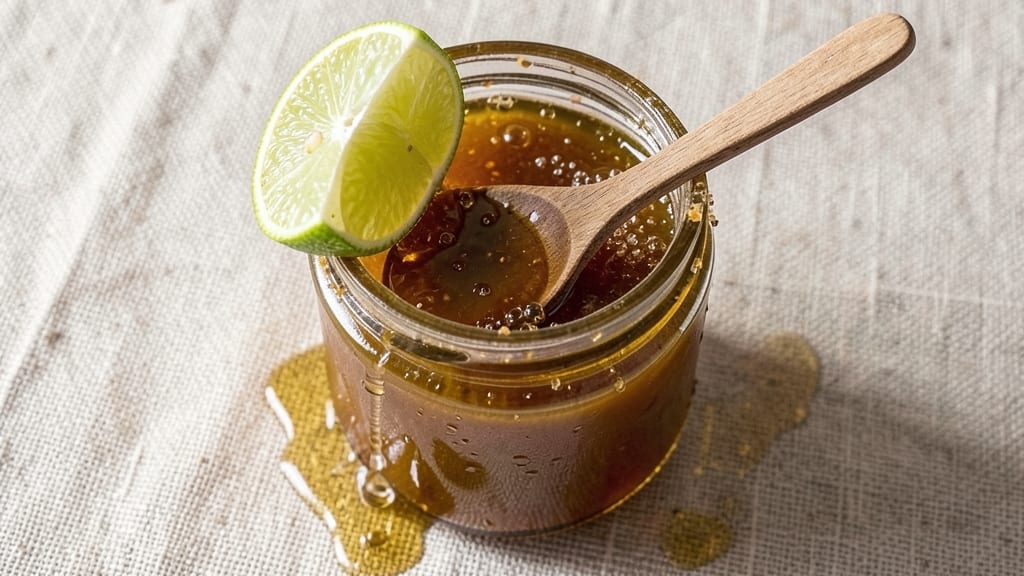
This banh mi salad dressing recipe transforms your greens into a vibrant, tangy masterpiece with just five ingredients and 10 minutes of prep.
The secret lies in balancing smoky fish sauce, bright lime, and a touch of sweetness—creating a dressing that clings to every leaf while amplifying the bold flavors of your salad.
I developed this after years of searching for a dressing that truly captured the essence of Vietnamese street food without overpowering the freshness of the vegetables.
The magic happens when you whisk together fish sauce, lime juice, and a hint of sugar to create a bold, umami-rich base that’s both complex and easy to make.
A splash of water or vinegar ensures the dressing stays emulsified, so it doesn’t separate—even when tossed with hearty ingredients like pickled carrots, cucumbers, or grilled chicken. This dressing isn’t just for salads; it elevates banh mi sandwiches, rice bowls, or even as a marinade for tofu or shrimp.
What makes this recipe stand out is its versatility and longevity—it keeps in the fridge for up to a week, so you can make a big batch and use it all week.
The lime’s acidity brightens the smoky depth of the fish sauce, while the sugar mellows the heat just enough to let the flavors shine. Whether you’re prepping for meal prep or craving a quick lunch, this dressing is your ticket to a restaurant-quality meal in minutes.
Pair it with crisp lettuce, shredded cabbage, and your choice of protein for a banh mi-inspired salad that’s fresh, tangy, and impossible to resist. The dressing’s balance of sweet, sour, and umami ensures every bite is cohesive and satisfying. Ready to elevate your salads? Let’s get started.
Ingredients for banh mi salad dressing
Five ingredients, bold flavors—this dressing delivers restaurant-quality zing in minutes.
| Ingredient | Amount | Notes |
|---|---|---|
| Fish Sauce 🍶 | ½ cup | Red Boat preferred for quality |
| Fresh Lime Juice 🍋 | ⅓ cup | About 3-4 limes, freshly squeezed |
| Granulated Sugar 🍚 | 2 tbsp | Adjust to taste for sweetness |
| Rice Vinegar 🍶 | ¼ cup | White or seasoned variety |
| Water 💧 | ¼ cup | For thinning consistency |
Fish sauce is the heart of this dressing—Red Boat is my go-to because it's clean and authentic, but Three Crabs works too. Look for brands that smell fresh and fishy, not sour or off. The lime juice should be freshly squeezed—bottled juice lacks that bright punch. Sugar balances the umami, so don't skimp here. I usually grab organic cane sugar from the bulk section at Whole Foods or Trader Joe's, but regular granulated works perfectly fine. The rice vinegar adds tang without overpowering the smoky fish sauce—white vinegar works in a pinch, but seasoned vinegar gives a subtle depth.
No fish sauce? Soy sauce plus a pinch of smoked paprika mimics the umami, though it won't be identical. Short on lime? Lemon juice plus extra sugar gets you close, but the citrus flavor will be slightly different. The dressing should coat the back of a spoon but still pour easily—adjust the water to thin it out if needed. For extra smokiness, add a dash of liquid smoke (about 1/4 tsp), but don't overdo it. If you prefer it sweeter, add another tablespoon of sugar, but remember this dressing is meant to complement, not overpower, your salad ingredients.
This dressing keeps beautifully in an airtight jar for up to 1 week in the fridge. The flavors actually meld better after a day or two, so make a batch and enjoy it all week. If it separates, just give it a good whisk before using—it'll come back together. For meal prep, I double the recipe and store it in two small jars. The lime juice might darken the dressing over time, but that just means it's still potent. If you make extra, freeze it in ice cube trays for single-serving portions.
Why You'll Love This Recipe
- Five-Ingredient Magic: I swear by this recipe because it’s the kind of dressing that proves you don’t need a pantry full of fancy stuff. Fish sauce, lime juice, sugar, rice vinegar, and water—that’s it. No overcomplicating, no hunting for obscure spices. Just balance in a jar.
- Tangy Umami Bomb: That first splash of fish sauce into the lime and vinegar? It’s like a flavor explosion. Sweet, salty, bright—it’s the kind of dressing that makes every bite of your salad (or sandwich) taste like a little Vietnamese vacation. Honestly, I’ve tried store-bought versions, and none hit this.
- Works Anywhere: This dressing isn’t just for salads. Drizzle it over grilled chicken, toss it with cold noodles, or even use it as a marinade. I’ve even poured it over steamed veggies when I’m out of ideas. It’s my go-to for anything that needs a quick, punchy upgrade.
- Lasts All Week: Make a big batch—it keeps in the fridge for days without separating or going bad. Between us, I’ve had this dressing clinging to the back of my fridge for nearly a week, and it’s still fresh. Plus, it’s cheap to make, so you’re not breaking the bank for flavor. Win-win.
Step-by-step instructions for banh mi salad dressing
Here's how to mix this vibrant dressing—quick, balanced, and packed with authentic flavor.
Whisk Fish Sauce and Sugar Together
In a medium bowl, combine the 0.5 cup fish sauce with the 2 tablespoons granulated sugar. Stir vigorously with a whisk until the sugar fully dissolves—this takes about 30 seconds. You'll notice the mixture darkens slightly as the sugar integrates, creating a rich umami-sweet foundation.
I like to use a small whisk for this step so I can control the motion. If you see any sugar granules lingering, keep whisking until completely smooth. This ensures even flavor distribution throughout your dressing. The fish sauce should smell intensely salty and funky at this stage—that's exactly what we want.
Add Lime Juice and Rice Vinegar
Next, pour in the 0.33 cup fresh lime juice and 0.25 cup rice vinegar simultaneously while continuing to whisk. The mixture will bubble slightly from the acid reaction, and you'll see it lighten in color. Keep whisking for another 20 seconds until everything is fully combined.
Here's where the magic happens—the tangy lime and sharp vinegar cut through the fish sauce's saltiness, creating that perfect balance. Taste at this point if you're feeling adventurous (I always do). You should notice a strong salty-sour profile with no sweetness lingering—this is your flavor baseline before adding the water.
Thin with Water to Desired Consistency
Gradually add the 0.25 cup water one tablespoon at a time while whisking continuously. Stop when the dressing reaches your preferred consistency—it should coat the back of a spoon but still be pourable. For a classic banh mi salad, aim for a medium-thin consistency that clings lightly to greens and vegetables.
The water helps dilute the intense flavors while maintaining that signature tangy, umami punch. If you prefer a thicker dressing (for drizzling over sandwiches), add slightly less water. Conversely, for a lighter salad dressing, add an extra tablespoon. Remember, you can always thin more later if needed, but you can't thicken it once it's too thin.
Taste and Adjust for Balance
Let the dressing sit for 2-3 minutes to allow all the flavors to meld together. Then taste and adjust using these guidelines: Add more fish sauce if it needs saltiness, more lime juice for acidity, or more sugar if it tastes too sharp. Most people find this recipe spot-on, but everyone's palate differs slightly.
I know it seems counterintuitive to add more fish sauce after tasting—it's already salty—but trust me, the dressing will absorb it better at this stage. The key is to make small adjustments (a teaspoon at a time) and taste between each addition. Your dressing should finish with a perfect harmony of salty, sweet, sour, and umami flavors that complement banh mi perfectly.
Let It Rest Before Using
Transfer the dressing to a clean jar or airtight container and let it rest at room temperature for at least 15 minutes. This resting period allows the flavors to fully develop and marry together. The dressing will actually taste better after resting—don't skip this step if you can wait!
If you're short on time, you can use it immediately, but the flavors will be more vibrant after resting. Store any unused dressing in the refrigerator for up to 1 week. Before using, give it a good stir as the flavors sometimes separate slightly during storage. This dressing works equally well as a salad dressing, sandwich sauce, or dipping sauce for spring rolls.
Pro Tips For Making Banh Mi Salad Dressing
- STIR WHILE YOU ADD: Mix the fish sauce and sugar first—this dissolves the sugar faster and keeps it from clumping like a science experiment gone wrong. I used to dump everything in at once and end up with grainy bits, no matter how much I stirred later.
- USE COLD LIME JUICE: Pull the lime juice from the fridge right before measuring—warm juice makes the dressing taste dull and flat. I learned this the hard way after making a batch with room-temperature limes and wondering why it lacked that bright, tangy punch.
- DILUTE GRADUALLY: Add the water one tablespoon at a time while tasting—this way, you avoid over-diluting and ending up with something watery. I’ve ruined more dressings than I’d like to admit by dumping in all the water first and then realizing it needed more fish sauce to balance it.
- SWEETEN WITHOUT COMPROMISING: Swap half the sugar for honey if you’re using it—it adds depth and cuts the sharpness of the fish sauce without making the dressing cloyingly sweet. Sounds weird, but it works: the dressing tastes more complex, not just like a sugar rush.
Make-ahead tips for this recipe
Meal Prep Master Plan
Make a double batch of this dressing and store it in two 8-ounce glass jars with airtight lids. The extra portion keeps perfectly in the fridge for 5-7 days, making it ideal for weekly meal prep.
I like to label the jars with the date so I can track freshness—trust me, you’ll want to use it all before it disappears! 📅
For even easier prep, divide the dressing into single-serving portions (about 2 tablespoons per serving) and freeze in ice cube trays. Once frozen, transfer the cubes to a ziplock bag and store for up to 3 months.
Thaw overnight in the fridge or use directly from frozen for a quick flavor boost. This method is perfect for busy mornings when you need dressing in a flash.
Flavor Development Timeline
The dressing tastes best after 24 hours of resting in the fridge, as the flavors meld together beautifully. I recommend making it the night before your salad night to let the lime’s acidity brighten and the fish sauce’s umami deepen.
If you’re short on time, let it sit at room temperature for at least 15 minutes before using—this small step makes a noticeable difference. 💡
If you’re prepping for a banh mi salad bar (like for a party or potluck), make the dressing 2 days ahead and store it in a large, sealed container.
The longer rest time enhances the complexity, making it even more vibrant when tossed with fresh ingredients. Just give it a good shake before serving to re-emulsify any separated layers.
Storage Hacks
To prevent separation, store the dressing in a glass jar rather than plastic—glass preserves the flavors better and won’t absorb any odors from your fridge. If you notice separation after storing, simply whisk vigorously for 30 seconds before using.
The dressing will come back together smoothly, ready to elevate your meal. ❄️
For long-term storage, divide the dressing into smaller containers (like 4-ounce jars) to minimize air exposure. This keeps it fresh longer and makes it easier to grab just what you need.
If you’re worried about the lime juice oxidizing, add a pinch of salt to the jar before sealing—this helps preserve the brightness of the flavor for days.
Freezing for Later Use
If you’re not planning to use the dressing within a week, freeze it immediately after making. Portion it into 1-tablespoon servings (perfect for individual salads) and freeze in a flat container for easy stacking.
When ready to use, thaw in the fridge overnight—never microwave it, as the heat can dull the flavors. 🥶
Pro tip: If the dressing thickens slightly after freezing, add 1 teaspoon of water per tablespoon of dressing to restore its pourable consistency. This trick works like magic and ensures your salad stays perfectly dressed, even after a long freeze.
Nutrition facts
Frequently asked questions
Can I make this dressing without fish sauce?
Yes! For a vegetarian version, substitute the fish sauce with 3 tablespoons soy sauce plus ½ teaspoon smoked paprika to mimic the umami depth. The dressing will have a slightly different profile but still deliver that signature tangy-sweet balance. For extra authenticity, add 1 teaspoon mushroom powder to enhance the savory notes.
How do I adjust the spice level?
This recipe keeps it mild, but for heat lovers, add ½ teaspoon sriracha or chili flakes while whisking. Start with a pinch and taste—you can always add more, but you can't remove spice once it's in. For a smoky kick without heat, swap ¼ teaspoon liquid smoke> for the smoked paprika in the fish sauce substitute.
Will this dressing work for sandwiches too?
This dressing doubles as a perfect banh mi sandwich sauce. For best results, thin it slightly with 1 extra tablespoon of water> to make it more pourable. Brush it on warm baguette slices or drizzle over the fillings before assembling. The tangy-sweet balance cuts through rich ingredients like pâté or grilled meats beautifully.
Why did my dressing separate?
Separation happens when the emulsifiers (like lime juice and vinegar) break down, often from temperature changes or storage. Simply whisk vigorously for 30-60 seconds> to re-emulsify. For prevention, store in a glass jar> and keep it refrigerated. If it keeps separating, add 1 teaspoon of cornstarch or honey> to stabilize the mixture.
Can I use this dressing on other proteins?
Yes! This dressing works wonderfully as a marinade for grilled shrimp, tofu, or chicken>. Let the protein marinate for 15-30 minutes> before cooking to infuse the flavors. For tofu, press it first to remove excess water. The dressing's acidity helps tenderize while adding that signature Vietnamese-inspired zing.