
Salads
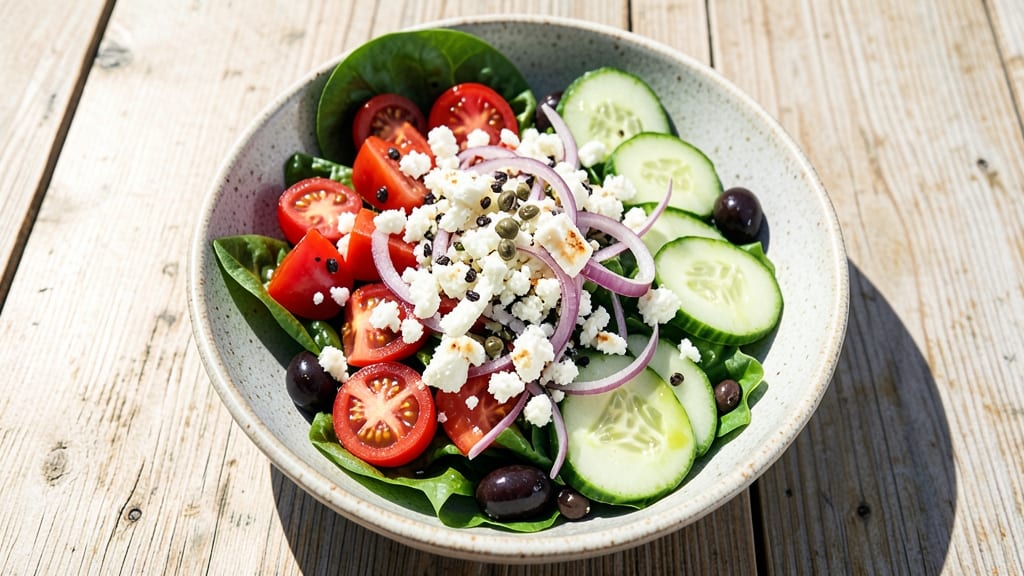
Barefoot Contessa's Greek salad delivers the crispy, vibrant flavors of a Mediterranean summer in every bite. This iconic recipe transforms simple ingredients—juicy tomatoes, cool cucumbers, briny olives, and crumbly feta—into a dish that feels both rustic and refined.
The secret lies in proper preparation: chilling the vegetables for maximum crispness and balancing bold flavors with a bright lemon-olive oil dressing.
What sets this salad apart is its attention to texture—firm, chilled cucumbers cut into crisp cubes, tomatoes sliced just before serving to maintain their juiciness, and feta that's torn by hand for irregular, satisfying bites.
The dressing, a simple blend of olive oil, lemon juice, and oregano, enhances rather than overpowers the fresh ingredients. This is the kind of salad that tastes like a vacation, yet comes together in minutes.
Each component plays a crucial role: the acidity of red onion cuts through the richness of the feta, while capers add a briny punch that keeps every bite interesting.
The result is a dish that's as beautiful on the plate as it is delicious in your mouth—perfect for summer gatherings, picnic lunches, or a light yet satisfying dinner. The best part?
It's a recipe you'll make again and again, each time feeling like you've recreated a taste of the Mediterranean.
For those who want to modernize the classic, consider adding avocado for creaminess or grilled chicken for extra protein. The foundation remains the same: fresh, crisp, and full of Mediterranean charm. Let's build this salad step by step—it's easier than you think, and the results are unforgettable.
Ingredients for barefoot contessa greek salad
Juicy tomatoes, crisp cucumbers, and briny olives create this iconic Mediterranean masterpiece.
| Ingredient | Amount | Notes |
|---|---|---|
| Ripe Tomatoes 🍅 | 2 lb | Heirloom or beefsteak preferred, chilled |
| English Cucumbers 🥒 | 2 whole | Seedless, peeled if preferred |
| Red Onion 🧅 | 1 whole | Thinly sliced for sharp bite |
| Kalamata Olives 🫒 | ½ cup | Pitted, brined not oil-cured |
| Crumbled Feta Cheese 🧀 | 8 oz | High-quality, aged feta |
| Capers 🫒 | 2 tbsp | Nonpareils preferred for texture |
| Fresh Oregano 🌿 | ¼ cup | Leaves only, finely chopped |
| Extra-Virgin Olive Oil 🫒 | ½ cup | Fruity, peppery variety |
| Fresh Lemon Juice 🍋 | 3 tbsp | From 1 medium lemon |
| Diamond Crystal Kosher Salt 🧂 | 1 tsp | For seasoning and dressing |
| Freshly Ground Black Pepper 🌶️ | ½ tsp | Freshly cracked for best flavor |
| Red Wine Vinegar 🍷 | 1 tbsp | For dressing balance |
The tomatoes and cucumbers are the stars here—look for heirloom varieties with vibrant color and firm texture at your local farmers market. English cucumbers hold their shape better than Persian types. For the feta, Whole Foods or specialty cheese shops carry the best aged varieties—avoid pre-crumbled feta, which often contains anti-caking agents that make it grainy. Kalamata olives should be plump and dark purple, not shriveled or pale. If you can't find nonpareil capers, regular capers work, but they're slightly larger and may need chopping. The oregano should be fresh and fragrant—if it smells like dust, it's past its prime.
No heirloom tomatoes? Beefsteak or Roma varieties work beautifully. Swap English cucumbers for Persian if that's what's available, but peel them first. For a tangier dressing, add an extra tablespoon of red wine vinegar. If you're avoiding feta, vegan feta or goat cheese can substitute, though the flavor will differ slightly. The dressing can be made ahead and stored in the fridge for up to 3 days, but the vegetables should be prepped just before serving to maintain crispness. For extra crunch, add a handful of crispy fried shallots from an Asian market.
This salad shines when served immediately after assembly—30 minutes in the fridge is ideal for letting flavors meld without losing crispness. Store components separately if prepping ahead: keep the dressing in a sealed jar with the vegetables in airtight containers. The feta will keep for up to 2 weeks in the fridge, while the dressing lasts 5 days. For a restaurant-quality touch, serve on a large platter with extra olives and capers scattered on top. The salad also makes a stunning side for grilled meats or seafood, balancing rich flavors with its bright acidity.
Why You'll Love This Recipe
- No-Cook Magic: I swear by this one—just chop, toss, and go. No oven, no fuss, and honestly? The crunch of those English cucumbers and tomatoes while the feta melts into the lemon dressing is chef’s kiss without the effort.
- Barefoot Boldness: That tangy lemon-oregano dressing cuts through the rich feta and briny olives like a dream. Between us, the first bite makes you wonder why you ever bought pre-made salads—this tastes fresh, not sad.
- Party in a Bowl: Serve it as a side for grilled chicken or lamb, pile it high on a platter for summer picnics, or—my favorite—let the kids dig in while you pretend to supervise. (Yes, even on a Tuesday night.)
- Fridge Hero: Make a big batch on Sunday and it’ll still taste amazing by Thursday. The tomatoes get sweeter, the feta stays creamy, and the olives? They just get more addictive. Budget-friendly, too—this feeds four for the price of one sad takeout order.
Step-by-step instructions for barefoot contessa's Greek salad
Here's how to assemble this iconic salad with perfectly crisp vegetables and balanced flavors.
Prepare the Vegetables for Maximum Crispness
Begin by chilling the 2 lb ripe tomatoes and 2 whole English cucumbers in the refrigerator for at least 30 minutes before prepping. Cold vegetables hold their shape better and yield cleaner cuts. Cut the tomatoes into 1-inch chunks, leaving the skins on for texture. For the cucumbers, peel them if desired, then slice into ¼-inch thick rounds—this thickness ensures they stay crisp without becoming soggy.
Thinly slice the 1 whole red onion into ⅛-inch thick rings, then immediately soak in ice water for 10 minutes to mellow their sharpness. Drain well before using. This prepping sequence prevents the onions from releasing too much moisture, which could soften the other vegetables prematurely. Work quickly but methodically—you want all components ready simultaneously for even assembly.
Assemble the Core Components
In a large mixing bowl, combine the prepared tomatoes, cucumbers, and drained onion slices. Gently toss them together just enough to distribute evenly. Avoid overmixing at this stage—you want to preserve the individual textures of each vegetable. Add the 0.5 cup Kalamata olives and 2 tbsp capers to the bowl, distributing them evenly throughout the mixture. These briny elements will balance the freshness of the vegetables as they sit.
Sprinkle the 8 oz crumbled feta cheese evenly over the vegetable mixture. I recommend using your hands for this—it helps distribute the feta more evenly and creates those signature feta "islands" throughout the salad. The feta should be crumbled into ¼-inch pieces to ensure each bite contains its salty, tangy essence. Set the bowl aside while you prepare the dressing.
Create the Signature Dressing
In a small bowl, whisk together the 0.5 cup extra-virgin olive oil, 3 tbsp fresh lemon juice, 1 tbsp red wine vinegar, 1 tsp diamond crystal kosher salt, and 0.5 tsp freshly ground black pepper. The acidity from the lemon and vinegar will brighten the salad, while the olive oil provides a luxurious finish. Whisk for at least 30 seconds to fully emulsify the ingredients—this creates a cohesive dressing rather than separate oil and vinegar layers.
Stir in the 0.25 cup finely chopped fresh oregano until evenly distributed. The oregano should be finely minced to prevent any large herb pieces from overwhelming the salad. Taste the dressing before adding it to the vegetables—it should be tangy but not overly acidic, with a subtle herbal note from the oregano. Adjust the seasoning if needed, but remember the feta will add additional saltiness when combined.
Combine and Rest for Optimal Texture
Pour the dressing over the vegetable mixture and gently toss everything together just until the vegetables are evenly coated. Be careful not to overmix—you want the tomatoes and cucumbers to maintain their individual integrity while still being lightly dressed. The salad should look vibrant with pockets of feta peeking through the vegetables. Transfer the salad to a serving platter or individual plates immediately after tossing.
Let the salad rest for 10-15 minutes before serving. This brief resting period allows the flavors to meld together and the vegetables to absorb just enough dressing to enhance their natural sweetness without becoming soggy. The tomatoes should remain firm with just a slight softening at the edges, while the cucumbers should stay crisp and refreshing. Serve immediately while the vegetables are at their peak texture.
Pro Tips For Making Barefoot Contessa Greek Salad
- CHILL THE CUCUMBERS FIRST: I learned this the hard way—slicing ice-cold English cucumbers straight from the fridge makes them waterlogged and soggy. Pop them in a bowl of ice water for 10 minutes first, then pat very dry with paper towels. Trust me, your salad will stay crisp instead of turning into a sad, wilted mess.
- SALT THE TOMATOES: Sprinkle sliced tomatoes with a pinch of flaky salt right after cutting and let them sit for 5 minutes. This draws out excess moisture so they don’t dilute the dressing later. (Yes, even if you’re impatient like me.)
- DON’T SKIP THE ONION SOAK: Thinly slice the red onion and toss it with 1 tablespoon of the dressing for 10 minutes before assembling. This softens the bite and prevents that harsh, raw onion flavor that ruins the balance. I used to skip this—now I don’t.
- UPGRADE WITH WARM FETA: If you’re feeling fancy, microwave the feta for 10 seconds to take the chill off before crumbling it over the salad. The warmth makes it melt slightly into the dressing, adding depth. (Does it look weird? Yes. Does it work? Every single time.)
Serving suggestions for this barefoot contessa greek salad
Plating Like a Pro
Serve the salad on a large wooden board or white ceramic platter to highlight its vibrant colors. I love using a rectangular platter (about 12x18 inches) that lets all components shine.
Arrange the salad in a loose mound in the center, then scatter extra Kalamata olives and capers around the edges for visual appeal. The contrast of white feta against the dark olives creates a stunning look. 🌟
Portioning for Parties
For gatherings, divide the salad into individual bowls (about 1.5 cups per serving) and garnish each with a sprig of fresh oregano and a drizzle of extra-virgin olive oil. This keeps the salad fresh and prevents sogginess.
If serving with grilled meats, place the salad on the side of the plate to balance rich flavors. For a restaurant-style touch, add crispy fried shallots on top just before serving. ✨
Pairing with Proteins
This salad pairs beautifully with grilled chicken breast (marinated in lemon and oregano) or seared shrimp. The acidity of the dressing cuts through rich proteins perfectly. For a vegetarian spread, serve with warm pita bread or grilled halloumi.
I often make a double batch—one for immediate serving and one for meal prep with grilled chicken added later. 🍗
Garnish Game-Changers
Add toasted pine nuts (about 2 tbsp) for crunch or crumbled za'atar for an earthy Middle Eastern twist. A drizzle of chili oil (½ tsp) adds subtle heat.
For a floral touch, scatter edible violets or basil leaves on top. These garnishes elevate the dish without overpowering the classic flavors. 🌿
Serving Temperature
Serve the salad chilled (about 45-50°F) for the best texture contrast. If prepping ahead, store components separately in the fridge and assemble just before serving. The vegetables stay crispest when not marinated too long.
For a warm-weather twist, serve with iced Greek coffee or a crisp white wine like Assyrtiko from Santorini. 🍷
Leftovers Strategy
Store leftovers in an airtight container for up to 2 days, keeping dressing separate. Re-toss with a splash of fresh lemon juice before serving. For a quick lunch, serve over warm crusty bread with a side of hummus.
The salad holds up well when reheated gently (no microwave!)—just toss with a little olive oil and lemon juice to revive. 💡
Nutrition facts
Frequently asked questions
Can I use regular cucumbers instead of English cucumbers?
Yes, but you'll need to peel them first to remove the seeds and tough skin. English cucumbers stay crisp and seedless when sliced, while regular cucumbers can become watery. For best results, slice them ¼-inch thick and pat dry with a paper towel before adding to the salad. This helps maintain that perfect crunch!
How do I keep the tomatoes from getting soggy?
Slice the tomatoes just before serving and avoid overmixing the salad. The key is to let them sit for only 10-15 minutes after tossing with dressing. For extra crispness, chill the tomatoes for 30 minutes before cutting and pat them dry with a paper towel. This removes excess moisture and keeps them firm longer.
What's the best way to crumble feta for this salad?
Use your hands to break the feta into ¼-inch chunks for irregular, satisfying bites. Avoid pre-shredded feta—it often contains anti-caking agents that make it grainy. For extra flavor, choose aged feta (like from Greece) and let it sit at room temperature for 10 minutes before crumbling to enhance its tangy aroma.
Can I make this salad ahead of time?
Yes, but store the components separately. Keep the vegetables in an airtight container in the fridge for up to 2 days and prepare the dressing separately. Toss everything together just before serving to maintain crispness. If you want to add protein, grill the chicken or shrimp separately and combine with the salad when ready to eat.
What's the secret to the perfect dressing?
The dressing should be light and emulsified, not too thick. Whisk the olive oil, lemon juice, and vinegar for at least 30 seconds to combine properly. Taste before adding to the salad—it should be tangy but not overpowering. The feta will add saltiness, so adjust the salt in the dressing accordingly. For extra depth, add a pinch of dried oregano to the dressing while whisking.