
Salads
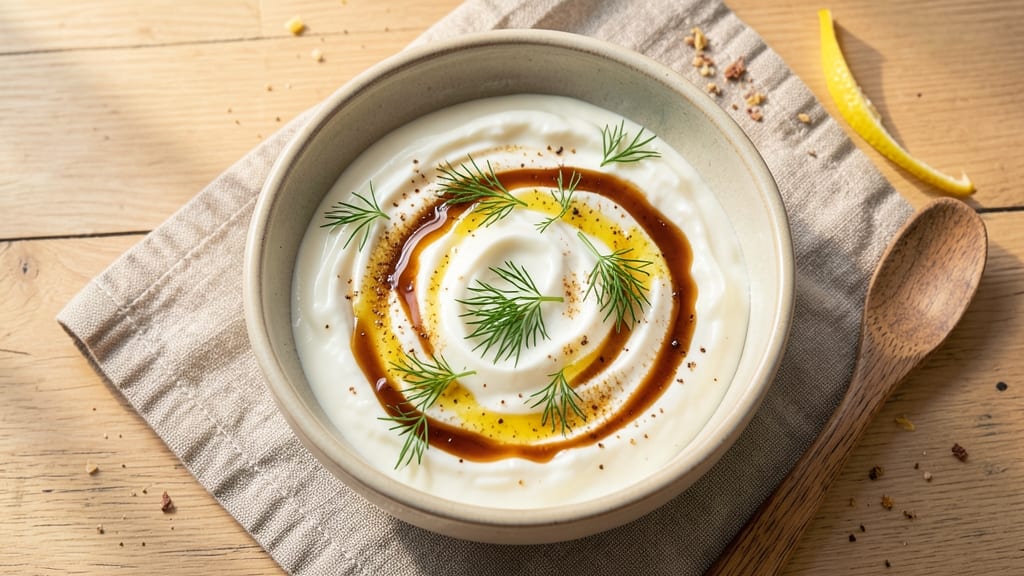
This bariatric-friendly salad dressing delivers vibrant flavor without the calories or digestive discomfort that often comes with traditional creamy dressings.
Designed specifically for post-op nutrition, it uses zero mayo and relies on tangy vinegar, fresh citrus, and a touch of Greek yogurt for creaminess—all while keeping fat content under 1 gram per serving.
The secret lies in balancing acidity with herbs and spices, creating a dressing that coats greens without weighing you down.
The recipe comes together in just 5 minutes with pantry staples you likely already have, making it perfect for meal prep. Unlike heavy dressings that can trigger reflux or slow digestion, this version uses apple cider vinegar for acidity and unsweetened Greek yogurt for texture—both safe choices for bariatric patients.
The dressing also holds up well in the fridge for up to 5 days, so you can make a batch and enjoy it throughout the week.
What makes this dressing truly special is its versatility—it works equally well on mixed greens, grilled chicken salads, or even as a marinade for proteins. The bright, zesty flavor comes from lemon juice and Dijon mustard, while fresh dill and garlic powder add depth without overpowering.
Each serving delivers only 25 calories and 0 grams of fat, making it a guilt-free way to keep your meals exciting and nutritious.
For those new to bariatric eating, this dressing is a game-changer—it proves you don’t have to sacrifice taste for health. Pair it with high-protein salads like grilled shrimp or roasted vegetables to create a balanced, satisfying meal that supports your dietary needs.
Ready to elevate your salads without the calories? Let’s get started.
Ingredients for bariatric salad dressing
Nine simple ingredients transform into a bariatric-friendly dressing that’s light yet flavorful.
| Ingredient | Amount | Notes |
|---|---|---|
| Unsweetened Greek Yogurt 🧀 | ¼ cup | Plain, full-fat for creaminess |
| Apple Cider Vinegar 🍏 | ¼ cup | Raw, unfiltered preferred |
| Fresh Lemon Juice 🍋 | ¼ cup | Freshly squeezed, no pulp |
| Dijon Mustard 🌶️ | 1 tbsp | High-quality, no additives |
| Fresh Dill 🌿 | ¼ cup | Finely chopped, stems removed |
| Garlic Powder 🧄 | ½ tsp | Freshly ground preferred |
| Onion Powder 🧅 | ¼ tsp | No added salt |
| Diamond Crystal Kosher Salt 🧂 | ¼ tsp | Fine grain for balance |
| Fresh Ground Black Pepper 🌶️ | ¼ tsp | Freshly cracked preferred |
| Extra-Virgin Olive Oil 🫒 | 1 tbsp | Light, fruity variety |
The Greek yogurt is the base—full-fat for creaminess without excess calories. I grab Fage 2% from the store, but any plain, unsweetened Greek yogurt works. The apple cider vinegar should be raw and unfiltered for that tangy punch—Bragg is my go-to, but any organic brand is fine. Fresh lemon juice is non-negotiable; bottled just won’t cut it. For the mustard, Maille is my favorite, but any high-quality Dijon will do. The fresh dill adds brightness, so don’t skip it—Trader Joe’s sells great bunches at a good price.
No Greek yogurt? Unsweetened almond milk yogurt works in a pinch, though the texture will be lighter. Short on fresh dill? Dried dill at one-third the amount gets you close, but it won’t have the same pop. The garlic and onion powders can be swapped for fresh minced garlic and onion if you’re feeling fancy, but the powders are more bariatric-friendly—they’re easier to digest and don’t add bulk. The olive oil is the only fatty ingredient, so measure it precisely—just 1 tablespoon keeps the fat content minimal while adding richness.
This dressing keeps beautifully in the fridge for up to 5 days, sealed in an airtight jar. Shake well before each use—it separates a bit, but that’s normal. For meal prep, I make a double batch and portion it into small containers. It’s perfect for drizzling on salads, marinating grilled chicken, or even tossing with roasted veggies. If you’re new to bariatric eating, start with small portions—this dressing is so flavorful, a little goes a long way.
Why You'll Love This Recipe
- No-Fuss Whisking: I keep a jar of this in my fridge because it takes three minutes—just stir the yogurt, vinegar, lemon, and mustard until the dill gets choppy. No blender, no straining, no mess. Honestly? The only thing I measure is the vinegar, and even that’s flexible.
- Tangy-Creamy Magic: That first bite of yogurt’s cool thickness with the vinegar’s sharp kick? It’s like a hug for your taste buds. The Dijon mustard adds a sneaky depth, and fresh dill—even a handful—transforms it from "dressing" to "I’ll have seconds, please."
- Meal Prep MVP: This keeps for five days in the fridge, so I make a big batch on Sundays. Drizzle it over grilled chicken, roasted veggies, or even as a tzatziki swap. (Yes, even on a Tuesday night when takeout feels like work.)
- Budget Win: Greek yogurt and vinegar are cheap staples, and I buy dill in bunches—it lasts longer than you’d think if you store it right. No fancy ingredients, just smart swaps that make salads feel special without breaking the bank. My wallet and waistline agree.
Step-by-step instructions for bariatric-friendly salad dressing
This creamy yet light dressing delivers bold flavor without the calories—perfect for bariatric-friendly meals.
Whisk Together the Base Ingredients
In a medium bowl, combine the 0.25 cup unsweetened Greek yogurt, 0.25 cup apple cider vinegar, and 0.25 cup fresh lemon juice. The yogurt provides a tangy creaminess without the heaviness of traditional dressings, while the vinegar and lemon juice brighten the flavors and balance the richness. Use a whisk to blend until smooth—you should see a uniform, slightly thick mixture with no lumps.
Here's the thing—this combination creates a naturally emulsified dressing that won't separate, even when stored. The acidity from the vinegar and lemon helps stabilize the yogurt, so you won’t need to shake the bottle before each use. If you notice any separation after mixing, simply whisk again before serving.
Add the Mustard and Herbs for Depth
Next, stir in the 1 tbsp Dijon mustard, 0.25 cup finely chopped fresh dill, 0.5 tsp garlic powder, and 0.25 tsp onion powder. The Dijon mustard acts as a natural emulsifier, binding the dressing together and adding a subtle tang. The fresh dill brings a bright, herbal note that cuts through the richness of the yogurt, while the garlic and onion powders add savory depth without overpowering the dish.
I like to press the dill leaves between my fingers to release their oils before adding them to the bowl—this ensures maximum flavor infusion. The mustard should dissolve completely into the mixture, creating a silky texture. If you prefer a smoother texture, you can strain the dressing through a fine-mesh sieve after this step to remove any herb stems or mustard seeds.
Season with Salt, Pepper, and Olive Oil
Finally, season the dressing with 0.25 tsp Diamond Crystal kosher salt, 0.25 tsp freshly ground black pepper, and the 1 tbsp extra-virgin olive oil. The salt enhances all the flavors, while the pepper adds a gentle heat. The olive oil, though used sparingly, rounds out the dressing and adds a touch of richness that makes it feel indulgent without being heavy.
Taste the dressing as you go—this is where you can adjust the seasoning to your preference. If it needs more acidity, add a splash of lemon juice. If it feels too thick, thin it with 1-2 teaspoons of water or more lemon juice. The dressing should coat the back of a spoon but still pour easily. Store any leftovers in an airtight container in the refrigerator for up to 5 days—it keeps beautifully!
Rest and Emulsify for Perfect Texture
Let the dressing sit at room temperature for 10-15 minutes before using it. This resting time allows the flavors to meld and the ingredients to fully emulsify, resulting in a smooth, cohesive dressing that won’t clump or separate on your salad. Give it a quick stir before serving to ensure everything is well combined.
This dressing is incredibly versatile—drizzle it over fresh greens, grilled chicken, or roasted vegetables for a light yet flavorful touch. The balance of tangy, herby, and savory notes makes it a standout in any bariatric-friendly meal plan. Plus, with only 1 tablespoon of olive oil in the entire recipe, it’s a guilt-free way to add richness to your dishes.
Pro Tips For Making Bariatric Salad Dressing
- STRAIN THE YOGURT: Thick, clumpy Greek yogurt makes dressing look unappetizing. Run it through a fine-mesh sieve or cheesecloth before mixing—it’s worth the extra 30 seconds to avoid that grainy texture in every bite. (I learned this after serving a salad where the dressing looked like it had sand in it.)
- SALT THE MUSTARD: Skip the pre-salted Dijon, or you’ll end up with a dressing that tastes flat. Use unsalted mustard and add ¼ teaspoon salt directly to the bowl—this balances the tang without overpowering. (Yes, even if the label says “ready to use.”)
- CHILL THE BASE FIRST: Mixing cold yogurt with room-temperature vinegar and lemon makes the dressing separate faster. Pop the yogurt in the fridge for 10 minutes before combining—it stays emulsified longer. (I used to ignore this, and my dressing would split by lunchtime.)
- PULSE THE DILL: Chopping dill finely by hand is tedious, but a quick pulse in a food processor (3-4 seconds) gives you that herby brightness without muddying the flavor. Just don’t overdo it—you want flecks, not paste. (Your knife will thank you.)
Wine and beer pairings for bariatric salad dressing
Light White Wine Pairings
For this bright, zesty dressing, I reach for crisp white wines that mirror its acidity and herbal notes. A chilled Sauvignon Blanc from New Zealand or Loire Valley works beautifully—its citrus and grassy undertones complement the lemon and dill perfectly.
Look for a wine with 12-13% ABV and medium acidity to balance the dressing's tang. I love Cloudy Bay Sauvignon Blanc for its vibrant finish that won’t overpower the salad. 🍷
Crisp Lager Complements
If you prefer beer, a Belgian witbier like Hoegaarden or Stella Artois brings a refreshing contrast with its coriander and citrus notes. The effervescence cleanses your palate between bites of the herby dressing.
For a lighter option, try a German Helles—its subtle malt sweetness pairs surprisingly well with the vinegar’s sharpness. Serve both the wine and beer well-chilled to enhance the dressing’s brightness.
Sparkling Options
Prosecco or dry sparkling wine adds a festive touch while cutting through the dressing’s richness. The bubbles create a refreshing contrast, making each bite feel lighter. I recommend La Marca Prosecco for its crisp acidity and affordable price.
For a non-alcoholic option, San Pellegrino Aranciata (blood orange soda) mimics the citrus notes without the alcohol. 🥂
Red Wine for Bold Palates
If you love red wine, opt for a light Pinot Noir with 12-13% ABV and bright acidity, like Meiomi Pinot Noir. The wine’s red fruit notes harmonize with the dressing’s garlic and onion powders, while its acidity prevents the dressing from feeling too heavy.
Avoid bold reds like Cabernet Sauvignon—they’ll clash with the dressing’s tangy profile.
Non-Alcoholic Alternatives
For those avoiding alcohol, sparkling water with a splash of lime is my go-to. Add a pinch of salt and ice to mimic the dressing’s savory depth. For a more flavorful option, try Fever-Tree Ginger Beer—its spicy kick complements the dressing’s herby notes.
Both options keep the meal light and refreshing while enhancing the dressing’s flavors. ✨
Nutrition facts
Frequently asked questions
Can I use this dressing on other foods besides salads? This dressing works beautifully as a marinade for grilled chicken or fish, adding flavor without excess calories. It also pairs well with roasted vegetables like zucchini or asparagus, or even as a dip for baked sweet potato fries. Just
Why does your recipe use Greek yogurt instead of mayo?
Greek yogurt provides creaminess without the high fat content of mayo, making it perfect for bariatric diets. Traditional mayo contains 7-8 grams of fat per tablespoon, while this recipe keeps fat under 1 gram per serving. Plus, the yogurt's protein helps stabilize digestion, which is crucial post-surgery.
How do I adjust this for a dairy-free diet?
Swap the Greek yogurt for unsweetened almond milk yogurt or silken tofu blended with lemon juice. For extra tang, add 1 extra tablespoon of apple cider vinegar. The texture will be slightly lighter, but the flavor remains bright. Always check labels for hidden sugars in dairy-free alternatives.
Will this dressing cause dumping syndrome?
No, this recipe is designed to be low in simple sugars and high in protein, which helps prevent dumping syndrome. The vinegar and lemon juice provide acidity without triggering rapid digestion. However, always introduce new foods gradually and monitor your body's response, especially if you're in the early stages post-surgery.
Can I make this dressing sugar-free?
Yes, all ingredients in this recipe are naturally sugar-free! The only sweetness comes from natural sources like fresh lemon juice. For extra sweetness (if needed), you could add a few drops of stevia, but it's completely optional. This dressing's flavor comes from acidity and herbs, not sugar.