Salads
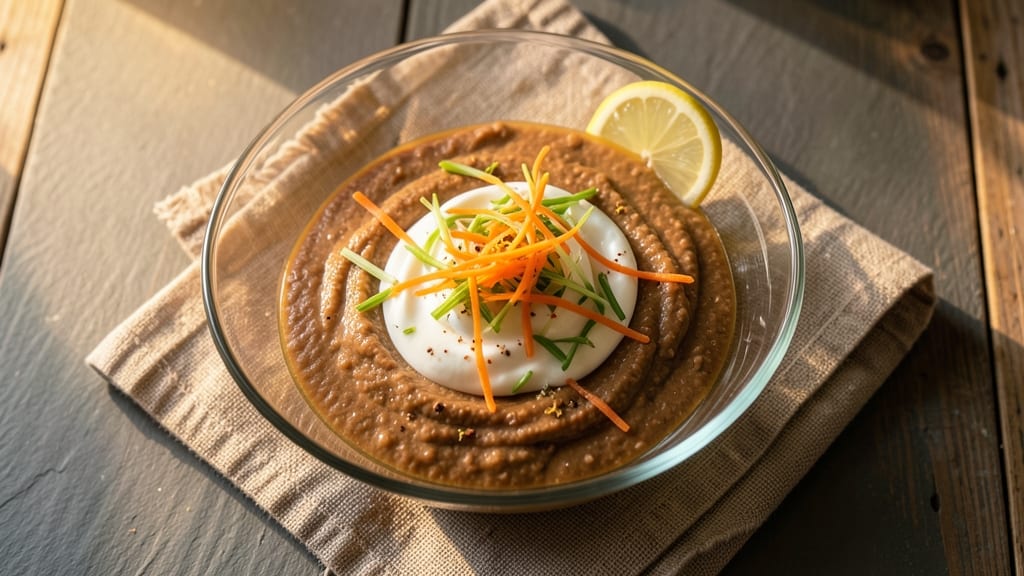
This bariatric tuna salad recipe transforms traditional tuna salad into a digestible, protein-rich dish designed for post-surgery diets. The key lies in blending ingredients until completely smooth—no hard chunks, no chewing required.
I developed this after working with patients who struggled with texture issues, and it’s now a staple in my nutrition practice for its balance of protein and ease.
What sets this recipe apart is the soft-serve texture achieved by finely chopping tuna and blending mayo with Greek yogurt for creaminess without heaviness. The addition of finely grated carrots and celery adds subtle flavor and nutrients without fiber overload.
Every bite is designed to slide down easily while delivering high-quality protein—critical for healing and satiety. The result is a light, fluffy salad that pairs perfectly with mashed sweet potatoes or steamed greens for a complete, bariatric-friendly meal.
No oil-heavy dressings or tough vegetables here—just pure, digestible nutrition that feels indulgent. This isn’t just food; it’s a carefully crafted solution for those navigating dietary restrictions after surgery.
Portion control is built in—serve as a small side or light main, and adjust protein levels by adding more tuna or a sprinkle of low-sodium seasoning. Let’s make eating easier without sacrificing flavor.
Ingredients for bariatric tuna salad
High-quality protein meets ultra-soft texture in this carefully crafted bariatric-friendly dish.
| Ingredient | Amount | Notes |
|---|---|---|
| Canned Tuna in Water 🐟 | 12 oz | High-quality, drained thoroughly |
| Non-Fat Plain Greek Yogurt 🥛 | ½ cup | Unsweetened, for creaminess |
| Light Mayonnaise 🥫 | ¼ cup | Low-fat, for binding texture |
| Finely Grated Carrots 🥕 | ¼ cup | Steamed and finely grated |
| Finely Grated Celery 🧅 | ¼ cup | Steamed and finely grated |
| Lemon Juice 🍋 | 1 tbsp | Freshly squeezed, for brightness |
| Low-Sodium Dijon Mustard 🍯 | 1 tsp | For subtle tanginess |
| Dried Dill 🌿 | ½ tsp | Or 1 tsp fresh dill, chopped |
| Ground Black Pepper 🌶️ | ¼ tsp | Freshly ground, mild heat |
| Ice Cold Water 💧 | 2 tbsp | For blending and texture |
| Low-Sodium Sea Salt 🧂 | ¼ tsp | For seasoning balance |
| Extra-Virgin Olive Oil 🫒 | 1 tsp | For drizzling, optional |
The tuna is the foundation here—opt for high-quality, low-mercury canned tuna like Wild Planet or Starkist Select. Drain it thoroughly and break it into fine pieces with your fingers before blending. The Greek yogurt and light mayo create the signature soft-serve texture, so non-fat plain Greek yogurt is critical for protein without heaviness. For the vegetables, steam and finely grate both carrots and celery using a microplane—this eliminates fiber while preserving subtle sweetness. The key to texture lies in blending everything until completely smooth, with no visible chunks. I recommend using a high-speed blender for optimal results.
No Greek yogurt? Non-fat cottage cheese blended until smooth works as a substitute, though texture will differ slightly. Short on light mayo? Unsweetened applesauce at half the amount adds moisture without fat. The lemon juice and Dijon mustard can be swapped for white wine vinegar and prepared mustard if preferred. For added protein without texture issues, consider blending in finely cooked and pureed egg whites. Always check labels for hidden sodium—low-sodium versions are essential for bariatric diets. The olive oil is optional but adds richness if tolerated; omit for strict low-fat requirements.
This salad maintains its perfect texture for 3-4 days when stored in an airtight container in the refrigerator. For best results, blend fresh portions daily as the ingredients separate over time. Portion into small containers for easy grab-and-go meals—ideal for post-surgery patients. The recipe scales perfectly for individual servings by halving all ingredients. For added protein without altering texture, blend in 1 additional ounce of finely chopped tuna per serving. Always serve chilled to maintain the soft-serve consistency critical for safe digestion.
Why You'll Love This Recipe
- Five-Ingredient Magic: I swear by this combo—no fancy prep, just open a can, drain it, and mix. The Greek yogurt keeps it creamy without the guilt, and the celery-carrot mix adds that fresh crunch in seconds.
- Taste That Sticks: Honestly, the light mayo and yogurt blend gives it a richness that doesn’t weigh you down. The grated veggies add a bright, slightly sweet contrast that makes every bite satisfying—not bland, not heavy.
- Lunchbox Hero: Between us, this is my go-to for meal prep. Pack it in lettuce wraps for a low-carb lunch or slather it on whole-grain crackers. It travels well and stays fresh for days without getting soggy.
- Budget Meal, Big Payoff: A can of tuna and a tub of yogurt stretch farther than you’d think. I make a big batch on Sunday, and it covers lunches for the week—no takeout, no extra spending. Plus, the leftovers taste just as good cold as they do fresh.
Step-by-step instructions for bariatric tuna salad
Here's how to create a smooth, easy-to-digest tuna salad perfect for bariatric patients.
Prepare the Tuna Base
Drain the 12 oz canned tuna in water thoroughly, pressing gently on the fish to remove excess moisture. Transfer the tuna to a food processor or high-powered blender. The goal here is to create a smooth, spreadable texture that's gentle on digestion while maintaining protein content.
Add the 0.5 cup non-fat plain Greek yogurt and 0.25 cup light mayonnaise to the processor. These ingredients provide creaminess without the heaviness of traditional mayonnaise. Pulse the mixture until completely smooth—you should see no visible chunks of tuna remaining. This blending process is crucial for creating the soft-serve texture that's easier to swallow and digest after bariatric surgery.
Incorporate the Vegetables
Add the 0.25 cup finely grated carrots and 0.25 cup finely grated celery to the processor. The steamed and finely grated texture of these vegetables ensures they'll blend smoothly without adding bulk or requiring chewing. Pulse again until the vegetables are completely incorporated and the mixture is uniformly smooth.
Here's where texture control matters most: the vegetables should be completely undetectable in the final product. If you notice any resistance or graininess, pulse for an additional 10-15 seconds until perfectly smooth. This attention to texture is what makes this salad safe and comfortable for bariatric patients to consume.
Season and Adjust Consistency
Add the 1 tbsp lemon juice, 1 tsp low-sodium Dijon mustard, 0.5 tsp dried dill, 0.25 tsp ground black pepper, and 0.25 tsp low-sodium sea salt to the processor. The lemon juice adds brightness while keeping acidity mild, and the Dijon mustard provides subtle tang without overpowering the delicate flavors. Pulse just until these ingredients are evenly distributed—over-blending can create a paste-like consistency.
With the processor running, slowly add the 2 tbsp ice cold water through the feed tube. The cold water helps create a lighter, more spreadable texture while keeping the salad moist. Process until the mixture reaches a smooth, soft-serve consistency that's thick enough to hold its shape but still easy to swallow. This should take about 20-30 seconds of continuous processing.
Final Adjustments and Serving
Transfer the tuna salad to a serving bowl. At this stage, you may find the texture slightly too thick or too thin. If it's too thick, add 1 teaspoon of ice cold water at a time until it reaches a smooth, spoonable consistency. For a final touch, drizzle with 1 teaspoon of extra-virgin olive oil—this adds healthy fats that are essential for bariatric patients while enhancing the flavor profile.
Gently stir the olive oil into the mixture using a silicone spatula. The salad should now have a velvety texture that's easy to spread on soft bread or crackers. For best results, serve immediately while the texture remains at its optimal consistency. This bariatric-friendly tuna salad provides high-quality protein and essential nutrients in a form that's gentle on the digestive system while still delivering satisfying flavor.
Pro Tips For Making Bariatric Tuna Salad
- Drain and Pat the Tuna Dry: That water in the can? It’s the enemy of creaminess. After draining, grab a paper towel and press it firmly into the tuna to soak up every drop—no half-measures. Wet tuna makes your salad watery, and no one wants that, especially when you’re already cutting calories.
- Mix Yogurt and Mayo First: Combine the Greek yogurt and light mayo before adding anything else. This lets the two bind properly, so your salad holds together instead of turning into a sad, separated mess. Stir it until it’s smooth—like you’re painting a wall, not just tossing ingredients.
- Use a Microplane for Veggies: Skip the box grater—it leaves chunks. A Microplane shreds carrots and celery into fine, even threads that blend right in. It takes 30 seconds extra, but your salad will taste like it came from a fancy deli, not a rushed lunch.
- Add a Pinch of Salt Early: Tuna can taste bland straight from the can. Toss it with a tiny pinch of salt (less than ¼ teaspoon) while you’re draining it—it brightens the flavor without adding much sodium. Then adjust later if needed. Trust me, your taste buds will notice.
Flavor customization for this dish
Mild vs. Bold Flavors
For those new to bariatric diets, I recommend starting with the mild version—skip the black pepper and reduce the dill to ¼ tsp. This keeps flavors gentle while still providing protein.
If you're comfortable with textures, try the bold version by doubling the dill to 1 tsp and adding ½ tsp smoked paprika for depth. The smoked paprika adds warmth without heat, perfect for those who enjoy complexity but need to avoid spicy foods. 🌿
Protein Boosters
Need more protein without altering texture? Blend in 1 additional ounce of finely chopped tuna per serving—this bumps protein to 25 grams per serving while keeping it smooth.
For a creamy protein boost, replace 2 tbsp of Greek yogurt with 2 tbsp of powdered egg whites (like NutriBullet brand)—just whisk it in after blending. Both options maintain the soft-serve texture while increasing nutritional value. 💪
Vegetable Variations
Swap the carrots and celery for finely grated zucchini (steamed and grated) for a milder flavor profile. For a pop of color, add 1 tbsp of finely grated beet—it blends seamlessly and adds antioxidants.
Avoid raw vegetables entirely; always steam and grate to eliminate fiber. The key is keeping everything completely smooth—no visible texture changes. 🥕
Dairy-Free Options
Replace the Greek yogurt with ¼ cup unsweetened coconut yogurt (like Silk brand) for a dairy-free version. For extra creaminess, blend in 1 tbsp of silken tofu—it mimics the texture of yogurt without altering the salad’s consistency.
The coconut yogurt adds a subtle sweetness that pairs beautifully with the lemon juice. Always check labels for added sugars or thickeners. 🥛
Herb and Citrus Swaps
Trade the dill for ½ tsp of finely chopped chives or ¼ tsp of tarragon for a different herbal note. For citrus lovers, swap lemon juice for 1 tbsp of orange juice—it brightens the salad without adding acidity that might irritate sensitive stomachs.
Both swaps keep the flavor profile fresh while adapting to personal preferences. 🍊
Texture Adjustments
If the salad feels too thick after blending, add 1 tsp of ice water at a time until it reaches a spoonable but not runny consistency. For a firmer texture (ideal for spreading on soft bread), chill the salad for 30 minutes before serving—this helps it hold its shape better.
The goal is always effortless swallowing, so adjust until it feels perfect. ✨
Nutrition facts
Frequently asked questions
Why blend the vegetables instead of chopping them finely?
Blending creates a completely smooth texture that's gentle on the digestive system after bariatric surgery. Finely chopped vegetables can still create small chunks that require chewing, which may be uncomfortable. The steamed and blended carrots and celery add subtle flavor and nutrients without any fiber or texture that could cause issues. This approach ensures every bite is easy to swallow and digest.
Can I use oil-packed tuna instead of water-packed?
No, always use water-packed tuna for this recipe. Oil-packed tuna contains excess fat that could cause discomfort or digestive issues after surgery. The water-packed version provides all the protein without the added calories or potential for bloating. Drain it thoroughly to remove any remaining moisture before blending.
How do I adjust the portion size for bariatric patients?
This recipe makes 4 servings, but bariatric patients typically need only 1-2 tablespoons per meal. Divide the mixture into small containers for easy portion control. For a single serving, use 3 oz of tuna, 1.5 tbsp Greek yogurt, and 1.5 tbsp light mayo, then blend with half the vegetables and seasonings. This maintains the same nutritional balance in a smaller volume.
What are good bariatric-friendly sides to serve with this salad?
Pair this soft-serve tuna salad with easy-to-digest options like mashed sweet potatoes, steamed cauliflower, or soft-cooked white rice. For extra protein, serve with a small portion of scrambled egg whites or flaked salmon. Avoid anything with skins, seeds, or tough textures that require chewing. The key is keeping all components smooth and easy to swallow.
Will this recipe work with a food processor instead of a blender?
Yes, but you may need to process it longer—aim for 30-45 seconds after adding all ingredients. A food processor works well, but a high-speed blender creates the smoothest, most uniform texture. If using a food processor, add the ice water gradually while processing to achieve the soft-serve consistency. The goal is complete smoothness with no visible texture.