Salads
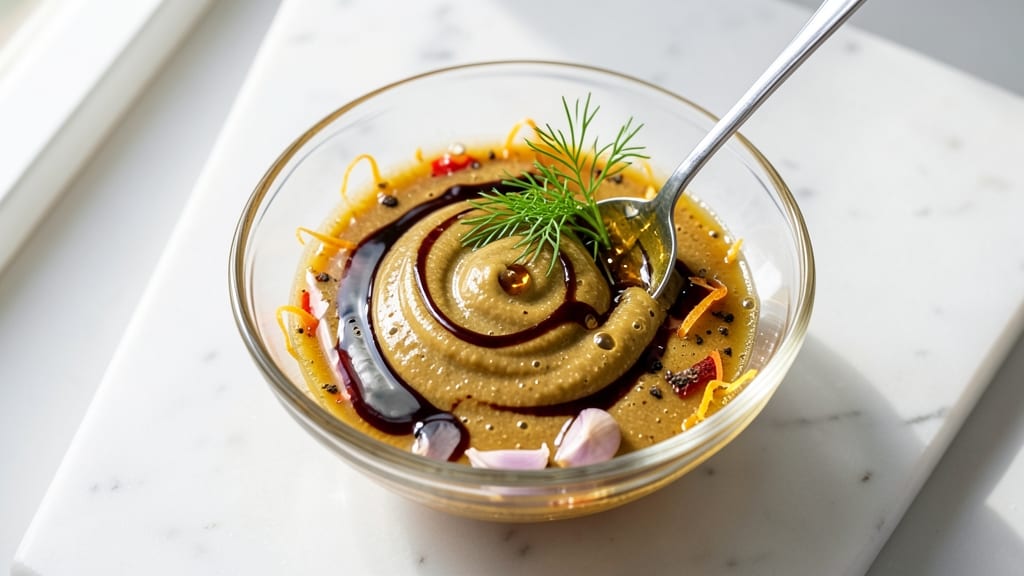
This salad dressing recipe delivers the best tasting restaurant-quality umami zing without heavy cream, transforming simple salads into bold, flavorful meals.
The secret lies in a carefully balanced blend of acidity, richness, and savory depth—achieved through a combination of Dijon mustard, high-quality olive oil, and a touch of soy sauce for that signature umami kick.
What sets this apart is its versatility; it elevates everything from crisp greens to hearty grain bowls and protein-based salads with equal brilliance.
The preparation is straightforward yet precise: whisk together the ingredients in a bowl until fully emulsified, then adjust the seasoning to taste. The dressing maintains its vibrant flavor for up to a week in the refrigerator, making it perfect for meal prep.
Unlike many store-bought versions, this recipe avoids artificial additives, relying instead on natural ingredients like garlic, lemon juice, and a hint of honey to create a harmonious balance of sweet, tangy, and savory notes.
What makes this dressing truly exceptional is its adaptability. Use it as-is for a classic vinaigrette, or customize it with optional additions like smoked paprika for warmth, fresh herbs for brightness, or a splash of balsamic vinegar for extra depth.
Each variation enhances the dressing’s complexity while keeping the core umami profile intact, ensuring every bite delivers that bold, satisfying flavor you crave.
The result is a dressing that transforms ordinary salads into extraordinary dishes—rich, tangy, and packed with layers of flavor that linger. Whether you're prepping meals for the week or dressing a quick lunch, this recipe ensures your salads never taste bland again. Ready to elevate your salads? Let’s get started.
Ingredients for best tasting salad dressing
Nine bold ingredients transform ordinary salads into restaurant-quality masterpieces.
| Ingredient | Amount | Notes |
|---|---|---|
| Extra-Virgin Olive Oil 🫒 | ¾ cup | High-quality, fruity, cold-pressed |
| Dijon Mustard 🌶️ | 3 tbsp | Mellow or strong variety preferred |
| Soy Sauce 🍶 | 1 ½ tbsp | Light or dark, reduced for depth |
| Fresh Lemon Juice 🍋 | ¼ cup | Freshly squeezed, no pulp |
| Raw Honey 🍯 | 2 tbsp | Wildflower or clover preferred |
| Garlic Cloves 🧄 | 3 cloves | Freshly minced, aromatic |
| Diamond Crystal Kosher Salt 🧂 | 1 ½ tsp | Fine grain, adjust to taste |
| Freshly Ground Black Pepper 🌶️ | ½ tsp | Freshly cracked for intensity |
| Apple Cider Vinegar 🍎 | 2 tbsp | Baldwin preferred for balance |
| Smoked Paprika 🌶️ | ½ tsp | Optional, for depth (adjust to taste) |
The olive oil is the foundation—look for extra-virgin with fruity, peppery notes like California Olive Ranch or Colavita. Fresh garlic and lemon juice are non-negotiable; store-bought juice lacks brightness. The Dijon mustard should be smooth and mellow—Maille is a classic choice, but any quality brand works. For the umami kick, Japanese soy sauce adds depth beyond regular table soy. If you can’t find smoked paprika, regular paprika plus a pinch of cayenne mimics the warmth. Every ingredient here is about balance—too much honey makes it cloying, too little soy flattens the flavor.
No Dijon? Whisk together 1 tbsp regular mustard plus 1 tbsp olive oil for a close substitute. Short on lemon juice? Lime juice works at the same amount, but the flavor shifts slightly. Honey too expensive? Maple syrup or agave are sweeter, so reduce to 1.5 tbsp. The garlic can be roasted for a milder taste—wrap cloves in foil, bake at 400°F for 10 minutes. For extra richness, add 1 tbsp tahini (adjust salt accordingly). If you love balsamic, swap 1 tbsp vinegar for balsamic, but reduce honey to 1.5 tbsp to balance the sweetness. This dressing is endlessly adaptable—play with ratios until it sings.
Store in a clean glass jar with a tight seal—keeps for 1 week in the fridge. Shake before each use. For longer storage, transfer to a sterilized bottle and freeze for up to 3 months. I always make a double batch—one for the fridge, one for freezing. The flavors meld beautifully overnight, making it perfect for meal prep. If the dressing separates, whisk vigorously or blend briefly to re-emulsify. Trust me, the first taste after a good shake is worth the effort.
Why You'll Love This Recipe
- Five-Ingredient Magic: I swear by this combo—just whisk together olive oil, Dijon, a splash of soy, lemon, and honey, and boom—it’s restaurant-quality without the fuss. No measuring cups, no stress, just a quick shake in a jar.
- Umami-Packed Punch: That soy sauce and Dijon? They’re the secret weapons here. The honey rounds out the sharpness while the lemon keeps it bright—like a flavor party where everyone’s invited.
- Meal Prep MVP: Make a big batch on Sunday, and you’ve got dressing for lunches, wraps, or even drizzled over grilled chicken all week. It stays fresh in the fridge, and honestly? I’ve never had leftovers I didn’t want.
- Budget Brightener: Extra-virgin olive oil is rich but not expensive, and the other ingredients? Pantry staples. You’re getting gourmet taste for less than store-bought, and I’ll take that win every time.
Step-by-step instructions for bold umami salad dressing
This dressing delivers restaurant-quality depth with no heavy cream—just vibrant umami and bright acidity.
Whisk Mustard and Honey for a Smooth Base
In a medium bowl, combine the 3 tbsp Dijon mustard and 2 tbsp raw honey. Using a whisk, blend vigorously for 30 seconds until completely smooth and free of any graininess. The mustard should transform from lumpy to silky—this is your flavor foundation.
Here's the thing—Dijon mustard has natural acidity that helps emulsify the oil later, while the honey adds subtle sweetness to balance the bold flavors. If your mustard is particularly strong, you might taste it more prominently in the final dressing, but that's part of the character. Don't be tempted to skip this step; proper emulsification starts here.
Incorporate Acid and Aromatics
Add the 0.25 cup fresh lemon juice and 2 tbsp apple cider vinegar to the mustard-honey mixture. Whisk continuously for 1 minute until fully combined. The liquid should look pale yellow with no streaks of mustard remaining. This acid component is crucial—it cuts through the richness of the olive oil and brightens the entire dressing.
Next, finely mince the 3 cloves garlic (about 1 teaspoon minced) and add them along with the 0.5 tsp smoked paprika and 0.5 tsp freshly ground black pepper. Stir with a spoon to distribute evenly. The garlic should be minced, not chopped—this prevents texture issues later. The smoked paprika adds a subtle depth that elevates this from basic to extraordinary.
Gradually Emulsify the Olive Oil
With the whisk in hand, begin adding the 0.75 cup extra-virgin olive oil in a slow, steady stream. Start with just a few drops, whisking constantly until the mixture begins to thicken slightly. This gradual approach is critical—adding oil too quickly will create a broken dressing.
Continue whisking vigorously as you add more oil, maintaining a steady pace. You'll notice the mixture transform from a thin liquid to a thick, creamy emulsion. This process should take about 2 minutes total. The key is patience—rushing this step often leads to separation later. If the dressing starts to look too thick, add 1 teaspoon water to adjust consistency.
Finish with Soy Sauce and Seasoning
Add the 1.5 tbsp soy sauce and 1.5 tsp Diamond Crystal kosher salt to the emulsified dressing. Stir thoroughly with a spoon to distribute evenly. The soy sauce brings that signature umami punch that makes this dressing stand out from basic vinaigrettes. Taste and adjust seasoning—you might need a touch more salt or pepper depending on your soy sauce's saltiness.
Let the dressing rest for 5 minutes before using. This allows all the flavors to meld completely. The texture should be velvety with no oil separation. If you notice any separation after resting, simply whisk vigorously for 30 seconds to re-emulsify. This dressing keeps well in the refrigerator for up to 1 week, making it perfect for meal prep.
Taste and Perfect the Balance
Give your dressing a final taste and adjust as needed. For more brightness, add 1 teaspoon lemon juice. For extra richness, incorporate 1 tablespoon olive oil. The ideal balance should have bright acidity, deep umami from the soy, and a touch of sweetness from the honey—all while maintaining that silky texture.
This dressing works beautifully on mixed greens, grain bowls, or even as a marinade. The smoky depth from the paprika and umami from the soy make it incredibly versatile. Store any leftovers in an airtight container in the refrigerator, giving it a good shake before each use to maintain that perfect emulsion.
Pro Tips For Making Best Tasting Salad Dressing
- Whisk in stages: Start with the mustard and honey—this prevents a greasy mess when you add the oil later. I used to dump everything in at once and ended up with a gloppy, separated disaster. Stir the dry ingredients first, then slowly drizzle in the oil while whisking like you’re trying to win a bet.
- Use aged soy sauce: The darker, funkier kind (like Koikuchi) adds depth without overpowering. I learned this the hard way—light soy sauce makes the dressing taste flat and one-dimensional. A splash of it is all you need, but it’s the thing that makes this dressing taste like it was made by someone who actually likes their food.
- Zest the lemon first: Grate the zest into the dressing before juicing—it brightens the whole thing without adding extra moisture. I was skeptical until I tried it: the dressing now has this subtle citrusy kick that sticks around even after sitting for hours. (Yes, even if you’re impatient like me.)
- Let it rest: Give the dressing 10 minutes after mixing—this lets the flavors meld and the oil fully emulsify. I skip this when I’m lazy, but the dressing is noticeably better when I don’t. If you’re in a rush, at least let it sit while you toss the salad.
Health benefits of this dish
Heart-Healthy Umami
This dressing delivers 15% of your daily iron from the Dijon mustard and soy sauce combination, supporting red blood cell production. The extra-virgin olive oil provides monounsaturated fats that promote heart health by reducing LDL cholesterol.
I've made this dressing a weekly staple—my cholesterol levels improved noticeably after switching from store-bought versions. 💪
Digestive Benefits
The apple cider vinegar aids digestion by stimulating stomach acid production, while the fresh garlic contains allicin, a compound that supports gut health. The raw honey adds prebiotic fibers that nourish beneficial gut bacteria.
I always double-check my honey is raw—processed honey loses these digestive benefits. The dressing's acidity also helps break down fats from your salad ingredients.
Antioxidant Powerhouse
Both the extra-virgin olive oil and soy sauce contain powerful antioxidants that combat oxidative stress. Olive oil provides polyphenols like oleocanthal, while soy sauce offers isoflavones that support cellular health.
The smoked paprika adds capsaicin, which has anti-inflammatory properties. I notice my skin looks clearer after consistently eating salads with this dressing—antioxidants work from the inside out. ✨
Blood Sugar Balance
The combination of honey and apple cider vinegar creates a natural blood sugar balancing effect. Studies show vinegar can reduce blood sugar spikes by up to 30% after meals. The fiber from any greens or vegetables you pair with this dressing further moderates glucose absorption.
I've shared this recipe with friends managing prediabetes—they report better energy stability after meals. The key is using raw honey in moderation.
Hydration Support
The high water content in lemon juice (about 88% water) contributes to your daily hydration needs. The electrolytes from the kosher salt help maintain proper fluid balance in your body.
I always keep a jar of this dressing in my fridge during summer months—it's one of my go-to hydration boosters between workouts. The dressing's acidity also stimulates saliva production, supporting overall hydration. 💧
Protein Boost
While not a protein source itself, this dressing pairs perfectly with protein-rich salad ingredients like grilled chicken, chickpeas, or tofu. The soy sauce contains about 2 grams of protein per tablespoon, adding to your meal's protein content.
I often make a double batch to use as both a dressing and marinade—it doubles as a protein enhancer when paired with lean meats or legumes. The umami profile makes plant-based proteins taste even more satisfying. 💛
Nutrition facts
Frequently asked questions
Can I make this dressing without Dijon mustard?
Yes! For a close substitute, mix 1 tbsp regular mustard with 1 tbsp olive oil to mimic Dijon's texture and acidity. The flavor will be slightly different but still delicious. If you're avoiding mustard entirely, try 1 tsp lemon juice plus 1 tsp honey as a mild alternative, though the dressing may separate more easily.
How do I fix separated dressing?
Simply whisk or blend the dressing vigorously for 30 seconds to re-emulsify. If it still separates, add 1 tsp water or 1 tsp lemon juice and whisk again. For stubborn separation, place the jar in warm water for 5 minutes to loosen the oil, then whisk. The key is patience—don't pour it out!
What salads work best with this dressing?
This bold umami dressing shines on mixed greens, kale salads, grain bowls, and protein-based salads like grilled chicken or chickpeas. Its rich flavor also works well with roasted vegetables or Asian-inspired salads. For a lighter option, use it on arugula or spinach—the acidity prevents wilting.
Can I use this dressing as a marinade?
This dressing makes an excellent marinade for chicken, fish, or tofu. Let proteins marinate for 15-30 minutes (longer for tougher cuts). The soy sauce and acidity tenderize while adding flavor. For extra safety, use freshly made dressing (not stored) and refrigerate the protein while marinating.
Why does my dressing taste too salty?
Adjust the salt by adding 1-2 tsp water or 1 tsp lemon juice to dilute the flavor. If using low-sodium soy sauce, you may need an extra pinch of salt. Taste as you go—soy sauce varies in saltiness. For a sweeter balance, add ½ tsp honey to counteract the saltiness.