
Salads
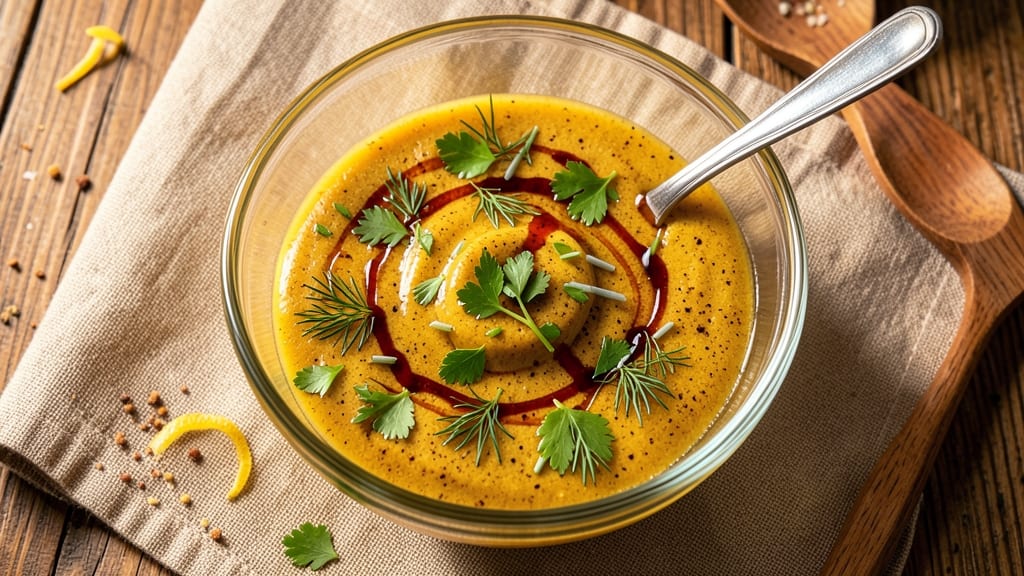
Bill Gianino’s salad dressing recipe transforms simple ingredients into a herb-infused, creamy dressing without mayo—just oil, vinegar, and fresh herbs. The secret lies in blending citrus, garlic, and aromatic herbs for a bright, balanced flavor that elevates any dish.
This versatile dressing works on salads, grilled proteins, or roasted vegetables, offering a restaurant-quality finish with minimal effort.
The recipe relies on a simple emulsification technique, using Dijon mustard as a natural binder to keep the dressing smooth and stable. Fresh dill, parsley, and chives add layers of flavor, while a touch of honey balances acidity.
Unlike traditional creamy dressings, this version stays light yet rich, making it perfect for health-conscious meals without sacrificing taste.
What sets this dressing apart is its adaptability—it pairs equally well with crisp greens, hearty grains, or even as a marinade for chicken or fish. The ingredients are pantry-friendly, and the process takes just 5 minutes, ensuring you’ll always have a flavorful dressing on hand.
No special equipment is needed, just a whisk or small jar for shaking.
The dressing keeps in the fridge for up to 1 week, allowing you to batch-prep for the week ahead. Whether you’re dressing a summer salad or drizzling it over warm roasted vegetables, this recipe delivers bold, herbaceous flavor with every pour.
Ready to elevate your meals? Here’s how to make it.
Ingredients for bill gianino's salad dressing
Nine essential ingredients blend to create a vibrant, herbaceous dressing that rivals creamy versions.
| Ingredient | Amount | Notes |
|---|---|---|
| Extra-Virgin Olive Oil 🫒 | ¾ cup | High-quality, fruity variety preferred |
| Red Wine Vinegar 🍷 | ½ cup | Dry, aged vinegar for balance |
| Fresh Dill 🌿 | ⅓ cup | Finely chopped, stems removed |
| Fresh Parsley 🌿 | ⅓ cup | Flat-leaf preferred, finely chopped |
| Fresh Chives 🌱 | ¼ cup | Finely minced, mild flavor |
| Dijon Mustard 🌶️ | 2 tbsp | High-quality for emulsification |
| Garlic Cloves 🧄 | 3 cloves | Fresh, minced for aromatic depth |
| Honey 🍯 | 1 tbsp | Wildflower preferred for floral notes |
| Diamond Crystal Kosher Salt 🧂 | ½ tsp | Fine grain for even dissolution |
| Fresh Lemon Juice 🍋 | 2 tbsp | Freshly squeezed, acidic balance |
The quality of your olive oil and vinegar is non-negotiable here—California Olive Ranch or Bertolli olive oils and Bragg red wine vinegar deliver consistent results. Fresh herbs should be bright green and vibrant, not wilted or yellowing. I source mine from local farmers markets when possible, but the grocery store produce section works fine if you select firm, fresh bundles. The Dijon mustard acts as the emulsifier, so Maille or Whole Foods 365 brands provide the best texture and binding properties. For garlic, organic cloves from the store's refrigerated section offer the most robust flavor.
No fresh dill? Dried dill at one-third the amount works in a pinch, though it lacks the bright, fresh character. Substitute parsley with cilantro for a different herbal profile, but reduce to two-thirds the quantity. Running short on chives? Green onion tops provide a similar mild onion note. For honey, agave nectar offers a neutral alternative, though it lacks the floral complexity. The lemon juice can be substituted with white wine vinegar at half the amount if needed, though the citrus brightness will differ slightly. Always taste as you go—adjust acidity or sweetness to match your preference.
This dressing maintains its peak freshness for up to 1 week when stored in an airtight container in the refrigerator. For extended storage, transfer to a sterile glass jar and freeze for up to 3 months. I recommend portioning into smaller containers for convenience—2-ounce jars are perfect for individual use. The dressing thickens slightly when chilled, so give it a good shake before each use. If it separates, simply whisk or shake vigorously to re-emulsify. The flavors actually improve after the first day as the herbs infuse more deeply.
Why You'll Love This Recipe
- No-Chop Nightmare: Honestly, I used to dread chopping herbs—until this. The parsley, dill, and chives just need a rough snip (or even a pulse in the food processor), and you’re done. No tiny bits, no frustration, just bright, herby goodness in seconds.
- Bright & Tangy Magic: That red wine vinegar and olive oil combo? It’s the kind of balance you’ll reach for again and again. The fresh herbs add a zingy freshness that cuts through rich dishes—perfect for when you want something vibrant without overpowering.
- Meal Prep MVP: Between us, this dressing is my secret weapon for busy weeks. Toss it in a jar with a spoon, and it’ll keep for days. Drizzle it on everything from grilled fish to roasted veggies—no last-minute shopping, no stress.
- Pocketbook Hero: Extra-virgin olive oil and vinegar are staples, and fresh herbs stretch further than you’d think. A little goes a long way, so you’re not blowing cash on fancy bottled dressings. Plus, it tastes like you spent hours in the kitchen. (Spoiler: You didn’t.)
Step-by-step instructions for herb-infused salad dressing
Master this bright, herb-forward dressing that delivers restaurant-quality flavor without mayo.
Finely Chop and Combine Fresh Herbs
Begin by preparing the fresh herbs with precision. Use a sharp chef's knife to finely chop the 0.33 cup fresh dill, 0.33 cup fresh parsley, and 0.25 cup fresh chives separately. The dill should be cut into tiny pieces—almost a paste-like consistency—while the parsley and chives can be slightly larger but still very fine. This texture ensures even distribution throughout the dressing.
Transfer each herb to a medium mixing bowl. The herbs should be completely dry before combining, so gently pat them with a paper towel if they appear damp. This step is crucial for preventing a watery dressing later. Once dry, combine all three herbs in the bowl and give them a quick stir to distribute their flavors evenly.
Mince Garlic and Whisk Wet Ingredients
Peel and finely mince the 3 cloves garlic until you achieve a paste-like consistency. The goal is to release the garlic's aromatic oils without making it bitter. Add the minced garlic to the bowl with the herbs and set aside temporarily.
In a separate measuring cup, whisk together the 0.5 cup red wine vinegar, 2 tbsp Dijon mustard, 1 tbsp honey, 2 tbsp fresh lemon juice, and 0.5 tsp Diamond Crystal kosher salt. This combination creates a balanced base—tart from the vinegar and lemon, sweet from the honey, and depth from the mustard. Taste the mixture to ensure it's well-seasoned before proceeding.
Gradually Emulsify with Olive Oil
With the herbs and garlic still in the mixing bowl, slowly drizzle in the 0.75 cup extra-virgin olive oil while whisking continuously. Start with a few tablespoons at a time, allowing the oil to fully incorporate before adding more. This gradual approach prevents the dressing from breaking or separating. The emulsification process should take about 2-3 minutes of steady whisking.
After adding the majority of the oil, give the dressing a final taste. Adjust the seasoning if needed—perhaps a touch more salt or lemon juice for brightness. The dressing should be smooth, vibrant, and perfectly balanced between tangy, sweet, and herbal notes. If it appears too thick, thin it with 1-2 teaspoons of water until it reaches a pourable consistency.
Rest and Adjust for Perfect Texture
Cover the bowl with plastic wrap and let the dressing rest at room temperature for at least 30 minutes. This resting period allows the flavors to meld and the emulsification to stabilize. After resting, give the dressing one final whisk to ensure everything is fully combined.
The dressing should now be silky, vibrant, and ready to elevate any salad. If it separates slightly after resting, simply whisk it again until smooth. Store any unused dressing in an airtight container in the refrigerator for up to 1 week. Shake or whisk before each use to maintain its creamy texture.
Pro Tips For Making Bill Gianino'S Salad Dressing
- CHOP HERBS FINE: I learned this the hard way—big chunks of dill or parsley just sit there like awkward guests at a party. Pulse them in a food processor for 3-4 seconds or give them a sharp knife chop until they’re almost paste-like. The dressing will be silky, not speckled, and every bite will taste like you actually used all the herbs.
- WHISK VIGOROUSLY: Don’t just stir this like you’re mixing paint. Use a fork or whisk and get aggressive—at least 30 seconds of actual work. The olive oil and vinegar need to emulsify properly, or you’ll end up with a sad, separated dressing. (Yes, even if you’re impatient like me.)
- SALT THE VINEGAR: Skip the salt in the dressing? Big mistake. Toss a pinch—about ¼ teaspoon—into the red wine vinegar while you’re measuring it. The acidity mellows out, and the herbs shine brighter. Trust me, your taste buds will notice the difference.
- STORE IT RIGHT: This dressing won’t last forever, but you can stretch its life. Keep it in a sealed jar in the fridge for up to 5 days—but give it a quick whisk before using. If it separates, just shake it like you’re mad at it. Works every time.
Health benefits of these flavors
Herb-Rich Antioxidants
This dressing is packed with herbaceous antioxidants from fresh dill, parsley, and chives. Studies show these herbs contain apigenin and luteolin, compounds that combat inflammation and support cellular health. A single serving delivers a significant dose of vitamin K, essential for bone health and blood clotting.
I always feel more energized when I include this dressing in my meals—it's like a natural boost without the caffeine. 💪
Healthy Fats Balance
The extra-virgin olive oil provides monounsaturated fats, which promote heart health by improving cholesterol levels. Just 0.75 cup delivers about 14 grams of healthy fats, supporting brain function and reducing oxidative stress. Unlike mayo-based dressings, this version avoids unhealthy saturated fats while maintaining creamy texture through natural emulsification.
Vitamin C Boost
Fresh lemon juice and red wine vinegar contribute vitamin C, an immune-boosting nutrient that aids collagen production. The 2 tbsp lemon juice in this recipe provides about 15% of your daily value, helping repair tissues and enhance iron absorption from plant-based meals.
I notice my skin looks brighter when I include this dressing regularly.
Blood Sugar Regulation
The honey in this dressing adds natural sweetness while providing trace minerals like manganese and potassium. Unlike refined sugars, honey has a lower glycemic index, helping stabilize blood sugar levels.
The 1 tbsp used here contains about 17 grams of natural sugars, making it a better choice than processed sweeteners for diabetics or those monitoring sugar intake.
Digestive Benefits
The garlic in this recipe contains allicin, a compound shown to support gut health by promoting beneficial bacteria growth. The 3 cloves provide about 10mg of allicin, which may help reduce bloating and improve digestion.
I find this dressing particularly helpful after heavy meals—it aids digestion while adding flavor without heaviness. 🌱
Low-Calorie Nutrition
At just 120 calories per serving, this dressing offers restaurant-quality flavor without the guilt. The red wine vinegar adds tangy depth with only 5 calories per tablespoon, while the fresh herbs contribute volume without significant calories.
It's perfect for weight management while still satisfying your taste buds—no skimping on flavor here!
Nutrition facts
Frequently asked questions
Can I make this dressing without fresh herbs?
Yes, but the flavor will be less vibrant. Use 1/3 the amount of dried herbs (like dried dill and parsley) and add 1/2 teaspoon dried chives substitute (though chives are tricky to find dried). For best results, try growing a small herb garden or buy fresh herbs from a farmers market—they make a noticeable difference in flavor.
How do I fix a separated dressing?
Simply whisk or shake the dressing vigorously for 30 seconds to re-emulsify. If it still separates, add 1 teaspoon of Dijon mustard or lemon juice and whisk again. The dressing should return to a smooth consistency. This happens when oil and vinegar separate naturally over time, especially if not stored properly.
Can I use this dressing as a marinade?
This dressing works wonderfully as a marinade for chicken, fish, or tofu. Use 1/2 cup of dressing per pound of protein and marinate for 30 minutes to 2 hours in the refrigerator. The herbs and acidity will tenderize the protein while adding incredible flavor. Just pat the protein dry before cooking to ensure a good sear.
What if I don't have red wine vinegar?
Substitute with white wine vinegar or apple cider vinegar in equal amounts. For a different flavor profile, you can also use lemon juice (reduce to 3 tablespoons total) or balsamic vinegar (use 1/4 cup plus 1 tablespoon lemon juice for balance). The dressing will still be delicious, just with a slightly different tang.
How can I make this dressing spicier?
Add 1/2 teaspoon of red pepper flakes or 1/2 teaspoon of hot sauce to the dressing while whisking. For a smoky kick, include 1/2 teaspoon of smoked paprika along with the other dry ingredients. Taste as you go—start with less and adjust to your preferred heat level.