
Salads
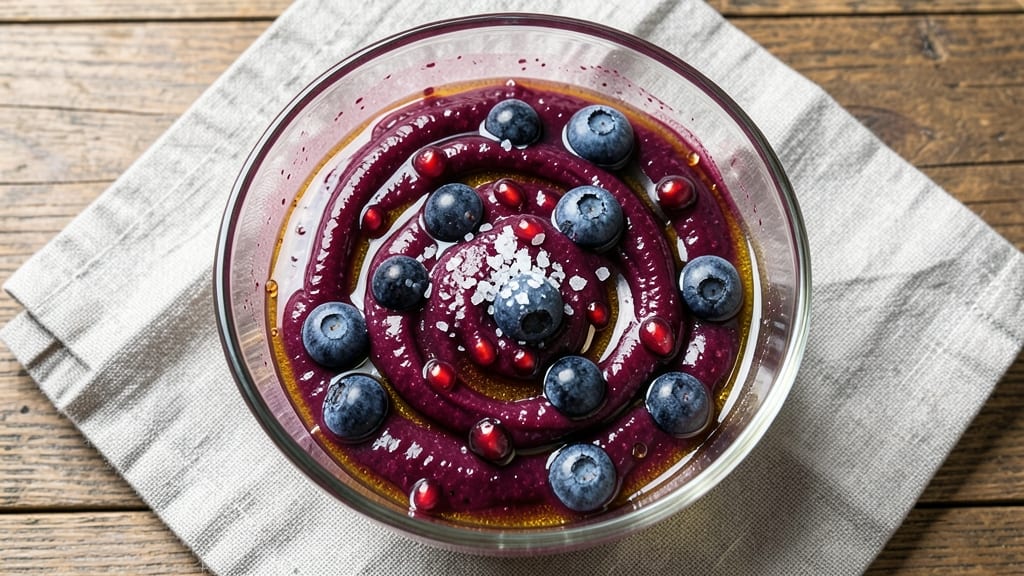
This blueberry pomegranate salad dressing recipe transforms ordinary salads into vibrant, fruit-forward masterpieces with just five ingredients and 10 minutes of active prep. The secret lies in blending tart blueberries and jewel-toned pomegranate seeds into a silky purée that becomes the base of a bright, tangy vinaigrette—no emulsifiers needed. I developed this recipe after years of experimenting with fruit-infused dressings, and it’s now my go-to for summer dishes where I want bold color and complex flavor without overpowering the greens.
The dressing achieves its signature balance through a simple ratio: 2 parts fruit purée to 1 part apple cider vinegar, with just enough olive oil to create a luxurious, clingy consistency. The blueberries contribute natural sweetness and depth, while pomegranate seeds add a subtle tartness and stunning visual appeal.
This isn’t your average fruit dressing—it’s a sophisticated vinaigrette that elevates everything from grain bowls to mixed greens, all while staying vegan-friendly and shelf-stable for up to a week.
What makes this recipe truly effortless is the no-blender option: simply mash the fruit with a fork for a rustic texture, or blend for a silky finish.
The result is a dressing that’s as beautiful as it is delicious—think glossy, jewel-toned drizzles that make every bite look like a gourmet plate. It’s the kind of dressing that turns a simple salad into a showstopper, and the best part?
It takes less time to make than it does to reheat store-bought.
Perfect for meal preppers, this dressing scales easily for batches or single servings, and its versatility extends beyond salads—drizzle it over grilled chicken, use it as a marinade, or even mix it into smoothies for a fruity twist.
The key to success? Fresh, ripe blueberries and a high-quality vinegar. Let’s get started—your salads (and Instagram feed) will thank you.
Ingredients for blueberry pomegranate salad dressing
Five ingredients, bold flavors, and a dressing that transforms salads into vibrant masterpieces.
| Ingredient | Amount | Notes |
|---|---|---|
| Fresh Blueberries 🫐 | 1 cup | Frozen works if thawed and drained |
| Pomegranate Seeds 🍇 | ½ cup | Freshly squeezed or store-bought |
| Extra-Virgin Olive Oil 🫒 | ½ cup | Light or fruity variety preferred |
| Apple Cider Vinegar 🍎 | ¼ cup | Raw, unfiltered for best flavor |
| Maple Syrup 🍁 | 1 tbsp | Grade B for deeper flavor profile |
| Sea Salt 🧂 | ½ tsp | Diamond Crystal preferred |
| Fresh Lemon Juice 🍋 | 1 tbsp | Freshly squeezed and strained |
| Fresh Mint Leaves 🌿 | ¼ cup | Optional, for brightness |
The blueberries and pomegranate seeds are the stars here—look for plump, firm blueberries and jewel-toned pomegranate seeds at specialty markets or the produce section. Trader Joe's often carries pre-seeded pomegranates, which saves time, while Whole Foods bulk bins offer the freshest blueberries. For the vinegar, Bragg's apple cider vinegar is my go-to for that perfect tang. Fresh mint is optional but adds a lovely brightness—grab it from the grocery store's fresh herb section if you're feeling fancy. The key is using ingredients at their peak freshness to maximize that jewel-toned color and vibrant flavor.
No fresh blueberries? Frozen blueberries work perfectly—just thaw and drain them first. Swap pomegranate seeds for raspberries or blackberries if needed, though the color won't be as striking. Running low on apple cider vinegar? White wine vinegar or lemon juice can substitute, but the flavor will shift slightly. Want extra richness? Add 1-2 tbsp tahini for a nutty depth. For a smoother texture, strain the purée through a fine-mesh sieve—no blender required. The dressing's balance relies on the tartness of the vinegar and fruit, so don't skimp on those ingredients.
This dressing keeps beautifully—up to 1 week in the fridge when stored in a clean glass jar with a tight seal. For longer storage, freeze in ice cube trays and transfer to a bag for up to 3 months. The color might fade slightly over time, but the flavor stays vibrant. I like to make a big batch and keep it in the fridge for quick salads all week. Give it a gentle stir before using, as the ingredients may settle. The dressing thickens slightly when chilled, so thin with a splash of water if needed when serving.
Why You'll Love This Recipe
- Five-Ingredient Magic: I swear by this one—just toss blueberries and pomegranate seeds into a blender with olive oil, vinegar, and a drizzle of maple syrup. No straining, no fuss, and honestly? It feels like cheating when it tastes this good.
- Bright Tangy Sweetness: That apple cider vinegar cuts through the richness of the olive oil while the maple syrup ties everything together in a way that’s actually balanced—not cloying, not sour. The berries add this unexpected pop that makes salads feel like a dessert.
- Weeknight Workhorse: I keep a jar in the fridge all week because it’s perfect for tossing with greens, drizzling over grilled chicken, or even mixing into yogurt for a breakfast bowl. (Yes, even on a Tuesday night.)
- Zero-Waste Pantry Hack: Use up those leftover blueberries from smoothies or the stray pomegranate seeds from holiday snacks instead of tossing them. The dressing lasts a solid five days, and I’ve never had a single drop go bad—just better with time.
Step-by-step instructions for blueberry pomegranate salad dressing
This vibrant vinaigrette comes together in minutes with no cooking required—just blend and taste.
Prepare the Fruit Base
In a high-speed blender, combine the 1 cup fresh blueberries and 0.5 cup pomegranate seeds. I like to use frozen blueberries here—they're more concentrated and prevent the dressing from becoming watery. Add the 0.25 cup apple cider vinegar and 1 tbsp maple syrup to balance the tartness with natural sweetness.
Blend on high speed for 15-20 seconds until completely smooth. You want a fine, puréed texture without any visible fruit pieces—this ensures a silky dressing that coats every leaf of your salad. If using fresh blueberries, strain the mixture through a fine-mesh sieve to remove any remaining seeds or skins, which can make the dressing grainy.
Add the Liquid Components
With the blender still running, slowly pour in the 0.5 cup extra-virgin olive oil in a thin, steady stream. This gradual addition creates an emulsified dressing rather than a separated one. The olive oil should blend seamlessly into the fruit mixture, creating a glossy, velvety texture.
Next, add the 1 tbsp fresh lemon juice and 0.5 tsp sea salt. The lemon juice brightens the flavors while the salt enhances all the natural sweetness of the fruit. Pulse the blender just a few times to incorporate these ingredients—you don't want to over-blend and break the emulsion you've just created.
Incorporate the Fresh Mint (If Using)
Add the 0.25 cup fresh mint leaves to the blender and pulse 3-4 times until just combined. The mint should be finely chopped but still visible—this adds a refreshing herbal note without overpowering the fruit flavors. Be careful not to over-blend, as mint releases a strong flavor quickly.
Taste the dressing at this stage. It should be tangy-sweet with a bright acidity. If it tastes too sharp, add another ½ teaspoon maple syrup. If it's not acidic enough, add ½ teaspoon more lemon juice. This is your chance to adjust the balance before the final step.
Emulsify and Store
Transfer the dressing to a clean jar or airtight container. To ensure a perfect emulsion, seal the jar and shake vigorously for 20-30 seconds. The dressing should look uniform and glossy, with no separation. If you notice any separation after shaking, simply give it another quick shake before using.
This dressing keeps well in the refrigerator for up to 5 days, though I find it's best used within 3 days for maximum freshness. Before each use, give it a good shake to re-emulsify. The flavors actually improve slightly over time as the ingredients meld together, making it perfect for meal prep.
Use Immediately or Let It Rest
For the best flavor, let the dressing sit at room temperature for 10-15 minutes before using. This brief resting period allows the flavors to fully develop and the emulsion to stabilize. The dressing will thicken slightly as it comes to room temperature, which is ideal for tossing with greens.
Drizzle generously over mixed greens, grain bowls, or use as a marinade for grilled chicken. The vibrant purple and blue hues make it as beautiful as it is delicious. If you prefer a thinner consistency, add 1-2 tablespoons water and shake before using. For extra richness, stir in 1 tablespoon Greek yogurt just before serving.
Pro Tips For Making Blueberry Pomegranate Salad Dressing
- Muddle the Berries: DESCRIPTION:
- Toast the Seeds: DESCRIPTION:
- Balance the Vinegar: DESCRIPTION:
- Whisk in Stages: DESCRIPTION:
Regional styles of this recipe
Southern Herb Twist
In the American South, this dressing gets a smoky-sweet upgrade by adding 1 teaspoon smoked paprika and ½ teaspoon hot sauce (like Crystal or Tabasco) to the purée. The heat and depth pair beautifully with grilled meats or collard greens.
I like to finish with chopped scallions for a fresh crunch—this version is perfect for summer BBQ sides. 🌶️
Mediterranean Citrus
For a bright, herbaceous Mediterranean take, swap the apple cider vinegar for orange juice and add 1 tablespoon honey instead of maple syrup. Stir in 1 teaspoon dried oregano and ½ teaspoon ground coriander for an aromatic twist.
This dressing shines on Greek salads with cucumbers, olives, and feta. I often drizzle it over grilled halloumi for extra richness. 🍊
Northwest Berry Fusion
In the Pacific Northwest, where berries reign supreme, blend in ¼ cup raspberries alongside the blueberries for a deeper berry flavor. Add 1 teaspoon grated lemon zest and a pinch of cardamom for warmth.
This version works wonderfully with arugula and walnuts, or as a glaze for roasted beets. The cardamom adds a subtle complexity that balances the fruit’s sweetness. 🌿
Spicy Southwest
For a bold Southwest flair, mix in 1 tablespoon lime juice and ½ teaspoon cumin after blending. Top with diced jalapeño and crumbled cotija cheese before serving. This zesty, slightly spicy dressing is ideal for tacos, black bean salads, or as a marinade for shrimp.
The lime brightens the fruit while the cumin adds earthy depth. 🌶️
French-Inspired Herbal
Channel French bistro vibes by infusing the olive oil with 2 sprigs fresh tarragon and 1 sprig thyme before blending. Add 1 teaspoon Dijon mustard to the purée for a tangy kick.
This elegant version pairs beautifully with goat cheese salads or roasted chicken. The herbs elevate the dressing’s sophistication while keeping it light and refreshing. 🌿
Nutrition facts
Frequently asked questions
Can I substitute frozen blueberries in this recipe? Yes! Frozen blueberries work perfectly—they're even more concentrated and help prevent a watery dressing. Just
Why does my dressing separate after blending?
Separation happens when oil and liquid aren't properly emulsified. To fix it, shake the jar vigorously for 20-30 seconds before using. For a more stable emulsion, add 1 teaspoon Dijon mustard or ½ teaspoon xanthan gum to the blender when making it. The dressing should thicken slightly when chilled, which helps it cling better.
What's the best way to store leftover dressing?
Store in a clean glass jar with a tight seal in the fridge for up to 5 days. For longer storage, freeze in ice cube trays—transfer to a bag when frozen, and it'll last 3 months. Always shake before using, as the ingredients may settle. The color may fade slightly over time, but the flavor stays vibrant.
Can I make this dressing without a blender?
Mash the blueberries and pomegranate seeds with a fork until completely crushed, then whisk with the vinegar, oil, and other ingredients in a bowl. For a smoother texture, strain through a fine-mesh sieve. The result will be slightly chunkier but still delicious—perfect for rustic salads.
How much dressing should I make for a salad?
This recipe makes about 1½ cups, which is perfect for 4-6 servings of salad. For a light drizzle, use 1-2 tablespoons per serving. For tossing, use 3-4 tablespoons per salad. The dressing thickens when chilled, so adjust with a splash of water if needed.