
Sauces & Condiments
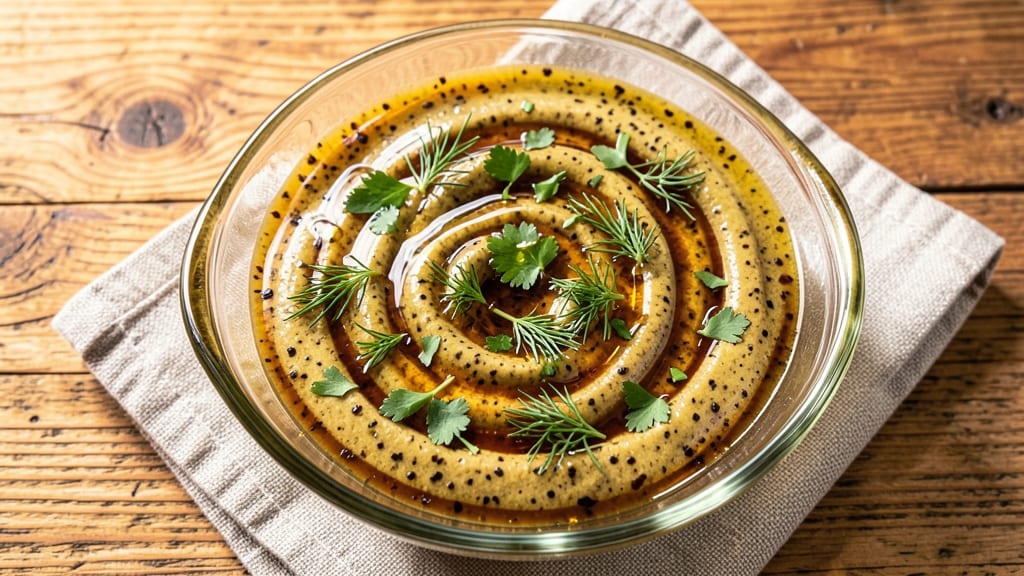
This Braggs apple cider vinegar salad dressing transforms simple ingredients into a tangy-sweet vinaigrette that elevates every salad from ordinary to extraordinary.
The secret lies in balancing the sharp acidity of apple cider vinegar with rich olive oil and a touch of honey, creating a dressing that's both bold and versatile.
I developed this recipe after craving a dressing that tasted homemade but required minimal effort—no emulsifiers, no complicated steps, just pure flavor.
The dressing comes together in just 5 minutes with basic pantry staples: high-quality olive oil, Dijon mustard for depth, and a blend of fresh herbs that brighten the tang.
The honey not only balances the acidity but also adds a subtle sweetness that makes this dressing irresistible on everything from mixed greens to roasted vegetables. What makes it truly special is how it enhances rather than overpowers—each ingredient plays its part without stealing the spotlight.
What you’ll end up with is a velvety, well-balanced dressing that clings beautifully to salads while adding a sophisticated tang. It’s the kind of dressing that makes you reach for fresh greens, crisp vegetables, and even grilled meats.
The best part? It keeps well in the fridge for up to 2 weeks, so you can make a batch and enjoy it all week long.
Use it as a base for vinaigrettes, a dip for bread or vegetables, or even a marinade for meats. The possibilities are endless, but the technique remains simple—just whisk, taste, and adjust. Here’s how to make it.
Ingredients for braggs apple cider vinegar recipe salad dressing
Six simple ingredients blend into a dressing that tastes restaurant-fresh in minutes.
| Ingredient | Amount | Notes |
|---|---|---|
| Braggs Apple Cider Vinegar 🍏 | ½ cup | Unfiltered for best flavor |
| Extra-Virgin Olive Oil 🫒 | ½ cup | High-quality, fruity variety |
| Raw Honey 🍯 | 2 tbsp | Local preferred for depth |
| Dijon Mustard 🥫 | 1 tbsp | For tangy depth |
| Fresh Dill 🌿 | ¼ cup | Chopped, stems removed |
| Fresh Parsley 🌿 | ¼ cup | Chopped, flat-leaf preferred |
| Garlic Cloves 🧄 | 2 cloves | Minced for subtle bite |
| Sea Salt 🧂 | ½ tsp | Diamond Crystal preferred |
| Black Pepper 🌶️ | ¼ tsp | Freshly ground |
The Braggs apple cider vinegar is non-negotiable here—its unfiltered depth makes all the difference. Grab the 16-ounce bottle from the condiment aisle, not the cheap generic stuff. For the honey, local raw honey adds complexity, but any quality honey works. Fresh herbs are ideal, but dried dill and parsley (use half the amount) work in a pinch. The olive oil should be extra-virgin—California or Italian varieties have the best fruity notes. If you're short on time, Trader Joe's sells pre-minced garlic that saves chopping steps.
No Dijon mustard? Whole-grain mustard thinned with a splash of vinegar works surprisingly well. Swap honey for maple syrup if you're vegan (though the flavor shifts slightly). Short on fresh herbs? Dried herbs at one-third the amount get you close—just toast them in a dry pan for 30 seconds first to wake up the flavor. The garlic can be roasted for a milder taste (wrap whole cloves in foil, bake at 400°F for 10 minutes). For extra richness, add 1 teaspoon of lemon juice or a pinch of smoked paprika.
This dressing keeps beautifully for 2 weeks in the fridge, sealed in a jar. Shake before each use—it settles. For a quick fix, make a double batch and freeze half in ice cube trays. Each cube makes about 2 tablespoons of dressing. The herbs keep best if you store them separately and add them fresh when ready to use. If the dressing separates (which happens sometimes), just whisk vigorously or blend for 10 seconds—it'll come back together.
Why You'll Love This Recipe
- Five-Ingredient Magic: I swear, this dressing comes together faster than I can say "salad night." Just shake those five ingredients—no measuring cups, no fancy techniques—straight into a jar. The Braggs vinegar and honey do the heavy lifting while I chop greens or pull chicken out of the fridge.
- Tangy-Sweet Balance: That first pour of dressing is chef’s kiss—sharp apple cider vinegar cuts through the richness of olive oil, then honey and Dijon mustard round it out with just the right bite. Fresh dill? It’s the cherry on top, bright and herby, like a summer breeze in a bottle.
- Lunchbox Hero: Between us, this is my go-to for meal prep. I make a big batch on Sunday, and it lasts all week—drizzled over roasted veggies, tossed with grain bowls, or even as a quick dip for crudités. The honey keeps it from going rancid, so it’s still fresh by Friday.
- Budget Brightener: Honestly, the cost of this dressing is laughable. A little goes a long way, and I’ve been using the same jar for salads, marinades, and even deglazing pans. The Braggs vinegar and olive oil are staples I already had, so it’s basically free flavor with zero guilt.
Step-by-step instructions for tangy-sweet apple cider vinaigrette
This dressing comes together in minutes with simple steps and bold flavors.
Combine Vinegar, Honey, and Mustard
In a medium bowl, whisk together the 0.5 cup Braggs Apple Cider Vinegar, 2 tbsp Raw Honey, and 1 tbsp Dijon Mustard. Start with a quick stir to break up the honey, then whisk vigorously for about 30 seconds until the honey dissolves completely and the mixture becomes smooth and glossy.
This step is crucial for balancing the sharp tang of the vinegar with the sweetness of the honey. The Dijon mustard adds that signature tangy depth that makes this dressing stand out. If you notice any honey granules remaining after whisking, just give it another 10 seconds with a bit more elbow grease.
Add Fresh Herbs and Garlic
Fold in the 0.25 cup chopped Fresh Dill and 0.25 cup chopped Fresh Parsley using a silicone spatula. Then add the 2 minced Garlic Cloves and mix gently to combine. The herbs should be evenly distributed throughout the dressing, and you should be able to smell that fresh, bright aroma.
Here's where the dressing starts to come alive with flavor. The fresh dill and parsley add brightness, while the garlic provides a subtle, aromatic bite. Don't worry if the mixture looks a bit chunky—this is actually what gives the dressing texture and visual appeal. I like to give it a quick taste at this stage to check the balance before adding the oil.
Slowly Incorporate the Olive Oil
With the whisk in hand, slowly drizzle in the 0.5 cup Extra-Virgin Olive Oil while continuing to whisk. This gradual addition is key to creating an emulsion that won't separate. Start slow, then increase to a steady whisking motion as the oil incorporates. You're aiming for a smooth, creamy texture that coats the back of a spoon.
The olive oil should blend seamlessly with the vinegar mixture, creating that perfect vinaigrette consistency. If you whisk too quickly, you might end up with a broken dressing. Keep whisking until the dressing looks uniform and satiny. This usually takes about 1-2 minutes of steady whisking.
Season and Adjust
Add the 0.5 tsp Sea Salt and 0.25 tsp Black Pepper, whisking gently to distribute evenly. Taste the dressing and adjust the seasoning if needed. You might want to add a bit more salt to enhance the flavors, or a touch more honey if you prefer it sweeter.
This is your chance to fine-tune the dressing to your liking. The salt should make the flavors pop, while the pepper adds a subtle warmth. Remember, the dressing will mellow slightly after sitting for a few minutes, so don't be afraid to season it generously now. Once you're happy with the taste, give it one final whisk to ensure everything is well combined.
Let It Rest and Shake Before Use
Transfer the dressing to a clean jar with a tight-fitting lid. Let it sit at room temperature for at least 5 minutes before using. This resting period allows the flavors to meld together beautifully. Just before serving, give the jar a good shake to re-emulsify the dressing and ensure a smooth consistency.
The resting time is where the magic happens. The flavors will meld and deepen, creating a dressing that's even more complex and delicious. If you notice any separation after shaking, just give it another quick whisk. This dressing keeps well in the refrigerator for up to 1 week, so you can make a big batch and enjoy it throughout the week.
Pro Tips For Making Braggs Apple Cider Vinegar Recipe Salad Dressing
- Whisk in Stages: I learned this the hard way—dumping all ingredients at once and ending up with a lumpy mess. Start by mixing the Braggs vinegar, Dijon, and honey first, then slowly drizzle in the olive oil while whisking vigorously. The oil is heavier and won’t emulsify properly if you rush it.
- Use Warm Honey: Cold honey is thick and stubborn—it’ll clump in your dressing. Warm it slightly (just a few seconds in the microwave or a pinch of hot water) before adding it to the vinegar. This ensures it blends smoothly and doesn’t leave you with grainy texture.
- Chop Dill Fine: Whole dill fronds look pretty but overpower the dressing. Give those stems a quick chop—just small dice or even a rough mince—so the flavor distributes evenly without dominating. Skip the stems; they’re tough and bitter.
- Balance the Vinegar: Braggs vinegar is bold, and it’s easy to overdo it. Taste as you go, but remember: the dressing should brighten, not sting. If it’s too sharp, add a splash more honey or a pinch of salt to round it out. Adjust gradually—you can’t take it back once it’s in.
Troubleshooting your braggs apple cider vinegar recipe salad dressing
Separation Issues
If your dressing separates after mixing, don’t panic—it’s easily fixable! This happens when oil and vinegar don’t fully emulsify. Simply whisk vigorously for 30-60 seconds or blend briefly with an immersion blender.
For stubborn separation, add 1 tsp Dijon mustard or ½ tsp xanthan gum (a pinch goes a long way) and whisk again. The mustard acts as a natural emulsifier, while xanthan gum binds the ingredients. 💫
Too Tart or Too Sweet
If the dressing tastes overly sharp, balance it with ½ tsp more honey or 1 tsp maple syrup. For a sweeter version, reduce the vinegar slightly to ¼ cup and add 1 extra tbsp honey.
Taste as you go—adjust gradually to avoid overpowering the flavors. Pro tip: Let the dressing sit for 10 minutes before tasting; flavors mellow over time.
Herbs Settling at Bottom
Fresh herbs naturally sink, but a quick shake before using will distribute them evenly. For a smoother texture, blend the herbs with the vinegar and honey before adding oil.
If you prefer visible greens, chop herbs finely and stir vigorously. Store herbs separately in the fridge and add fresh when ready to use for maximum flavor. 🌿
Oil Too Strong or Weak
If the olive oil flavor dominates, reduce it to ¼ cup and add 1 tbsp avocado oil for a milder taste. For a richer dressing, increase to ⅔ cup olive oil and reduce vinegar by 1 tbsp.
Always use extra-virgin olive oil—its higher acidity helps balance the dressing better than lighter oils. Taste after adding oil to adjust.
Dressing Too Thick
Thick dressings happen if the oil-to-vinegar ratio is off. Thin with 1-2 tbsp warm water or apple cider to reach your desired consistency. For a creamier texture, whisk in 1 tsp Greek yogurt or mayonnaise.
Avoid thinning with water if you prefer a more concentrated flavor—just adjust the ratio next time by reducing oil by 1 tbsp.
Flavor Fades Over Time
To preserve freshness, store the dressing in an airtight glass jar in the fridge. Add a small piece of parchment paper over the surface to prevent oxidation. For longer shelf life, freeze in ice cube trays—each cube makes 2 tbsp of dressing.
Refrigerate unused portions immediately after opening. Fresh herbs are the first to lose potency, so add them just before serving. ✨
Nutrition facts
Frequently asked questions
Can I make this dressing without fresh herbs?
Use 1 tbsp dried dill and 1 tbsp dried parsley instead of fresh. Toast the dried herbs in a dry pan for 30 seconds to wake up their flavor before adding. For a smoother texture, blend the dried herbs with the vinegar and honey before incorporating the oil. The flavor won't be as bright as fresh, but it's still delicious.
How can I adjust the dressing for a milder garlic flavor?
Roast the garlic first for a sweeter, milder taste. Wrap the 2 cloves in foil and bake at 400°F for 10 minutes before mincing. Alternatively, reduce to just 1 clove of fresh garlic or swap for ½ tsp garlic powder. Taste as you go—garlic flavor mellows slightly after sitting for 10 minutes.
Will this dressing work for non-salad uses?
Yes! This versatile dressing doubles as a marinade for grilled chicken or fish, a dip for bread or veggies, or even a finishing sauce for roasted potatoes. For marinades, use ½ cup of the dressing per pound of protein and marinate for 2-4 hours. The tangy-sweet profile enhances meats beautifully, though reduce the honey slightly if using on delicate fish.
Why does my dressing separate after making it?
Separation happens when oil and vinegar don't fully emulsify. Fix it by whisking vigorously for 30-60 seconds or blending briefly. For stubborn separation, add ½ tsp xanthan gum or 1 tsp Dijon mustard and whisk again. Store in a sealed jar and shake before each use. The dressing will re-emulsify perfectly each time.
Can I make this dressing with other vinegars?
While Braggs apple cider vinegar gives the best flavor, you can substitute with white vinegar or red wine vinegar. For white vinegar, add ½ tsp vanilla extract to mimic the apple cider notes. Red wine vinegar works well but has a slightly different profile—reduce the honey to 1 tbsp to balance the acidity. The dressing will still be delicious, just with a different character.