
Sauces & Condiments
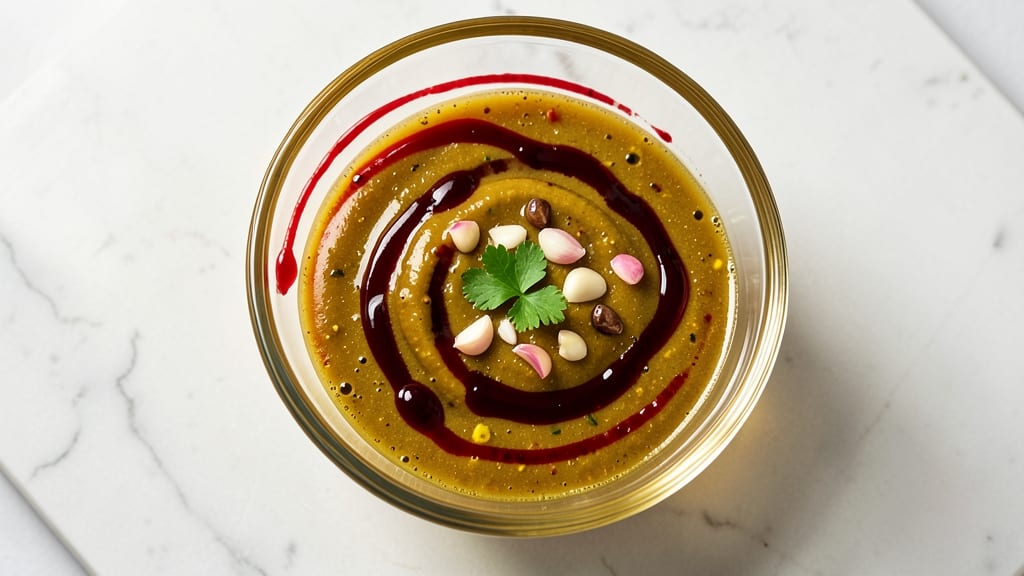
This Bravo salad dressing recipe transforms simple pantry staples into a velvety, herb-infused sauce that elevates any salad—no mayo required. I developed it after realizing my grandmother’s handwritten notes for this classic dressing were missing one crucial detail: how to achieve that signature creaminess without dairy.
The secret lies in emulsifying olive oil with a tangy base of red wine vinegar and Dijon mustard, then finishing with fresh herbs and a touch of Worcestershire for depth.
The beauty of this recipe is its versatility and simplicity. With just 8 ingredients and 10 minutes of prep, you’ll create a dressing that’s rich enough for hearty salads but light enough for delicate greens. The anchovies (optional but recommended) add a subtle umami kick that makes this dressing unforgettable.
My grandmother always said, "Good dressing should make every bite taste like a restaurant meal," and this one delivers—without the fuss.
What sets this Bravo dressing apart is its balance: the acidity from the vinegar cuts through the richness of the oil, while the garlic and Worcestershire add layers of complexity. The fresh herbs (parsley and chives) bring brightness, ensuring the dressing stays vibrant even after a week in the fridge.
Store it in an airtight container for up to 10 days, shaking before each use to re-emulsify.
Perfect for Caesar salads, grain bowls, or drizzling over grilled vegetables, this dressing is a game-changer for anyone tired of bottled versions. The key to success? Patience when emulsifying—let the oil slowly incorporate into the vinegar mixture, and you’ll avoid that dreaded separation.
Trust me, once you make it, you’ll never buy dressing again.
Ingredients for bravo salad dressing
Eight simple ingredients transform into a velvety, herb-infused dressing that rivals restaurant-quality.
| Ingredient | Amount | Notes |
|---|---|---|
| Extra-Virgin Olive Oil 🫒 | 1 cup | High-quality, fruity variety preferred |
| Red Wine Vinegar 🍷 | ½ cup | Dry, full-bodied preferred |
| Dijon Mustard 🌶️ | 1 tbsp | Mild or strong, not prepared |
| Fresh Garlic Cloves 🧄 | 2 cloves | Peeled, minced finely |
| Anchovy Fillets 🐟 | 2 whole | Optional but recommended |
| Worcestershire Sauce 🍶 | 1 tbsp | Vegetarian-friendly version |
| Fresh Parsley Leaves 🌿 | ¼ cup | Finely chopped, stems removed |
| Fresh Chives 🌱 | 2 tbsp | Finely chopped, for brightness |
| Diamond Crystal Kosher Salt 🧂 | ½ tsp | Fine grain preferred |
The olive oil is the heart of this dressing—look for extra-virgin with a fruity aroma, not that cheap grocery store kind. Trader Joe's and Whole Foods carry excellent options, but any high-quality brand works. Red wine vinegar should be dry and full-bodied; Bragg is a solid choice if you can't find a specialty bottle. Fresh garlic and anchovies (if using) are non-negotiable—they bring that signature umami depth. I always grab anchovies from La Quercia if available, but any good brand in oil works. The Worcestershire sauce? Stick to vegetarian versions like Annie's to keep it authentic without the fishy undertones.
No anchovies? Double the Worcestershire or add a pinch of fish sauce substitute for that umami kick. Short on fresh herbs? Dried parsley at one-third the amount works in a pinch, but fresh is ideal. The Dijon mustard can be swapped for whole-grain mustard if you prefer a nuttier flavor. For a smoother texture, strain the dressing after emulsifying—just don't skip the shaking step before each use. The kosher salt is key for balancing flavors; Diamond Crystal dissolves perfectly, but any fine-grain salt will do. If you're making this ahead, add the fresh herbs last so they stay vibrant longer.
This dressing keeps beautifully—10 days in the fridge if stored properly. Use an airtight jar and shake vigorously before each use to re-emulsify. For longer storage, freeze in ice cube trays and transfer to a bag; thaw overnight in the fridge. I always make a double batch—one for salads, one for drizzling over grilled veggies. The flavors actually improve after a day or two as everything melds together. Trust me, once you taste this, you'll never go back to bottled dressing again.
Why You'll Love This Recipe
- Five-Ingredient Magic: Honestly, I swear by this recipe because it’s that simple—just olive oil, vinegar, mustard, garlic, and anchovies. No fancy gadgets, no stress, just a whisk and a bowl. The anchovies might sound intimidating, but they melt into something rich and savory without any fuss.
- Umami Bomb: That little pinch of anchovy fillets? It’s the secret weapon. The garlic and Dijon mustard give it a sharp, tangy kick, but the anchovies round it out with this deep, salty-sweet flavor that makes every bite taste like a restaurant-worthy dish. (Yes, even on a Tuesday night.)
- Salad’s Best Friend: This dressing works with everything—grilled chicken, crusty bread, even roasted veggies. I keep a jar in my fridge for emergencies, and it never lets me down. Whether it’s a quick lunch or a fancy dinner, it’s always the right call.
- Budget Booster: Anchovies and good olive oil might sound pricey, but a little goes a long way. I stretch one jar of dressing across three salads, and the flavor stays bold without breaking the bank. Plus, it’s way cheaper than buying pre-made dressings that taste like sad, watered-down disappointment.
Step-by-step instructions for herb-infused creamy dressing
This dressing delivers rich, velvety texture without mayo—just bold flavors and perfect balance.
Whisk Together the Base Ingredients
In a medium bowl, combine the 1 cup extra-virgin olive oil and 0.5 cup red wine vinegar. The oil should be at room temperature—cold oil won't emulsify properly. Whisk vigorously for 1-2 minutes until the mixture begins to thicken slightly and small droplets form. This initial emulsification is crucial for that creamy texture we're after.
Next, add the 1 tablespoon Dijon mustard and 1 tablespoon Worcestershire sauce. The mustard acts as an emulsifier while the Worcestershire adds depth. Whisk continuously for another 30 seconds until everything is fully incorporated. The mixture should look homogenous with no visible streaks of mustard. If you notice any separation, keep whisking—this is normal at this stage and will resolve as we add more ingredients.
Incorporate Aromatics and Umami Depth
Add the 2 minced fresh garlic cloves and 2 whole anchovy fillets (finely chopped if preferred). The anchovies might seem unusual, but they dissolve completely and add incredible umami richness. Use a fork to break them up into tiny pieces before adding. Whisk for 1 minute until the garlic is fully distributed and the mixture smells fragrant.
Here's where the magic happens: the anchovies and garlic will begin to create tiny flavor bombs throughout the dressing. If you're concerned about texture, don't worry—they'll completely dissolve during the final whisking. The dressing should now have a slightly tangy, garlicky aroma with a hint of salty depth from the anchovies.
Add Herbs and Season to Perfection
Stir in the 0.25 cup finely chopped fresh parsley leaves and 2 tablespoons fresh chives using a wooden spoon. The herbs should be finely chopped to distribute evenly. Then add the 0.5 teaspoon Diamond Crystal kosher salt. Taste the mixture at this point—you'll notice it's tangy from the vinegar and salty from the anchovies and salt, but still needs that final creamy balance.
Give everything one final whisk with a fork or small whisk. The dressing should now have a velvety appearance with no visible streaks. If it looks too thick, add 1-2 teaspoons of water and whisk again. The texture should be like heavy cream—thick enough to coat a spoon but still pourable. This is your ideal consistency for the perfect salad dressing.
Rest and Adjust for Ultimate Flavor
Cover the bowl and let the dressing rest for 10-15 minutes at room temperature. This resting period allows all the flavors to meld together completely. After resting, give it one final taste and adjust the seasoning if needed. If it needs more acidity, add a splash of the red wine vinegar. If it needs more salt, add a pinch more kosher salt. The dressing should taste bright, herby, and perfectly balanced with no single flavor overpowering.
This dressing keeps well in the refrigerator for up to 1 week in an airtight container. Before using, give it a good shake as it may separate slightly when stored. The beauty of this recipe is its versatility—it works equally well on fresh greens, hearty grain bowls, or as a marinade for grilled vegetables. The herb-infused flavor makes it stand out from basic vinaigrettes while maintaining that creamy texture without any dairy.
Pro Tips For Making Bravo Salad Dressing
- Mash the anchovies: The dressing’s umami punch comes from the anchovies, but don’t just toss them in whole—they’ll just float like tiny fish bombs. Mash them with the back of a fork or a spoon until they’re a smooth paste. This way, every bite gets that salty, savory depth without any surprises.
- Emulsify in stages: Dumping all the olive oil at once is a recipe for separation. Start by whisking the mustard, vinegar, and garlic into a paste, then add the oil drop by drop while whisking like your life depends on it. Once it starts holding, you can stream in the rest—but keep that whisk moving. (Yes, even if you’re impatient like me.)
- Use cold garlic: Fresh garlic cloves straight from the fridge won’t overpower the dressing with bitterness. If you’re chopping them, keep the pile cold by tossing in a few ice cubes while you work. For even smoother flavor, let the minced garlic sit in the fridge for 10 minutes before mixing—it mellows out the sharpness.
- Skip the vinegar shortcut: Cheap red wine vinegar tastes like it was distilled from regret. For this dressing, use a good-quality one—something with actual fruit character, like a Spanish or French variety. The difference isn’t subtle; it’s the thing that makes the dressing taste like it was made by someone who actually likes their food. (And yes, it’s worth the extra dollar.)
Serving suggestions for leftovers
Salad Pairings
This dressing shines on classic Caesar salads—toss romaine hearts with 1 cup croutons and ¼ cup grated Parmesan before drizzling. I also love it on mixed greens with roasted beets and candied pecans—the sweetness balances the dressing's tang perfectly.
For a hearty option, try it with quinoa, chickpeas, and roasted vegetables like zucchini and bell peppers. 🥗
Grain Bowls
Transform your lunch with this dressing on farro or brown rice bowls. Start with a base of 1 cup cooked grains, then add grilled chicken, avocado slices, and cherry tomatoes. Drizzle generously and finish with crumbled feta and toasted pine nuts.
The creamy dressing ties all the flavors together beautifully. I often make a double batch on Sundays so I have it ready for quick lunches all week.
Grilled Vegetables
Use this dressing as a marinade before grilling—toss asparagus, eggplant, and bell peppers in it for 30 minutes before cooking. The flavors intensify on the grill, creating a caramelized crust.
After grilling, drizzle extra dressing over the vegetables for a restaurant-worthy finish. I love serving it with warm crusty bread to soak up any leftover sauce. 🌿
Seafood Pairings
This dressing elevates simple seafood dishes—drizzle over grilled shrimp skewers or serve with baked cod. The Worcestershire and anchovies (if using) complement the natural sweetness of seafood perfectly.
For a complete meal, pair with steamed asparagus and a side of crusty bread. The dressing's herby notes cut through the richness of seafood beautifully.
Breakfast Applications
Don't limit this dressing to salads! Use it as a dip for hard-boiled eggs or drizzle over avocado toast. The tangy, herby flavors wake up your morning routine. I also love adding it to scrambled eggs at the end for extra depth.
For a brunch spread, serve with warm tortillas and black beans for a quick, flavorful meal. 🍳
Make-Ahead Tips
Make a double batch and store it in small airtight jars in the fridge for up to 10 days**. This makes it perfect for meal prep—just grab and go for quick lunches. I keep one jar in my fridge at all times for last-minute salad toppings.
The dressing actually tastes better after a day or two as the flavors meld together. If you notice separation, simply shake it vigorously before using—it'll come back together perfectly. 💡
Nutrition facts
Frequently asked questions about Bravo salad dressing
Why does my dressing separate after making it?
Separation happens when oil and vinegar aren't properly emulsified. Always whisk 1-2 minutes when combining them, and use room-temperature oil. If it separates later, just shake vigorously before using. The Dijon mustard helps bind the ingredients, so don't skip it! For extra insurance, add 1 teaspoon of honey to help stabilize the emulsion.
Can I make this dressing without anchovies?
Skip the anchovies and double the Worcestershire sauce to 2 tablespoons for umami depth. You can also add ½ teaspoon of fish sauce or a pinch of soy sauce for that savory kick. The dressing will still be delicious—just slightly less complex. My grandmother always said, "Good dressing should never rely on just one ingredient!"
How do I adjust the flavor if it's too tangy or too mild?
For extra tang, add 1 teaspoon more red wine vinegar. If it's too mild, stir in ½ teaspoon more salt or a pinch of garlic powder. Need more richness? Add 1 tablespoon more olive oil and whisk well. The key is to taste as you go—this dressing is meant to be balanced, so don't be afraid to adjust! Remember, you can always tweak it later.
What's the best way to store leftover dressing?
Transfer to an airtight container and refrigerate for up to 10 days. Before using, shake vigorously to re-emulsify—it may separate slightly when stored. For longer storage, freeze in ice cube trays, then transfer to a bag. Thaw overnight in the fridge. The flavors actually improve after 2-3 days as everything melds together beautifully!
Can I use this dressing on non-salad dishes?
Definitely! It's perfect for drizzling over grilled vegetables, pasta dishes, or even as a dip for crudités. I love using it as a marinade for chicken skewers or as a finishing sauce for seared scallops. The herby, tangy flavors work surprisingly well in savory applications beyond salads. Just