Salads
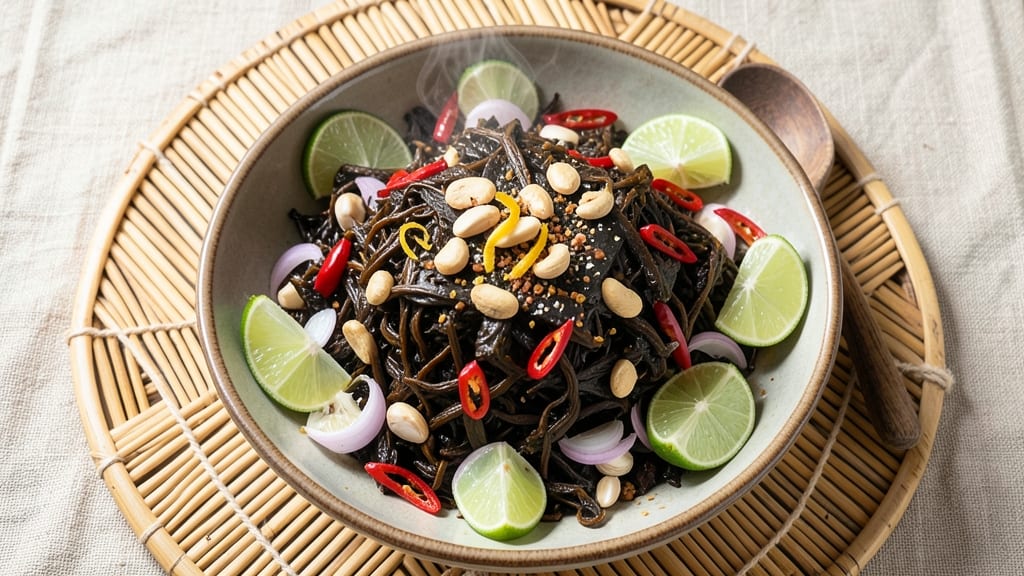
This Burmese fermented tea leaf salad delivers a complex dance of tangy, umami-rich flavors that wake up every bite. The secret lies in fermented tea leaves—whether you use store-bought or make your own—which develop a funky, probiotic-packed depth over time.
I've perfected a method that balances traditional techniques with home kitchen practicality, ensuring you get that signature crunch and bold taste without fermentation anxiety.
The salad itself is a symphony of textures and flavors: crispy fried shallots, toasted peanuts, and fresh herbs all come together with a dressing that marries garlic, lime, and chili into something addictive.
What makes this dish special is how it transforms simple ingredients into something vibrant and satisfying—perfect for those who love bold, restaurant-quality flavors at home. The best part? It's vegetarian (with a vegan option) and ready in minutes once you've prepped your ingredients.
What you'll end up with is a salad that's as much about texture as it is about flavor—each bite offers a satisfying crunch from the tea leaves, peanuts, and fried shallots, balanced by the bright tang of lime and the warmth of chili.
This is the kind of dish that makes you want to eat straight from the bowl, and it pairs beautifully with grilled meats, rice, or even as a standalone meal. The fermentation process might sound intimidating, but I've simplified it so even beginners can achieve authentic results.
Whether you're serving this as an appetizer, side dish, or main course, it's sure to impress. The probiotic benefits of fermented tea leaves make this salad not just delicious but also a healthful addition to your diet.
Let's get started on creating this flavor-packed Burmese classic that's as rewarding to make as it is to eat.
Ingredients for burmese fermented tea leaf salad
Fermented tea leaves, crispy shallots, and bold flavors—this vegetarian salad packs a punch.
| Ingredient | Amount | Notes |
|---|---|---|
| Fermented Tea Leaves 🍃 | 1 ½ cups | Store-bought or homemade fermented |
| Shallots 🧅 | ½ lb | Thinly sliced for frying |
| Peanuts 🥜 | 1 cup | Raw, unsalted, toasted |
| Fresh Lime Juice 🍋 | ½ cup | Freshly squeezed for brightness |
| Garlic Cloves 🧄 | 6 cloves | Minced for dressing |
| Red Chili Peppers 🌶️ | 2 whole | Seeds removed, finely chopped |
| Fresh Mint Leaves 🌿 | ½ cup | Chopped, stems removed |
| Fresh Cilantro Leaves 🌿 | ½ cup | Chopped, stems removed |
| Vegetable Oil 🫒 | ½ cup | For frying shallots |
| Soy Sauce 🥄 | 2 tbsp | Vegetarian-friendly brand |
| Sesame Oil 🫒 | 1 tbsp | For aroma (toasted sesame oil) |
| Sea Salt 🧂 | 1 ½ tsp | Fine grain preferred |
| Black Pepper 🌶️ | ½ tsp | Freshly ground |
| Maple Syrup 🍯 | 1 tbsp | For subtle sweetness |
The fermented tea leaves are the heart of this dish. Store-bought brands like Thai Tea or Shan Tea work perfectly, but if you're feeling adventurous, ferment your own using black tea leaves, salt, and water—just let them sit for 3-5 days in a warm spot. The flavor develops that signature funky, umami-rich profile. For the shallots, Asian markets often carry the sweetest varieties, but any fresh shallots will do. Toast your peanuts in a dry pan until golden—no oil needed—and keep them warm until ready to toss in. The herbs? Fresh mint and cilantro are non-negotiable here; dried just won't cut it.
No fermented tea leaves? Substitute with a mix of black tea leaves and a splash of vinegar to mimic the tang, though it won't have the same depth. Running low on shallots? Red onions work in a pinch, but they'll add a sharper bite. The dressing is where the magic happens—use a high-quality soy sauce like Kikkoman or Tamari for authentic flavor. If you can't find sesame oil, toasted peanut oil is a decent swap, though it lacks that nutty aroma. For heat, adjust the chili peppers to your preference—Bird's Eye chilis bring the most authentic kick, but jalapeños work too if you're gentle with the seeds.
This salad tastes even better the next day as the flavors meld. Store the fermented tea leaves and dressing separately in airtight containers—tea leaves last up to 1 week in the fridge, while the dressing keeps for 3 days. Assemble just before serving to keep those crispy shallots and toasted peanuts at their best. For extra crunch, fry the shallots fresh and add them right before eating. Leftovers? Freeze the dressing for up to 3 months—thaw and shake before using.
Why You'll Love This Recipe
- No-Chop Nightmare: I swear, this salad comes together faster than takeout. Just tear the tea leaves, crush the peanuts roughly—no fancy techniques—and let the lime and garlic do the heavy lifting. Honestly, I’ve made it while scrolling through my phone.
- Umami Bomb: That fermented tea leaf? It’s like a funky, funky magic trick—savory, slightly tangy, with a depth that hits different. Pair it with fresh lime and garlic, and suddenly you’ve got a flavor profile that’s both bold and balanced, like a party in your mouth that never gets rowdy.
- Lunchbox Legend: Between us, this keeps perfectly for days in the fridge—no soggy lettuce here. Toss it in a jar with rice or noodles, and you’ve got a grab-and-go meal that’s still exciting. My kids actually eat their veggies when it’s in the mix. (Small victories.)
- Pocketbook Hero: Fermented tea leaves last forever, peanuts are cheap, and you’re not buying pre-made dressings. I’ve stretched one batch into three lunches with zero waste, and the cost? A fraction of what I’d spend on salads at the café. Budget win, flavor win.
Step-by-step instructions for Burmese fermented tea leaf salad
Here's how to create this vibrant, probiotic-rich salad with perfect balance.
Prepare the Fermented Tea Leaves
Rinse the 1.5 cups fermented tea leaves thoroughly under cold water to remove any excess fermentation liquid. I like to swirl them gently in a colander until the water runs clear—this prevents a bitter taste from over-fermented residue. Drain completely and pat dry with paper towels.
Give the leaves a quick visual inspection—look for any dark or discolored pieces and remove them. The good leaves should be a deep, rich brown with a slightly glossy appearance. This is your base ingredient, so take your time here. The texture should be crisp but pliable, not brittle. If they feel too dry, lightly mist with water and let sit for 5 minutes before proceeding.
Fry the Shallots to Golden Perfection
Heat 0.5 cup vegetable oil in a medium skillet over medium heat until it shimmers but doesn't smoke. Add the 0.5 lb thinly sliced shallots in a single layer, making sure they're not crowded. Cook for 8-10 minutes, stirring occasionally, until they turn a beautiful golden brown color.
Here's the thing—you want them crispy but not burnt. They should have a sweet, caramelized aroma that fills your kitchen. If they start to brown too quickly, reduce the heat slightly. Once golden, transfer the shallots to a paper towel-lined plate to drain excess oil. Don't skip this draining step—the oil can make your salad greasy if left in.
Toast the Peanuts and Prepare the Dressing
In the same skillet (no need to clean it—the flavor is good!), add the 1 cup raw peanuts and toast over medium-low heat for 5-7 minutes, stirring constantly. You'll see them turn from pale to a rich golden brown and smell deeply nutty. Remove from heat immediately—they'll continue cooking from residual heat.
While the peanuts cool slightly, make the dressing by whisking together 0.5 cup fresh lime juice, 2 tbsp soy sauce, 1 tbsp sesame oil, 1 tbsp maple syrup, 1.5 tsp sea salt, 0.5 tsp black pepper, and the 6 minced garlic cloves. The mixture should be smooth and slightly thick. Taste and adjust—you might want more lime for brightness or a touch more maple syrup for balance. This dressing is the soul of your salad, so don't rush it.
Combine All Ingredients for Maximum Flavor
In a large mixing bowl, combine the prepared fermented tea leaves, golden shallots, and toasted peanuts. Add the 0.5 cup chopped mint leaves and 0.5 cup chopped cilantro leaves, then pour the dressing over everything. Using your hands (I know it seems weird, but trust me), gently massage the mixture for about 1 minute to ensure the dressing coats everything evenly.
This is where the magic happens—the mint and cilantro release their oils, the peanuts get crunchy, and the tea leaves soften just enough to absorb the dressing. Fold in the 2 finely chopped red chili peppers last—this keeps their heat vibrant. Let the salad sit for 10 minutes before serving to allow all the flavors to meld together perfectly.
Pro Tips For Making Burmese Fermented Tea Leaf Salad
- Toast the Peanuts: Dry-roast the peanuts in a skillet over medium heat for 3-4 minutes until they’re golden and smell nutty—don’t walk away. I used to skip this step, thinking the salad’s acidity would cover it, but raw peanuts make the whole dish taste flat and mealy. The toasted ones add crunch and depth that changes everything.
- Pound the Shallots: Use a mortar and pestle to crush the shallots into a paste before adding them to the tea leaves—this releases their flavor better than chopping. I tried mincing them finely once, and the salad lacked that sharp, almost spicy bite. A good pound should leave them sticky and broken down, not just diced.
- Balance the Lime: Start with half the lime juice called for, taste, then add the rest—fermented tea leaves are intense, and you don’t want to overpower them. I’ve ruined salads by dumping all the juice in at once, turning a bright dish into something sour and one-note. Adjust in small bursts.
- Use Cold Tea Leaves: Chill the fermented tea leaves in the fridge for 15 minutes before tossing them with the dressing—it mellows their sharpness and keeps the salad from getting too bitter. I learned this the hard way after serving a room-temperature batch that tasted harsh and overpowering. Cold leaves play nicer.
Serving suggestions for leftovers
As a Side Dish
This salad makes an incredible side for grilled meats like chicken or pork—its tangy, umami flavors cut through rich proteins beautifully. I love serving it alongside charred lemongrass chicken or spicy pork ribs from my local market.
The crispy shallots and fermented tea leaves add texture contrast that elevates any main dish. For a vegetarian spread, pair it with tofu or tempeh skewers for a complete protein combo. 🍗
As an Appetizer
Serve this in small bowls or on skewers for an impressive appetizer that guests will devour. I often arrange it on a platter with crispy spring rolls and fresh cucumber slices for a vibrant presentation.
The fermented tea leaves' funky flavor makes it memorable, while the crunchy elements keep it refreshing. For a fun twist, serve with pandan waffle sticks for dipping—it's a hit at parties! 🎉
With Rice or Noodles
This salad transforms into a satisfying main course when served over jasmine rice or rice noodles. The dressing soaks into the grains, creating a flavorful base. I like to add a soft-boiled egg on top for extra richness, or toss it with chicken or shrimp for a heartier meal.
The fermented tea leaves add a probiotic boost that pairs perfectly with carbs. 🍚
Garnish Like a Pro
Finish your salad with crispy fried shallots and toasted peanuts right before serving to keep them at their best. A sprinkle of crushed roasted peanuts adds extra crunch, while extra lime wedges let diners adjust the tang to their taste.
For a restaurant-worthy touch, garnish with edible flowers or a drizzle of chili oil for color and heat. 🌸
Meal Prep Tips
Store the fermented tea leaves and dressing separately in airtight containers for up to 3 days in the fridge. Keep the crispy shallots and peanuts in a separate container to maintain their texture. When ready to serve, simply toss everything together with fresh herbs and lime juice.
For extra crunch, fry fresh shallots just before serving. This salad actually tastes better the next day as flavors meld! ⏳
Pairing with Drinks
A cold Thai iced tea or jasmine green tea complements the salad's bold flavors perfectly. For something stronger, try a light lager like Singha or a dry Riesling to balance the funky tea leaves.
If you prefer cocktails, a gin and tonic with lime or a mojito adds a refreshing contrast. 🍹
Nutrition facts
Frequently asked questions
Can I make fermented tea leaves at home?
Start with 2 cups loose black tea leaves and 1.5 tsp sea salt mixed in 1 cup warm water. Pack tightly into a clean glass jar, press down to remove air bubbles, and let ferment at room temperature for 3-5 days. Stir daily and check for a tangy aroma. Once ready, rinse and drain before using. Store in the fridge for up to 1 week.
What if I can't find fermented tea leaves?
No problem! Mix 1 cup black tea leaves with 1 tbsp apple cider vinegar and 1 tsp soy sauce, then let sit for 30 minutes to mimic fermentation. Drain well before using—it won't taste identical, but it'll add a tangy depth. For best results, try an Asian grocery store for authentic brands like Shan Tea.
How spicy should the chili be?
Adjust to your taste! For authentic heat, use Bird's Eye chilis (seeds in for maximum kick). If you prefer milder heat, remove seeds and use jalapeños. Start with 1 chili, taste, then add more. The dressing's lime and soy sauce balance the heat beautifully—trust your palate!
Can I make this salad vegan?
Yes! Skip the soy sauce (or use tamari) and replace sesame oil with toasted peanut oil. For extra umami, add 1 tbsp miso paste to the dressing. The fermented tea leaves and peanuts already make this dish hearty—no meat needed! Serve with crispy tofu for a complete meal.
Why does my salad taste bitter?
Bitterness usually means over-fermented tea leaves or under-rinsed leaves. Rinse thoroughly under cold water before using, and discard any dark or moldy pieces. For the dressing, balance bitterness with more lime juice or maple syrup. If using homemade fermented leaves, reduce fermentation time to 2-3 days next time.