
Sauces & Condiments
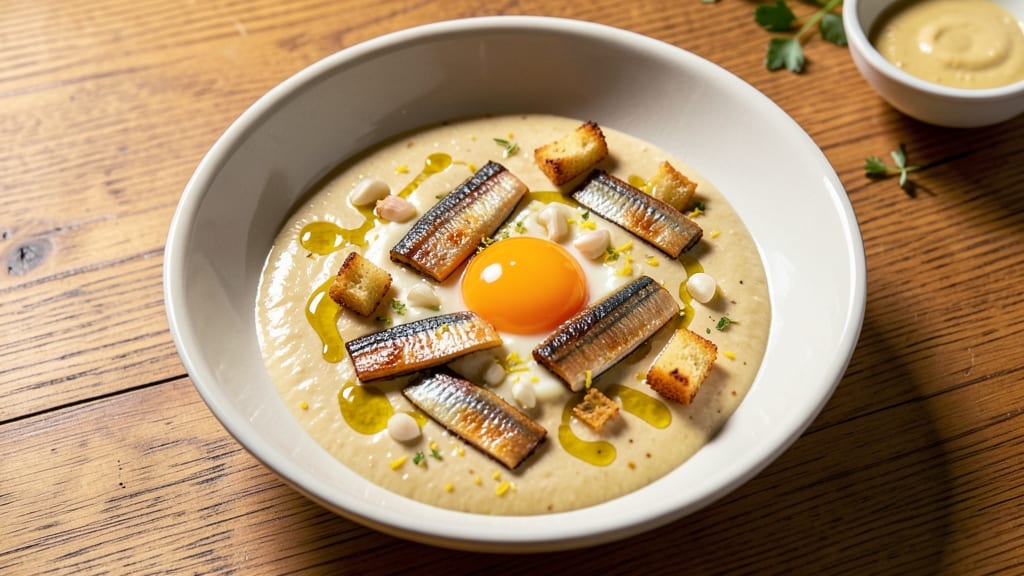
This Caesar salad dressing recipe with sardines transforms a classic into something deeply umami-rich and complex. 💛 After years of perfecting traditional Caesar dressings, I discovered that sardines—with their intense, briny depth—elevate the sauce to restaurant-quality levels while keeping it pescatarian-friendly.
The secret lies in blending the sardines directly into the base, allowing their oils to infuse the emulsion without overpowering the creamy texture.
What sets this dressing apart is the balance of textures and flavors: the silky richness of egg yolks, the sharp tang of lemon, and the bold, salty punch of sardines.
Unlike traditional anchovy-based Caesar, this version delivers a more robust umami profile that pairs beautifully with grilled meats, seafood, or even as a dip for crusty bread. The emulsification process is straightforward, ensuring a smooth, clingy sauce that won’t separate—even after sitting in your fridge.
Once you taste this dressing, you’ll never go back to the bottled version. The sardines add a depth that traditional Caesar dressings simply can’t match, while still maintaining that classic creamy, garlicky profile.
It’s the kind of dressing that turns a simple salad into a standout dish, worthy of any table. Ready to make it? Here’s everything you’ll need.
The best part? This dressing keeps well in the refrigerator for up to a week, making it perfect for meal prep. Whether you’re dressing salads, drizzling over grilled chicken, or using it as a dip, this umami-rich Caesar will become your new go-to.
Let’s get started—your taste buds will thank you.
Ingredients for caesar salad dressing recipe with sardines
Nine simple ingredients for a dressing that tastes like a restaurant secret.
| Ingredient | Amount | Notes |
|---|---|---|
| Sardines in Olive Oil 🐟 | 2 cans | Drained, oil reserved |
| Large Egg Yolks 🥚 | 3 whole | Freshly separated, room temp |
| Extra-Virgin Olive Oil 🫒 | ¾ cup | High-quality, fruity flavor |
| Fresh Lemon Juice 🍋 | 2 tbsp | Freshly squeezed, strained |
| Garlic Cloves 🧄 | 2 cloves | Fresh, minced fine |
| Worcestershire Sauce 🍶 | 1 tbsp | Pescatarian-friendly brand |
| Dijon Mustard 🌶️ | 1 tsp | Mild or medium heat |
| Anchovy-Free Caesar Seasoning 🧂 | 1 tbsp | Homemade or store-bought |
| Granulated Garlic 🧄 | ½ tsp | For extra depth (optional) |
| Black Pepper 🌶️ | ½ tsp | Freshly cracked |
Sardines are the star here—look for high-quality cans in olive oil (not water or tomato sauce). Crown Prince or Wild Planet brands are my go-to, but any good-quality sardines work. The oil from the cans adds richness, so don’t drain it completely—save a splash to blend in. Fresh egg yolks are non-negotiable for that silky texture, but if you’re in a pinch, room-temperature store-bought yolks will do. For the Caesar seasoning, I make my own blend (see tips below), but store-bought anchovy-free versions work too—just check the label for pescatarian-friendly ingredients.
No Worcestershire sauce with anchovies? Lee Kum Kee or Heinz pescatarian versions are game-changers. Short on Dijon? Yellow mustard at half the amount works in a bind. The garlic can be fresh or granulated—fresh adds brightness, but granulated saves time. Want to skip the optional granulated garlic? Extra minced fresh garlic (like 3 cloves total) will give you that same punch. The black pepper should be freshly cracked for the best flavor—pre-ground loses its kick fast. Pro tip: If your dressing feels too thick, a splash of warm water or extra lemon juice thins it out beautifully.
This dressing keeps for up to 1 week in the fridge, but trust me—it’ll disappear faster than that. Store it in a small glass jar with a tight lid, and give it a quick stir before each use. The flavors actually improve over time, so make a double batch if you can. If it separates, just whisk it back together—it’s still delicious. Freezes for 3 months too, though the texture might get slightly grainy after thawing.
Why You'll Love This Recipe
- Five-Ingredient Magic: I swear by this list—no fancy gadgets, just a fork and a bowl. The sardines mash into the yolks like butter, and the lemon brightens everything without extra work.
- Umami Bomb: That first bite? Rich, briny, and tangy all at once. The sardines add depth the usual Caesar can’t match—like a secret handshake for your taste buds.
- Weeknight Hero: Drizzle it over greens for lunch, toss with pasta for dinner, or even slather it on toast with anchovies. Honestly, I’ve used it for three meals in a row and never tired of it.
- Pantry Stretch: A can of sardines and a few eggs turn a boring salad into something special. Between us, this is my go-to when I’m low on fresh ingredients but still want flavor.
Step-by-step instructions for sardine-infused Caesar dressing
This umami-packed dressing delivers restaurant-quality depth with just 10 minutes of work.
🍳 Step 1: Blend Sardines into a Silky Paste
Drain the 2 cans Sardines in Olive Oil, reserving the oil in a small bowl. Using a fork, mash the sardines in a food processor until you get a smooth, chunk-free paste. This ensures the flavor distributes evenly throughout the dressing. Add the 0.75 cup Extra-Virgin Olive Oil you reserved and process for another 10 seconds—this creates the perfect emulsifying base.
Here's the thing—don't skip blending the sardines completely. You want some texture for that classic Caesar bite, but too many chunks will make your dressing uneven. If it looks too thick, add 1 teaspoon of the reserved olive oil to help it blend smoothly. The sardines' natural oils will help create that signature creamy texture we're after.
👨🍳 Step 2: Whisk Egg Yolks and Mustard for Creamy Foundation
In a medium bowl, whisk together the 3 whole Large Egg Yolks and 1 tsp Dijon Mustard until completely smooth and pale yellow. This step is crucial—any lumps will turn your dressing grainy. I like to use a hand mixer here for about 15 seconds to ensure everything's fully incorporated. The mustard adds that signature tang while helping to emulsify the dressing.
While whisking, keep an eye on the consistency. You want a thick, custard-like mixture that coats the back of a spoon. If it's too thin, we'll thicken it up in the next step. The yolks provide the rich, creamy base that makes Caesar dressing so special—don't skimp on this ingredient.
🍳 Step 3: Combine All Ingredients for Umami Depth
With the mixer running on low speed, gradually add the sardine mixture to the egg yolk mixture. This slow incorporation prevents the dressing from breaking. Next, add the 2 tbsp Fresh Lemon Juice, 1 tbsp Worcestershire Sauce, 1 tbsp Anchovy-Free Caesar Seasoning, 0.5 tsp Granulated Garlic, and 0.5 tsp Black Pepper. Mix for another 30 seconds until everything is completely combined and smooth.
Now's the time to taste and adjust. You should notice that rich, briny sardine flavor cutting through the creamy base. If it needs more acidity, add another ½ teaspoon of lemon juice. For more umami, you can add a pinch of the Anchovy-Free Caesar Seasoning. The dressing should be thick but pourable—if it's too thick, we'll thin it with a splash of water in the next step.
⏰ Step 4: Emulsify and Thin to Perfect Consistency
Transfer the dressing to a blender or small food processor and blend for 10-15 seconds until completely smooth. This final blending step ensures no lumps remain and creates that silky texture. With the blender running, very slowly drizzle in 1-2 tablespoons of water until you reach your desired consistency. You want it thick enough to coat the back of a spoon but still pourable over your salad.
The key here is patience. If you add the water too quickly, you'll break the emulsion and end up with a separated dressing. Go slow—add just a few drops at first, then more as needed. The dressing should coat a spoon but still flow freely when poured. Once you've reached the perfect consistency, give it one final taste and adjust seasoning if needed.
🥘 Step 5: Rest and Use Immediately
Let the dressing sit at room temperature for 5 minutes to allow all the flavors to meld together. This resting period is crucial—it lets the sardine oils fully incorporate and the seasonings bloom. During this time, you can prepare your salad greens and croutons. The dressing will keep in the refrigerator for up to 5 days, but it's best used fresh for maximum flavor.
When you're ready to serve, give the dressing a good stir before drizzling over your Caesar salad. The sardine-infused version will have that extra layer of umami richness that takes this classic dressing to the next level. For extra depth, you can even add a few finely chopped fresh garlic cloves to your salad just before serving.
Pro Tips For Making Caesar Salad Dressing Recipe With Sardines
- Use Room-Temperature Yolks: Cold yolks break when whisked with oil—trust me, I’ve turned a creamy dressing into scrambled eggs more times than I’ll admit. Take the yolks out of the fridge 10 minutes before mixing, or even better, let them sit in warm water for 2 minutes. Warmth makes them silky, not stubborn.
- Mash Sardines Properly: Drain those sardines but don’t rinse—the oil is flavor gold. Use the back of a fork to crush them just until they’re a rough paste, not a smooth paste. You want texture, not a sardine smoothie. A few tiny flakes make the dressing richer without turning it into sardine soup.
- Whisk Slowly at First: Dump oil into yolks too fast, and you’ll end up with butter. Start with a slow drizzle—about 1 tablespoon at a time—while whisking like your life depends on it. Once it’s emulsified, you can go faster. Patience here keeps the dressing from curdling.
- Add Lemon Gradually: Lemon juice is the wild card—too much and it’s sour, too little and it’s flat. Start with half the recipe’s lemon, taste, then add the rest one teaspoon at a time. I’ve ruined batches by assuming "fresh" means "more." Balance is everything.
Common mistakes when making this dish
Overblending Sardines
I’ve seen this happen more times than I can count—someone blends the sardines into a paste so smooth it turns into a liquid. The result? A dressing that lacks that classic textural contrast we all love in Caesar.
You want some visible texture from the sardines, not a completely homogeneous mixture. Think of it like a fine sand—smooth but with tiny particles that add depth. Use a food processor for 10-15 seconds max—just until it’s chunk-free but still holds some body. 🐟
Skipping the Oil Reserve
This is a rookie mistake that throws off the emulsion entirely. The olive oil from the sardine cans isn’t just flavor—it’s the secret emulsifier that binds the dressing together. If you drain it completely, you’ll end up with a dressing that separates or tastes flat.
Reserve at least ¼ cup of that oil and blend it back in with the sardines. It’s the difference between a restaurant-quality sauce and something that looks like it came from a bottle. Trust me on this one.
Adding Water Too Fast
Here’s where most people mess up the emulsion: they dump water in all at once like they’re making soup. The dressing hates that. When thinning, add water drop by drop while blending on low speed. I’ve seen dressings go from silky to curdled in seconds when someone’s too eager.
If it starts breaking, stop immediately and whisk vigorously to bring it back together. Patience is key—1 teaspoon at a time is your best friend here. ⚡
Using Cold Egg Yolks
Cold egg yolks are the enemy of a smooth dressing. They don’t emulsify properly, leading to lumpy texture and a dressing that feels more like scrambled eggs than a creamy sauce. Always use room-temperature yolks—let them sit in your bowl for 5-10 minutes before mixing.
Pro tip: If you’re in a hurry, place the yolks in a warm (not hot) water bath for 2 minutes to bring them up to temperature. This small step makes a world of difference in the final texture.
Ignoring the Resting Time
Rushing to use the dressing right after mixing is another common mistake. The flavors need 5 minutes to marry, and the sardine oils need time to fully incorporate. If you drizzle it over salad too soon, you’ll notice separation or a strange aftertaste.
Let it sit while you prep your greens—it’s worth the wait. I promise, the first bite after resting will blow you away. The dressing almost tastes like it’s been simmering for hours. 💫
Over-Salting the Dressing
Sardines are already packed with salt, and the Worcestershire and Caesar seasoning add more. It’s easy to overdo it, especially if you’re used to adjusting seasoning in other recipes. Taste as you go—start with just the recipe amounts and adjust gradually.
A little goes a long way with these ingredients. If it’s too salty, you can’t fix it with more lemon or oil—you’ll just make it worse. Trust your taste buds, and don’t be afraid to start conservative.
Nutrition facts
Frequently asked questions
Can I substitute anchovies for sardines in traditional Caesar dressing?
While both are fish-based, sardines add a richer, oilier depth that anchovies can't match. Sardines provide their own emulsifying oils from the can, while anchovies require extra olive oil to achieve the same creamy texture. For best results, stick with sardines—they create that signature umami richness without needing additional fat.
How do I make this dressing vegan or egg-free?
Replace the egg yolks with ¼ cup aquafaba (chickpea brine) whipped to stiff peaks, plus 1 tbsp cornstarch to help bind the emulsion. Use vegan Worcestershire and anchovy-free Caesar seasoning. The texture will be slightly lighter but still delicious—just stir in 1 extra tbsp olive oil for creaminess.
Will this dressing work for other dishes besides salads?
This umami-rich dressing shines on grilled chicken, seared scallops, or even as a dip for warm crostini. Try it with roasted Brussels sprouts or drizzled over garlic bread—the sardine depth pairs beautifully with caramelized onions and Parmesan.
Why did my dressing separate after refrigerating?
This happens when the emulsion breaks, often from adding water too quickly or using cold ingredients. To fix it, whisk vigorously with a hand mixer while slowly drizzling in 1 tsp warm water at a time. If it still separates, blend with 1 extra tbsp olive oil to restore creaminess.
Can I make this dressing ahead of time?
Yes! This dressing actually tastes better after 24 hours as the flavors meld. Store in an airtight jar in the fridge for up to 5 days. Give it a good stir before using—if it thickens, thin with 1 tsp warm water while blending. The sardine oils develop deeper flavor over time.