
Salads
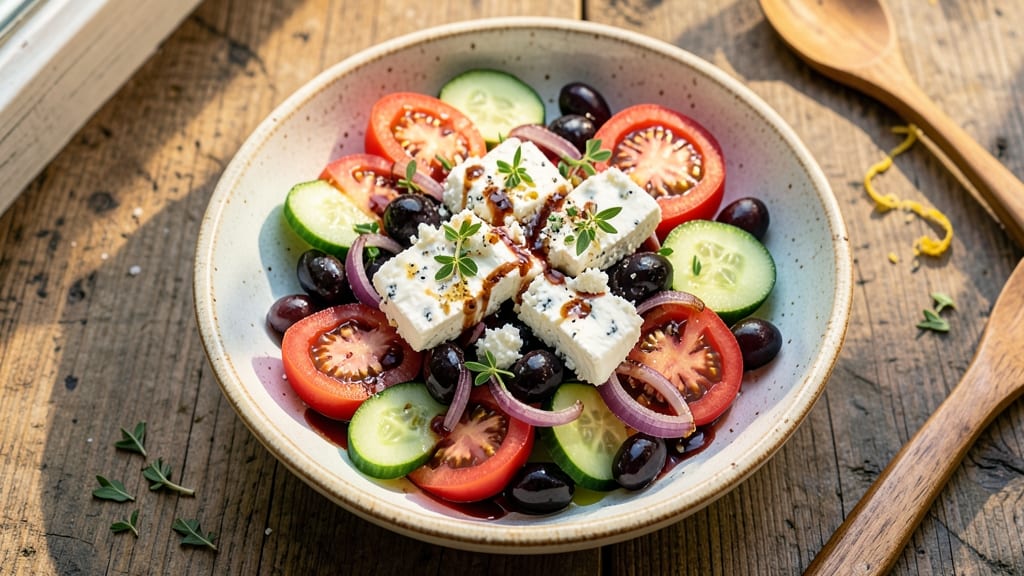
This Greek salad recipe with red wine vinegar delivers the perfect balance of bright, crisp vegetables and herby Mediterranean flavors.
The secret lies in the tangy red wine vinegar dressing that cuts through the richness of ripe tomatoes, briny Kalamata olives, and creamy feta cheese—each bite is fresh, vibrant, and full of authentic taste.
I've perfected this version over years of testing, ensuring every ingredient plays its part without overpowering the classic combination.
The foundation of a great Greek salad starts with crisp, fresh vegetables—juicy tomatoes, cool cucumbers, and sharp red onion—all tossed with the signature dressing. The red wine vinegar adds depth and complexity, while fresh oregano and parsley bring that unmistakable herby aroma.
Feta cheese, crumbled just before serving, ensures that creamy, salty contrast in every bite. This isn't just a side dish; it's a celebration of Mediterranean flavors in one perfect bowl.
What makes this recipe stand out is the authentic yet approachable approach—no complicated techniques, just high-quality ingredients combined thoughtfully. The red wine vinegar dressing ties everything together, balancing the saltiness of olives and feta with a bright, tangy finish.
Whether you're serving it as a light lunch or a refreshing side, this salad brings a taste of Greece to your table with minimal effort.
For an extra touch, consider adding capers, bell peppers, or a drizzle of balsamic glaze to elevate the flavors even further. The key is to assemble it just before serving so the vegetables stay crisp and the feta remains at its best.
Here's how to create a Greek salad that's as delicious as it is satisfying.
Ingredients for greek salad recipe red wine vinegar
Bright tomatoes, crisp cucumbers, and briny olives—this salad’s secret is the tangy red wine dressing.
| Ingredient | Amount | Notes |
|---|---|---|
| Ripe Tomatoes 🍅 | 3 whole | Seedless, medium-sized, cut into wedges |
| English Cucumbers 🥒 | 1 whole | Peeled, sliced into half-moons |
| Red Onion 🧅 | 1 whole | Thinly sliced, sharp flavor |
| Kalamata Olives 🫒 | ½ cup | Pitted, briny flavor preferred |
| Feta Cheese 🧀 | 6 oz | Crumbled, aged for tanginess |
| Fresh Oregano 🌿 | ¼ cup | Chopped, vibrant green leaves |
| Fresh Parsley 🌿 | ¼ cup | Chopped, bright green leaves |
| Red Wine Vinegar 🍷 | ⅓ cup | High-quality, aged variety |
| Extra-Virgin Olive Oil 🫒 | ½ cup | Fruity, peppery finish |
| Honey 🍯 | 1 tbsp | Light, floral variety |
| Dried Oregano 🌿 | ½ tsp | For extra herby depth |
| Garlic Cloves 🧄 | 2 cloves | Minced, for dressing depth |
| Salt 🧂 | 1 tsp | Diamond Crystal preferred |
| Black Pepper 🌶️ | ½ tsp | Freshly ground, coarse |
The tomatoes and cucumbers are the stars—pick firm, ripe ones from the produce section, not those sad, mealy ones lurking at the back. Trader Joe's and Whole Foods have the best selection, but any grocery store’s fresh produce aisle works. For the olives, Kalamata are non-negotiable—their briny punch cuts through everything. Feta? Block, not crumbled—it stays creamier. I grab mine from the deli counter, but pre-packaged works too. Fresh oregano and parsley? Grow your own if possible—store-bought often tastes like dust, but a quick rinse fixes that.
No red wine vinegar? Balsamic vinegar works in a pinch, but it’s not the same—red wine adds that bright, complex tang. Short on honey? Maple syrup at half the amount gives similar sweetness. The garlic can be roasted for a milder flavor if you’re sensitive to raw. For the olive oil, avoid the cheap stuff—look for extra-virgin with a peppery finish. The dressing ratio is key: 3 parts oil to 1 part vinegar keeps it balanced. No fresh herbs? Dried oregano at one-third the amount adds depth, but fresh is always better.
Assemble this salad right before serving—veggies get soggy fast. Store the dressing separately in a jar with a tight lid; it keeps for 2 weeks in the fridge. Feta? Wrap it in parchment paper to absorb excess moisture. The veggies hold up for 2 days if stored in airtight containers, but they’re best fresh. Double the dressing—it’s perfect for drizzling on grilled chicken or fish too.
Why You'll Love This Recipe
- No-Chop Nightmare: I swear, this salad takes zero fuss. Toss in the tomatoes and cucumbers whole—peel the cucumbers if you’re fancy, but I skip it—and the onion stays in big chunks. The olives and feta do all the flavor work while you’re busy pretending to organize your junk drawer.
- Salt-and-Vinegar Magic: That red wine vinegar? It’s the MVP. Sharp, bright, and just a splash of olive oil later, the feta gets that perfect crumbly-salty edge while the tomatoes soak up the tang. Honestly, the first bite makes me pause mid-bite like, “Wait, is this really just salad?”
- Lunchbox to Party Platter: Pack it for work—it’ll still taste fresh hours later. Or pile it high on a board with crusty bread and a bottle of wine for your next “I’m hosting but low-key panicking” moment. The olives and feta hold up, so no sad wilted greens here.
- Budget Win, Zero Waste: Feta and olives stretch this salad far—I’ve fed four people for under $8. Use up those half-used jars of olives or that sad bag of tomatoes before they turn to mush. Plus, leftovers? Just add more vinegar and call it a day.
Step-by-step instructions for Greek salad with red wine vinegar
This vibrant salad comes together in minutes with crisp textures and bold Mediterranean flavors.
Prepare the Vegetable Base
Start by cutting the 3 whole ripe tomatoes into even wedges, removing any seeds from the center. I like to leave the skins on for texture, but if they're tough, you can peel them first. The tomatoes should be juicy but not overly soft—this ensures they hold their shape in the salad.
Next, peel the 1 whole English cucumber and slice it into half-moons. I use a sharp chef's knife and cut them about ¼-inch thick. Thinly slice the 1 whole red onion, keeping the slices as even as possible. Soak the onion slices in ice water for 5 minutes to mellow their sharpness while you prepare the other ingredients.
Assemble the Salad Components
In a large mixing bowl, combine the tomato wedges, cucumber slices, and drained onion slices. Add the 0.5 cup Kalamata olives and gently toss everything together. The olives should be evenly distributed, adding their briny contrast to the fresh vegetables. Sprinkle with the 6 oz feta cheese, crumbled into small pieces—don't worry if it's not perfectly even, the texture is part of the charm.
Add the 0.25 cup chopped fresh oregano and 0.25 cup chopped fresh parsley, tossing gently to coat the vegetables. This is where the salad starts to come alive with color and aroma. You'll notice the oregano's vibrant green leaves and parsley's bright freshness—this is the herby foundation that makes this salad so special.
Create the Signature Dressing
In a small bowl, whisk together the 0.33 cup red wine vinegar, 0.5 cup extra-virgin olive oil, 1 tbsp honey, 0.5 tsp dried oregano, 2 minced garlic cloves, 1 tsp salt, and 0.5 tsp black pepper. The vinegar and honey should blend smoothly, creating a balance between tangy and slightly sweet. The olive oil adds richness while keeping the dressing light enough to coat the vegetables without making them soggy.
Taste the dressing before adding it to the salad. You might want to adjust the balance—add a bit more vinegar if it's too sweet, or a touch more honey if it's too sharp. The dressing should be vibrant and full of flavor, ready to bring all the components together.
Combine and Serve Immediately
Pour the dressing over the salad and toss gently but thoroughly. You want every bite to have that bright, herby flavor. Let the salad sit for 5-10 minutes before serving—this allows the flavors to meld together, but don't let it sit too long or the cucumbers will get soggy.
Serve the Greek salad immediately while everything is crisp and vibrant. The contrast of textures—crunchy cucumbers, juicy tomatoes, briny olives, and creamy feta—makes every bite exciting. This salad is perfect for hot summer days, picnics, or as a refreshing starter for any meal.
Pro Tips For Making Greek Salad Recipe Red Wine Vinegar
- CHILL THE CUCUMBERS: Toss them in ice water for 10 minutes before slicing—cold cucumbers stay crisp longer and don’t turn to mush when mixed with the dressing. I learned this the hard way after serving a sad, soggy salad to guests who swore they’d never eat Greek salad again.
- SALT THE TOMATOES: Sprinkle sliced tomatoes with ½ teaspoon of salt and let them sit for 10 minutes before assembling. This pulls out excess water so they don’t dilute the dressing. Sounds weird, but it works—your tomatoes will actually taste more vibrant.
- DRAIN THE OLIVES: Pat Kalamata olives dry with a paper towel before adding them to the salad. The brine in store-bought olives makes the dressing watery fast. Skip this, and you’ll end up with a sad, soupy mess instead of a bright, briny bite.
- ADD FETA LAST: Toss everything together, then crumble the feta on top right before serving. It keeps the cheese from getting soggy in the dressing. I used to mix it in early, and the texture always suffered—now I save it for the final step.
Serving suggestions for this greek salad recipe red wine vinegar
Plating Like a Pro
Serve this Greek salad in a wide, shallow bowl to showcase its vibrant colors and textures. I love using a ceramic or stoneware dish—it keeps the salad cool and makes the colors pop even more.
Arrange the tomato wedges and cucumber slices in concentric circles, then scatter the olives and feta in artistic clusters. The contrast of red, green, and white creates a stunning visual that’s almost as satisfying as the flavors. 🌈
For an extra touch, garnish with a sprinkle of toasted pine nuts or crispy chickpeas around the edges. These add crunch and elevate the dish to restaurant-quality presentation. The key is to keep the feta and herbs on top so they stay fresh and crumbly when served.
Perfect Pairings
This salad pairs beautifully with grilled meats like lamb chops or sausages, which complement the briny olives and tangy dressing. I often serve it with warm pita bread or crusty freshly baked bread for scooping up every last bite.
The crispness of the salad cuts through rich proteins perfectly. 🍖
For a lighter option, serve it alongside grilled vegetables or a simple Mediterranean fish dish like baked cod with lemon. The salad’s acidity balances the richness of fish beautifully. If you’re serving it as a light lunch, add a side of hummus or tzatziki for extra dipping fun.
Dressing Variations
Want to switch up the dressing? Swap the honey for 1 tbsp Dijon mustard to add a slight tang. Or, for a sweeter touch, replace the honey with 1 tbsp orange zest to brighten the flavors.
I also love drizzling a little balsamic glaze over the top right before serving for a glossy finish. 🍯
For a smoky twist, add ½ tsp smoked paprika to the dressing. Or, infuse the olive oil with garlic and rosemary by heating it gently with the herbs for 5 minutes before adding it to the dressing.
These small tweaks keep the salad exciting while staying true to its Mediterranean roots.
Make-Ahead Tips
Prep the salad components ahead of time and store them separately in airtight containers. Keep the dressing in a jar with a tight lid—it’ll stay fresh for up to 2 weeks.
When ready to serve, toss everything together just before eating to keep the vegetables crisp. I often chop the veggies the night before and store them in the fridge until morning. 🕒
If you’re short on time, you can even assemble the salad a few hours ahead and refrigerate it. Just add the feta and herbs right before serving to keep them fresh.
The dressing can be made a day in advance, but stir it well before using to redistribute the flavors. This way, you can enjoy a restaurant-quality salad with minimal last-minute effort.
Nutrition facts
Frequently asked questions
Can I substitute red wine vinegar with something else?
Yes! If you don't have red wine vinegar, use balsamic vinegar (for a sweeter tang) or apple cider vinegar (for a fruity note). For a sharper kick, try lemon juice—just reduce the honey to ½ tablespoon to balance the acidity. The key is maintaining that bright, tangy contrast to the feta and olives.
Why does my Greek salad get watery after sitting?
This happens when cucumbers release moisture or tomatoes get over-mixed. To prevent it: Pat cucumbers dry with a paper towel before slicing, and toss gently just before serving. Keep the feta and herbs separate until the last minute—their moisture can also make the salad soggy. Serve immediately for the best texture!
How do I make this salad vegan?
Swap the feta for vegan feta (like Violife or Follow Your Heart brands) or omit it entirely. Use nutritional yeast for a cheesy flavor. For extra protein, add white beans or chickpeas to the mix. The red wine vinegar dressing stays the same—just ensure your honey is vegan-certified or use maple syrup instead.
Can I use store-bought dressing instead?
While store-bought dressings save time, homemade makes all the difference! The red wine vinegar and honey combo creates a balanced, herby depth that pre-made dressings often lack. If you're short on time, look for a high-quality extra-virgin olive oil and lemon dressing—just add a pinch of dried oregano and a drizzle of honey to mimic the flavor.
What’s the best way to store leftovers?
Store the salad components (veggies, olives, feta) in airtight containers separately for up to 2 days. Keep the dressing in a jar with a tight lid—it lasts 2 weeks in the fridge. Reassemble just before eating, adding fresh herbs and feta last to keep them crisp. For longer storage, freeze the dressing (without honey) for up to 3 months.