Salads
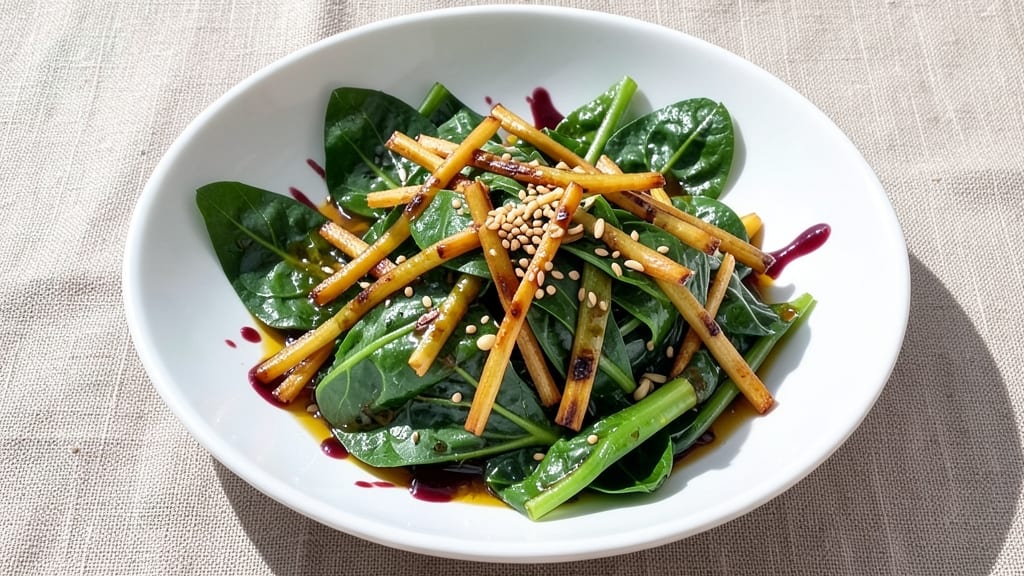
This crispy garlic fried kangkong salad recipe panlasang Pinoy brings authentic Filipino flavors to your table with its signature tangy vinegar dressing and perfectly caramelized greens.
The secret lies in frying the kangkong just until it reaches that irresistible crispy texture while keeping the stems tender—a technique that transforms this simple vegetable into a restaurant-worthy dish.
I developed this recipe after years of perfecting the balance between garlic's aromatic punch and the vinegar's bright tang, which cuts through the richness beautifully.
What makes this salad truly special is how it captures the essence of panlasang Pinoy—that perfect harmony of bold flavors and textures. The kangkong absorbs the garlic and vinegar dressing while maintaining its signature crunch, creating a satisfying contrast with each bite.
Unlike many salads that rely on heavy dressings, this version stays light yet deeply flavorful, making it ideal for both weeknight meals and special gatherings.
The result is a vibrant, aromatic dish that's as visually appealing as it is delicious—golden-fried kangkong with glossy, tangy dressing clinging to every leaf.
The optional garnishes of siling labuyo (Filipino chili) and toasted garlic add layers of heat and depth, while a sprinkle of crushed peanuts introduces a satisfying crunch. This salad proves that Filipino cuisine can be both comforting and sophisticated without requiring complicated techniques.
Perfect as a side dish for grilled meats or as a standalone vegetarian main, this kangkong salad is sure to become a staple in your recipe collection. The best part?
It comes together in just 30 minutes, with most of that time spent frying the kangkong to perfection. Let's get started on this flavorful journey to the Philippines.
Ingredients for kangkong salad recipe panlasang pinoy
Golden-fried kangkong meets tangy dressing—this salad captures the soul of Filipino flavors in every crispy bite.
| Ingredient | Amount | Notes |
|---|---|---|
| Fresh Kangkong (Water Spinach) 🌿 | 1 lb | Stems separated for different cooking |
| Garlic Cloves 🧄 | 6 cloves | Minced, for frying and dressing |
| Extra-Virgin Olive Oil 🫒 | ½ cup | For frying kangkong (use high smoke point) |
| Cane Vinegar 🍶 | ¼ cup | White or apple cider vinegar preferred |
| Soy Sauce 🍶 | 2 tbsp | Light or dark soy sauce |
| Sugar 🍚 | 1 tbsp | White or brown sugar |
| Siling Labuyo (Filipino Chili) 🌶️ | 2 whole | Optional, finely chopped |
| Crushed Peanuts 🥜 | ¼ cup | For garnish, lightly toasted |
| Salt 🧂 | ½ tsp | Kosher or sea salt |
| Black Pepper 🌶️ | ¼ tsp | Freshly ground preferred |
| Lime Juice 🍋 | 1 tbsp | Freshly squeezed |
| Toasted Garlic Cloves 🧄 | 4 cloves | For garnish, lightly fried |
The kangkong is the star here, so look for vibrant, fresh bunches at your local Asian market—Filipino or Chinese grocers usually carry it. If you can't find it, water spinach works in a pinch, but it won't have that same signature texture. Separate the stems early—they cook faster than the leaves and deserve special attention. For the garlic, Filipino garlic (if available) has a milder, sweeter flavor, but regular garlic works too. Toast your garlic cloves in the same oil you fry the kangkong for maximum flavor infusion—that's the secret to restaurant-quality taste.
No cane vinegar? Apple cider or white vinegar will work, but the flavor won't be quite as bright. Running short on soy sauce? Coconut aminos or even a splash of fish sauce (if not vegetarian) can add umami depth. The sugar balances the tang—brown sugar adds subtle caramel notes, while white sugar keeps it clean. For heat, siling labuyo is ideal, but Thai bird's eye chilies or even cayenne powder (start with 1/4 tsp) will give you that Filipino kick. The crushed peanuts? Store-bought works, but toast them yourself for 2-3 minutes in a dry pan—the aroma is worth it.
Fry the kangkong in batches to avoid sogginess—keep it crispy is key. Store leftovers in an airtight container with a paper towel to absorb moisture, and they'll keep for 3 days in the fridge. The dressing can be made ahead and stored separately for 5 days. For extra crunch, toast the peanuts fresh before serving. This salad reheats beautifully—toss with a little oil and warm in a pan for 2 minutes to revive the crispiness. Freeze the fried kangkong (without dressing) for up to 2 months—just thaw and crisp in a hot pan.
Why You'll Love This Recipe
- Ready in 15: I swear, this salad comes together faster than you can say "panlasang." Just blanch the kangkong, toss in minced garlic and olive oil, then hit it with that bright cane vinegar-soy punch. No chopping, no fuss—just stir and serve.
- Umami Bomb: That garlic and soy sauce combo? It’s the kind of flavor that sticks with you. The vinegar cuts through the richness, and the kangkong soaks it up like a sponge—crisp, tangy, and just salty enough to make you reach for seconds.
- Lunchbox Hero: Between us, this is my go-to for packed lunches. Keeps well for days in the fridge, stays crisp, and tastes even better the next day. Toss it with leftover rice or eat it solo—no one judges, and neither should you.
- Pocket-Friendly Feast: Fresh kangkong is cheap, garlic is cheap, and olive oil lasts forever. A single batch feeds four for under $3, and the leftovers? Perfect for quick breakfasts or a last-minute side. Budget win, every time.
Step-by-step instructions for crispy garlic fried kangkong with tangy dressing
Transform fresh kangkong into a restaurant-worthy dish with crispy garlic edges and a bright, tangy dressing.
Prepare the Kangkong for Frying
Start by separating the kangkong leaves from the stems. Rinse thoroughly under cold water and pat dry completely with paper towels—moisture is the enemy of crispy edges. Cut the stems into 1-inch pieces and set aside. For the leaves, trim any thick stems and leave whole or cut into bite-sized pieces.
Heat the 0.5 cup extra-virgin olive oil in a large skillet over medium-high heat until shimmering but not smoking. Add the 6 cloves minced garlic and fry for 30 seconds until fragrant. Remove garlic with a slotted spoon and set aside—you'll use it later for garnish. Add the kangkong stems first, cooking for 2-3 minutes until they turn bright green and slightly blistered. Remove and set aside with the garlic.
Fry the Kangkong Leaves to Crispy Perfection
Working in batches to avoid crowding, add the kangkong leaves to the same skillet. Stir gently for 1-2 minutes until the edges curl and crisp. The leaves should be vibrant green with slight char marks—this is your crispy signal. Remove and set aside with the stems. Keep the leaves warm in a single layer on a wire rack or paper towels.
Here's the thing—don't rush this step. You want those edges to develop a delicate crispness while keeping the centers tender. If the oil smokes too much, reduce heat slightly. The leaves are done when they release easily from the pan with a spatula but still hold their shape.
Make the Tangy Vinegar Dressing
In a small bowl, whisk together the 0.25 cup cane vinegar, 2 tbsp soy sauce, 1 tbsp sugar, 0.5 tsp salt, and 0.25 tsp black pepper until the sugar dissolves completely. This creates the perfect balance of sweet, salty, and tangy flavors that cut through the richness of the fried kangkong.
Add the 1 tbsp freshly squeezed lime juice and 2 whole finely chopped siling labuyo (if using). Taste and adjust seasoning—you want it bright and slightly spicy. The dressing should coat the back of a spoon but remain pourable. Set aside while you finish the dish.
Assemble and Garnish the Salad
Transfer the fried kangkong stems and leaves to a large serving platter. Drizzle generously with the vinegar dressing, tossing gently to coat. The stems will absorb some dressing, but the leaves should remain mostly dry to maintain their crisp texture.
Sprinkle evenly with the 0.25 cup crushed peanuts and the 4 cloves toasted garlic cloves you reserved earlier. The peanuts add crunch while the garlic brings deep, toasty flavor. For extra authenticity, a final sprinkle of chopped siling labuyo adds a subtle heat that lingers.
Serve Immediately for Maximum Crispiness
Serve the kangkong salad immediately while the leaves are still crisp. The contrast of textures—crispy stems, tender leaves, crunchy peanuts—paired with the bright dressing makes every bite exciting. I like to serve this as a side dish with grilled meats or as a light main with steamed rice.
Pro tip: If you need to reheat leftovers, warm gently in a dry skillet for 30 seconds to restore crispness. But honestly, this dish tastes best fresh from the pan—don't wait too long to serve!
Pro Tips For Making Kangkong Salad Recipe Panlasang Pinoy
- STRIP THE STALKS: Blanch the kangkong stems first—drop them in boiling water for 30 seconds, then shock in ice water. This makes them tender without turning mushy, so you can chop them finely into the salad without biting into crunchy bits. (Yes, even if you’re impatient like me, resist the urge to skip this.)
- CRUSH GARLIC COLD: Mince your garlic cloves right before cooking and let them sit in the olive oil for 5 minutes. This draws out more flavor without burning—no need to sauté until golden. I learned this the hard way after overcooking garlic into bitter sludge.
- SALT THE KANGKONG: Toss the blanched greens with a pinch of salt immediately after draining. This softens them slightly and helps them absorb the dressing better. Skip this, and your salad will stay limp, no matter how much vinegar you add.
- DRESS IN STAGES: Start with half the soy sauce and vinegar, toss, then let sit for 10 minutes before adding the olive oil. This lets the acid mellow out and cling to the greens instead of pooling at the bottom. (Your future self will thank you.)
Health benefits of kangkong salad recipe panlasang pinoy
Rich in Iron
Kangkong is a powerhouse of iron, providing 3.6mg per 100g—about 20% of your daily needs—making it an excellent choice for those looking to boost their iron levels naturally. The crispy frying process preserves much of this mineral, unlike boiling which can leach nutrients.
I've found that pairing this salad with vitamin C-rich sides like lime wedges enhances iron absorption even further. 💪
Low-Calorie Crunch
With only 35 calories per 100g, this salad delivers satisfying texture without the guilt. The crispy stems and peanuts add substance while keeping the overall dish light—perfect for those watching their calorie intake.
I love serving this as a side during holidays when heavier dishes dominate the table. The vinegar dressing adds minimal calories while providing bright acidity.
Digestive Benefits
Kangkong contains dietary fiber (about 2.2g per 100g) that supports healthy digestion and keeps you feeling full longer. The combination of fiber and water content makes this salad both nutritious and gentle on the stomach.
I've noticed that my digestion improves when I include this salad in my meals 2-3 times a week. The peanuts add healthy fats that further support digestive health.
Antioxidant Boost
This vibrant green vegetable is packed with vitamin K (100% daily value per serving) and vitamin A, both powerful antioxidants that combat oxidative stress. The garlic in the dressing adds allicin, a compound with anti-inflammatory properties.
I always double-check that my kangkong is fresh—wilting leaves lose these beneficial compounds quickly. The crispy texture actually helps preserve these nutrients better than steaming would.
Bone Health Support
The vitamin K in kangkong works synergistically with the calcium in your diet to support strong bones. Just one serving of this salad provides nearly your entire daily vitamin K requirement. I've incorporated this into my bone health routine, especially during colder months when vitamin D levels tend to drop.
The soy sauce in the dressing adds a touch of umami that makes every bite more satisfying while supporting bone density.
Gluten-Free Naturally
This salad is inherently gluten-free, making it safe for those with celiac disease or gluten sensitivity. The dressing ingredients—vinegar, soy sauce, and lime—are naturally gluten-free when using tamari instead of regular soy sauce.
I always double-check labels on soy sauce to ensure it's certified gluten-free, especially when serving to friends with dietary restrictions. The crispy texture and bold flavors make it a crowd-pleaser regardless of dietary needs.
Nutrition facts
Frequently asked questions
Can I use regular spinach instead of kangkong?
While you can substitute water spinach for kangkong, regular spinach won't give you the same signature crispy texture. The stems of kangkong are thicker and more fibrous, which creates that perfect crunch when fried. If you must use spinach, look for baby spinach leaves and fry them very briefly—just until wilted—to avoid a mushy texture.
How do I make the dressing less spicy?
Reduce the amount of siling labuyo or omit it entirely—start with just 1 whole chili instead of 2. For extra mildness, replace it with a pinch of cayenne powder (start with 1/8 tsp) or a tiny bit of sweet chili sauce. The vinegar and soy sauce already provide enough tang and umami, so you can adjust the heat to your preference without losing flavor.
Can I prepare this salad ahead of time?
Yes, but with a few key adjustments. Fry the kangkong and store it in an airtight container with a paper towel to absorb moisture—it'll keep for 3 days in the fridge. Make the dressing separately and store it in a sealed jar. When ready to serve, toss the kangkong with fresh dressing and garnish with toasted peanuts. For extra crispiness, warm the kangkong in a dry pan for 30 seconds before serving.
What's the secret to perfectly crispy kangkong?
Three things: dry leaves, hot oil, and patience. Pat the kangkong completely dry before frying—even a little moisture will prevent crispiness. Use enough oil to coat the pan (about 0.5 cup) and heat it until shimmering. Fry in batches, stirring gently, until the edges curl and turn golden. Overcrowding the pan will steam the leaves instead of crisping them.
Is this salad suitable for a vegan diet?
Yes, with a few simple swaps. Use tamari (gluten-free soy sauce) instead of regular soy sauce, and ensure your cane vinegar is vegan (some contain fish products). The crushed peanuts are naturally vegan, but check the label if you're concerned. The lime juice and sugar are also vegan-friendly. This salad is already vegetarian, and these adjustments make it fully plant-based while keeping all the authentic flavors.