
Sauces & Condiments
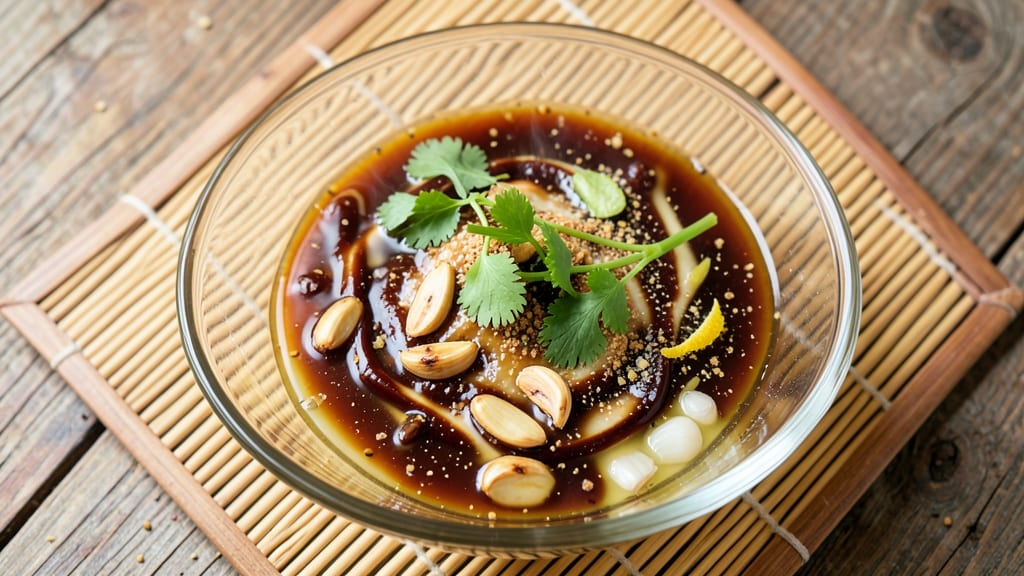
This Filipino-style kani salad dressing recipe transforms ordinary salads into vibrant, tangy masterpieces with just a few simple ingredients.
The secret lies in balancing sweet, sour, and umami flavors—soy sauce, lime juice, and garlic create a silky vinaigrette that clings beautifully to greens, while a touch of chili adds just the right kick.
I developed this recipe after years of perfecting the balance for my favorite Filipino shrimp salads, and it’s now my go-to for any dish needing that signature Filipino tang.
The dressing starts with a base of soy sauce and vinegar, which gives it that classic Filipino umami depth, while lime juice brightens the flavor profile. A splash of sugar balances the acidity, and minced garlic infuses every drop with aromatic warmth.
The real magic happens when you whisk in a bit of water to create a silky, pourable consistency—no lumps, just smooth, restaurant-quality texture. This isn’t just a dressing; it’s a flavor bomb that elevates any salad, from simple greens to hearty shrimp dishes.
What makes this dressing truly special is its versatility and shelf life. Once mixed, it keeps in the fridge for up to a week, making it perfect for meal prep or batch cooking. The silky texture coats every ingredient evenly, ensuring every bite is packed with that signature Filipino tang.
Whether you’re drizzling it over a fresh kani salad, tossing it with noodles, or using it as a marinade, this dressing delivers bold, authentic flavor without the fuss.
For an extra crunchy twist, I like to add finely chopped garlic or a pinch of toasted garlic powder right before serving—it’s a little secret that takes this dressing to the next level. Ready to bring that classic Filipino tang to your table? Let’s make it.
Ingredients for kani salad dressing recipe filipino style
Eight simple ingredients create this vibrant Filipino-style dressing that elevates every salad.
| Ingredient | Amount | Notes |
|---|---|---|
| Soy Sauce 🍶 | ½ cup | Light or dark variety preferred |
| Rice Vinegar 🍶 | ¼ cup | White or seasoned preferred |
| Fresh Lime Juice 🍋 | ¼ cup | Freshly squeezed, no pulp |
| Granulated Sugar 🍚 | 2 tbsp | Or brown sugar for depth |
| Garlic Cloves 🧄 | 4 cloves | Minced or finely grated |
| Toasted Garlic Powder 🧄 | 1 tsp | For that extra crunchy secret |
| Red Chili Flakes 🌶️ | ½ tsp | Adjust for heat preference |
| Water 💧 | ¼ cup | For silky consistency |
The soy sauce is the heart of this dressing—Kikkoman or Pearl River Bridge are my go-tos, but any good-quality brand works. For the vinegar, seasoned rice vinegar adds a subtle sweetness, but plain white works too. Lime juice is non-negotiable—freshly squeezed makes all the difference. The garlic? Toast the whole cloves in a dry pan first for 30 seconds—it deepens the flavor. I always grab extra lime juice because it’s worth having on hand for this dressing. The Filipino market is your best bet for all these ingredients if you're near one.
No soy sauce? Coconut aminos work in a pinch, but it’ll taste different. Short on lime? Lemon juice at double the amount gets you close, but the flavor won’t be identical. The sugar can be swapped for maple syrup or agave, but keep it to the same amount. If you’re avoiding garlic powder, fresh garlic plus a pinch of garlic salt works too. The chili flakes can be omitted if you prefer a milder dressing. The water is key—it thins the dressing to that perfect silky consistency, so don’t skip it. For an extra umami boost, add a dash of fish sauce—it’s a pro trick!
This dressing keeps beautifully in the fridge for up to 1 week, sealed in a jar. I like to make a big batch because it’s perfect for meal prep. The silky texture stays intact if you store it properly—just give it a quick whisk before using. For an extra crunchy twist, add a pinch of toasted garlic powder right before drizzling. It’s a little secret that takes this dressing to the next level. If you make extra, freeze it in ice cube trays—just thaw and whisk before using.
Why You'll Love This Recipe
- Five-Ingredient Magic: I swear by this combo—soy sauce, vinegar, lime, sugar, and garlic. That’s it. No fancy gadgets, no waiting for special ingredients to arrive. Just open, measure, mix, and boom—dressing ready.
- Tangy-Sweet Balance: The garlic sizzles just enough to wake up your taste buds, while the lime cuts through the richness. Honestly, that first pour over crispy kani (shrimp) or shredded veggies? Pure satisfaction. It’s the kind of flavor that makes you pause mid-bite.
- Weeknight Workhorse: I’ve drizzled this over salads, grilled fish, even as a dip for lumpia (spring rolls) when friends drop by. It’s my go-to when I’m too tired to think but still want something that tastes like effort. (Yes, even on a Tuesday night.)
- Leftovers That Don’t Suck: Unlike most dressings that turn sad after a day, this one stays bright and punchy in the fridge. I’ll make a big batch on Sunday, and by Thursday, it’s still the star of my lunch—no sad, watery afterthoughts here. Just pour, shake, and enjoy.
Step-by-step instructions for Filipino-style kani salad dressing
This silky, tangy dressing comes together in minutes with just a few simple steps.
Whisk Together the Base Ingredients
In a medium bowl, combine the 0.5 cup soy sauce, 0.25 cup rice vinegar, and 0.25 cup fresh lime juice. I like to use a whisk for this part because it helps emulsify the ingredients right away, preventing any separation later. The lime juice adds that bright, citrusy kick that balances the soy's saltiness perfectly.
Next, stir in the 2 tablespoons granulated sugar until fully dissolved. This step is where the sweetness starts to meld with the tangy acidity. If you're using brown sugar, it'll add a subtle caramel depth that works beautifully with the garlic flavors we're about to add.
Add Garlic and Heat Components
Finely mince the 4 cloves garlic and add them to the bowl. For extra texture, sprinkle in the 1 teaspoon toasted garlic powder—this is what gives this dressing its signature crunchy secret. The toasted garlic adds a nutty, almost crisp quality that contrasts perfectly with the smooth sauce.
Add the 0.5 teaspoon red chili flakes and stir well. This is where you can adjust the heat to your preference—start with half a teaspoon and add more if you like it spicier. The chili flakes will give the dressing a subtle warmth that pairs wonderfully with the garlic flavors.
Thin and Emulsify for Silky Texture
Pour in the 0.25 cup water and whisk vigorously for about 1 minute. This is the key step for achieving that silky, velvety texture. The water helps break down the soy sauce's natural emulsifiers, creating a smooth dressing rather than a thick paste. Keep whisking until the mixture looks uniform and glossy.
Taste and adjust the balance of flavors. You might want to add a touch more lime juice for brightness or a pinch of sugar if it needs more sweetness. The dressing should be tangy, slightly sweet, with a nice garlic punch and just a hint of heat from the chili flakes.
Rest and Serve
Let the dressing sit at room temperature for 5-10 minutes before using. This resting time allows all the flavors to fully meld together. The dressing will thicken slightly as it sits, which is perfect for drizzling over salads or tossing with vegetables.
Give it one final stir before serving to ensure everything is well combined. This dressing pairs beautifully with fresh vegetables, grilled meats, or even as a marinade. The silky texture and bold flavors make it a standout in any dish, especially Filipino-style salads.
Pro Tips For Making Kani Salad Dressing Recipe Filipino Style
- Mince Garlic Fine: I learned this the hard way—lumpy garlic ruins the dressing. Use a knife instead of a press; chop those cloves into a paste first, then mix them in. The texture blends smoother, and you won’t taste the chunks later.
- Whisk Like You Mean It: This isn’t just stirring—whisk the sugar into the warm vinegar until it fully dissolves. I used to skip this, and the dressing would turn gritty. A quick 30-second burst with a fork works if you’re in a rush, but whisking guarantees silkiness.
- Balance the Lime: Fresh lime juice is non-negotiable, but don’t eyeball it—measure 2 tablespoons per serving. Too much and it kills the soy’s depth; too little and the dressing tastes flat. Taste as you go, but start precise.
- Warm the Vinegar First: Heat the rice vinegar gently (just until steaming) before mixing with sugar. This makes the sugar dissolve instantly, saving you from waiting or stirring like crazy. Cold vinegar = clumpy dressing. Trust me, it’s worth the 10 seconds.
Dietary considerations for this kani salad dressing recipe filipino style
Gluten-Free Adaptations
Traditional soy sauce contains gluten, so for a gluten-free version, swap the 0.5 cup soy sauce with 0.5 cup gluten-free tamari or coconut aminos. Both options mimic the umami depth of soy sauce while keeping the dressing safe for gluten-sensitive diets.
I’ve tested this substitution with San-J brand tamari, and it works beautifully without altering the dressing’s signature tang. 💛
Low-Sodium Options
If you’re watching your sodium intake, reduce the soy sauce to 0.375 cup and add 1 teaspoon fish sauce for extra umami. Fish sauce provides depth without the same sodium load—just a splash goes a long way.
For even more control, use low-sodium soy sauce and add a pinch of salt to taste. The dressing will still shine with its bright, tangy profile.
Vegan-Friendly Adjustments
This dressing is already vegan, but if you’re using store-bought ingredients, double-check labels for hidden animal products. Some brands of rice vinegar or garlic powder may contain fish-based additives. Stick to 100% plant-based soy sauce and ensure your chili flakes are vegan (some brands use animal-based additives).
The lime juice, sugar, and water are all naturally vegan, so the only potential pitfalls are the soy and garlic components.
Sugar-Free Version
For a sugar-free dressing, omit the 2 tablespoons granulated sugar entirely or replace it with 2 tablespoons monk fruit sweetener or erythritol. The natural sweetness of the lime juice and vinegar will still balance the tang, but the dressing will have a slightly sharper edge.
Taste as you go—you might find you don’t miss the sugar at all! This version keeps the dressing’s bright, zesty character while making it diabetic-friendly.
Allergy-Friendly Tips
If you or someone in your household has a garlic allergy, skip the fresh garlic and garlic powder entirely. The dressing will still be delicious, though it’ll lose its signature crunchy secret.
For a nut-free version, ensure your garlic powder is processed in a nut-free facility (some brands process in shared facilities). Always check labels for cross-contamination warnings. The lime, vinegar, and soy components are typically safe for nut allergies, but caution is key.
Storage for Dietary Needs
Store your adapted dressing in an airtight container in the fridge for up to 1 week, just like the original. If you’re using fresh lime juice, the dressing may separate slightly—give it a good whisk before using.
For longer storage, freeze the dressing in ice cube trays and transfer to a freezer bag. Thaw overnight in the fridge and whisk to restore its silky texture. This method works for all variations, keeping them fresh and flavorful for future meals. ✨
Nutrition facts
Frequently asked questions
Can I make this dressing without fresh garlic?
Yes, but the flavor will be milder. Replace the 4 cloves fresh garlic with 1 teaspoon garlic powder (toasted if possible) or 1 tablespoon garlic-infused oil. For the best results, use a combination of half fresh garlic and half garlic powder to capture that aromatic depth. The toasted garlic powder adds the signature crunchy secret, so don't skip it entirely!
How spicy should the dressing be?
The 0.5 teaspoon red chili flakes provide a mild heat that enhances the dressing without overpowering. For a milder version, reduce to 0.25 teaspoon or omit entirely. If you love spice, increase to 1 teaspoon or add a dash of sambal oelek (start with 0.5 teaspoon). Adjust to taste—Filipino dressings often balance heat with sweetness and acidity.
Can I use this dressing for other dishes besides salads?
This versatile dressing works as a marinade for grilled shrimp or chicken, a dip for spring rolls, or a glaze for roasted vegetables. For marinades, reduce the water to 0.125 cup to create a thicker sauce. It also pairs beautifully with noodles (like Filipino-style pancit) or as a finishing drizzle for rice dishes. The tangy, garlicky profile elevates any dish!
Why does my dressing look separated after storing?
This is normal due to the natural separation of soy sauce and vinegar. Before using, whisk vigorously for 1-2 minutes until smooth. If it still separates, add 1 teaspoon water and whisk again. For extra stability, store it in a glass jar with a tight lid. The texture will return to silky once whisked—just like the original!
What's the best way to store leftovers?
Transfer the dressing to an airtight container and refrigerate for up to 1 week. For longer storage, freeze in ice cube trays, then transfer to a bag. Thaw overnight in the fridge and whisk to restore consistency. The flavors actually improve after 24 hours as the ingredients meld together—perfect for meal prep!