Sauces & Condiments
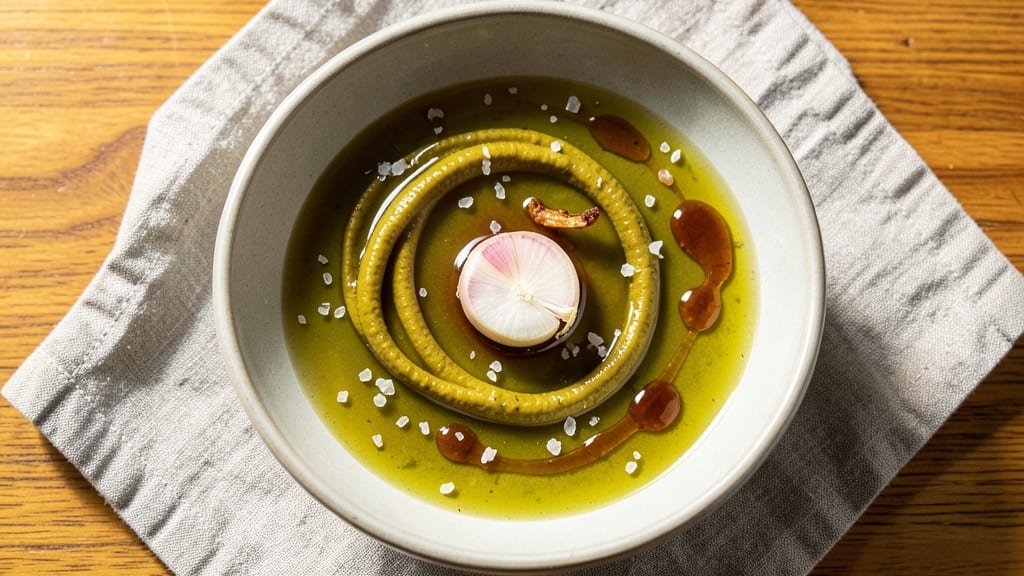
This low acid salad dressing recipe transforms everyday greens into a tooth-friendly experience without sacrificing bold flavor. The secret lies in balancing olive oil, honey, and a touch of wine instead of vinegar, creating a silky dressing that won’t irritate sensitive teeth while delivering rich, savory depth.
Perfect for those with acid sensitivity or dental work, this recipe maintains the creamy texture and vibrant taste you crave.
What sets this dressing apart is its gentle acidity—achieved through a blend of extra-virgin olive oil, honey for natural sweetness, and a splash of dry white wine for subtle tang. The absence of vinegar or lemon juice makes it ideal for daily use, while Dijon mustard adds a subtle kick.
It’s a game-changer for anyone who’s given up on flavorful dressings due to tooth sensitivity.
The result is a velvety, aromatic dressing that clings beautifully to greens, grains, and proteins without overpowering them. Its smooth texture and balanced flavors make it versatile enough for salads, marinades, or even drizzling over roasted vegetables.
The best part? It keeps well in the fridge for up to 10 days, so you can make a batch and enjoy it all week.
Pair it with mixed greens, grilled chicken, or hearty grains for a dressing that enhances every bite without the discomfort. Whether you’re preparing a light lunch or a hearty dinner, this recipe ensures your meals stay flavorful and gentle on your teeth. Let’s make it!
Ingredients for low acid salad dressing
Eight simple ingredients create a velvety dressing that’s gentle on teeth yet bold in flavor.
| Ingredient | Amount | Notes |
|---|---|---|
| Extra-Virgin Olive Oil 🫒 | ¾ cup | High-quality, fruity variety |
| Honey 🍯 | ¼ cup | Raw or unprocessed preferred |
| Dry White Wine 🍷 | ¼ cup | Sauvignon Blanc or Pinot Grigio |
| Dijon Mustard 🌶️ | 1 tbsp | Whole grain preferred |
| Garlic Cloves 🧄 | 1 clove | Freshly minced |
| Salt 🧂 | ½ tsp | Fine sea salt preferred |
| Black Pepper 🌶️ | ¼ tsp | Freshly ground |
| Dried Parsley 🌿 | 1 tsp | Or 1 tbsp fresh chopped |
| Water 💧 | ¼ cup | Room temperature |
The extra-virgin olive oil is non-negotiable here—look for a fruity, peppery variety at stores like Whole Foods or Trader Joe's. Their bulk bins often have the best quality. Honey should be raw or unprocessed for that natural depth, and local farmers markets usually have great options. The dry white wine? Any crisp, dry variety works—Sauvignon Blanc or Pinot Grigio are my go-tos. If you’re not a wine drinker, apple cider vinegar substitute at half the amount (but use sparingly).
No Dijon mustard? Yellow mustard works in a pinch, but you’ll lose that subtle complexity. Fresh garlic is ideal, but garlic powder at half the amount gets you close. The parsley can be fresh or dried—just remember dried is more concentrated. Want extra richness? Add 1 tsp of tahini for a nutty depth. For those avoiding honey, maple syrup at the same amount keeps it vegan-friendly while still gentle on teeth.
This dressing keeps beautifully—up to 10 days in the fridge if you seal it tightly. I like to store it in a glass jar with a tight lid to preserve freshness. For extra shelf life, add a thin layer of olive oil on top before sealing. Shake well before each use, especially after a few days. It’s perfect for meal prep—make a big batch and use it all week on salads, roasted veggies, or even as a marinade.
Why You'll Love This Recipe
- No Fuss, No Mess: I’ll be real—this dressing comes together with just a whisk and a jar, no fancy gadgets. The honey and Dijon blend into the olive oil like magic, and honestly? I’ve made it while chatting on the phone.
- Sweet Heat Balance: That honey cuts through the sharpness of the white wine and garlic, giving it a bright, almost tangy-sweet kick. It’s not too heavy—just enough richness to make greens taste like a restaurant salad.
- Weeknight Workhorse: I keep a jar in the fridge for quick lunches or tossing on roasted veggies. It’s my go-to for picnics, charcuterie boards, or even drizzling over grilled chicken—no last-minute shopping needed.
- Budget-Friendly Staple: A little goes a long way, and the ingredients? Mostly stuff I already have. The wine adds depth without breaking the bank, and the olive oil and honey stretch across multiple meals. (Yes, even on a Tuesday night.)
Step-by-step instructions for low acid salad dressing
This gentle yet flavorful dressing comes together in minutes with simple ingredients.
Whisk Together the Base Ingredients
In a medium bowl, combine the 0.75 cup extra-virgin olive oil with the 0.25 cup honey. I like to use a whisk for this step—it creates a smooth emulsion right away. The honey will start to dissolve into the oil, creating a silky foundation for your dressing. If you're using raw honey, it might be thicker, so give it a good stir to fully incorporate.
Next, add the 0.25 cup dry white wine and the 1 tablespoon Dijon mustard. The wine adds brightness without the acidity that can bother sensitive teeth, while the mustard gives a subtle tang. Whisk vigorously for about 1 minute until everything is fully combined and the mixture looks homogeneous. You'll notice the mustard starts to break down and blend seamlessly into the oil and honey.
Add Aromatics and Seasonings
Minced the 1 clove garlic and add it to the bowl along with the 0.5 teaspoon salt and 0.25 teaspoon black pepper. The garlic should be finely minced—this ensures it distributes evenly without any noticeable chunks. I like to press the garlic through a fine strainer or use the smallest holes on a grater for a smooth texture. Whisk everything together for another 30 seconds to fully incorporate the garlic and seasonings.
This is where the dressing starts to come together. The garlic adds depth, the salt enhances all the flavors, and the pepper gives a subtle warmth. The mixture should smell rich and aromatic—like a cross between a sweet vinaigrette and a creamy dressing, but without the acidity that can cause discomfort.
Incorporate the Water and Final Flavor
Add the 0.25 cup room temperature water and the 1 teaspoon dried parsley to the bowl. The water helps thin the dressing slightly, making it easier to drizzle without clumping. The parsley adds a fresh, herbaceous note that balances the richness of the oil and honey. Whisk everything together for another 1 minute until the parsley is fully distributed and the dressing reaches your desired consistency.
Here's the thing—this dressing should be thick enough to coat greens but thin enough to drizzle easily. If it feels too thick, add 1 teaspoon more water at a time until it reaches the perfect consistency. If it's too thin, whisk in 1 tablespoon more olive oil to balance it out. The goal is a velvety, pourable texture that clings beautifully to your salad.
Let It Rest and Adjust
Cover the bowl with a lid or plastic wrap and let the dressing rest at room temperature for at least 10 minutes. This resting period allows all the flavors to meld together and the dressing to reach its full potential. I know it's tempting to use it right away, but trust me—this step makes a huge difference in the final result.
After resting, give the dressing one final whisk to ensure everything is well combined. Taste it and adjust the seasoning if needed. You might want to add a pinch more salt or a dash of pepper to taste. The dressing should be sweet, savory, and herbaceous with a subtle garlic note—no sharp acidity to irritate sensitive teeth. Once it's perfect, transfer it to a clean jar or bottle and store it in the refrigerator for up to 2 weeks. It'll keep beautifully and taste even better the next day as the flavors continue to develop.
Pro Tips For Making Low Acid Salad Dressing
- Whisk in Stages: Start by mixing the Dijon mustard and honey first—this emulsifies the sugar and mustard before adding liquids. Then slowly drizzle in the olive oil while whisking vigorously; it’ll blend smoother and won’t split. I used to dump everything in at once, and the dressing always ended up greasy and uneven.
- Use Room-Temp Honey: Cold honey thickens and clumps when whisked into the wine and mustard. Let it sit out for 10 minutes if it’s straight from the fridge—this ensures it blends silky into the dressing. I learned this the hard way when my first batch looked like lumpy glue.
- Reduce Wine First: Simmer the white wine down by half before adding it to the dressing—this concentrates the flavor and cuts the alcohol sharpness. Just 3–4 minutes on medium heat does the trick. Skipping this step leaves the dressing thin and overly tangy.
- Crush Garlic Coarsely: No need to mince it finely—just smash the cloves with the flat side of your knife and leave them whole. They’ll infuse flavor without overpowering, and you’ll avoid the bitterness that comes from overworking garlic. (Yes, even if you’re impatient like me.)
Creative variations of low acid salad dressing
Sweet & Savory Twist
Swap the honey for maple syrup to make this dressing vegan-friendly while keeping it gentle on teeth. The maple adds a caramel-like depth that pairs beautifully with roasted root vegetables or hearty winter salads.
For extra richness, stir in 1 tablespoon tahini—it adds a nutty undertone that balances the wine’s brightness. 🌿
Herb-Infused Variations
Fresh herbs elevate this dressing to new heights. Try 1 tablespoon chopped dill for a bright, tangy note that works perfectly with cucumber or potato salads.
For a Mediterranean twist, add 1 teaspoon dried oregano and a pinch of crushed red pepper flakes—it’s like a gentle, tooth-friendly version of a Greek-inspired dressing. Always use fresh herbs if possible, as they add a vibrant freshness dried versions can’t match.
Creamy Alternative
For a thicker, creamier texture, replace ¼ cup of the olive oil with ¼ cup plain Greek yogurt (unsweetened). This creates a velvety dressing that’s ideal for grain bowls or hearty salads with avocado and beans.
The yogurt adds a subtle tang without the acidity, making it perfect for those with sensitive teeth. Just whisk it in at the end to maintain that smooth, pourable consistency. ✨
Spiced Citrus Option
If you want a hint of citrus without the acidity, add 1 teaspoon finely grated orange zest and ½ teaspoon ground ginger to the base. This version is perfect for Asian-inspired salads or grain bowls, offering a warm, aromatic twist.
The ginger adds a gentle kick that complements the honey or maple syrup beautifully. Store any citrus-infused variations in the fridge for up to 5 days to preserve freshness.
Nutty Crunch Addition
For texture lovers, sprinkle 1 tablespoon toasted pine nuts or walnuts directly onto your salad after dressing. The nuts add a satisfying crunch that contrasts perfectly with the silky dressing. Toast the nuts in a dry skillet over medium heat for 2-3 minutes until fragrant—this enhances their natural flavor.
This variation works especially well with kale or spinach salads for a heartier bite. 🌰
Nutrition facts
Frequently asked questions
Why does this dressing use wine instead of vinegar?
Wine provides subtle brightness without the harsh acidity that can irritate sensitive teeth or dental work. The alcohol evaporates during cooking or when used as a dressing, leaving behind delicate fruit notes that enhance flavor without the sting. Plus, it creates a smoother, more elegant texture than traditional vinegar-based dressings.
Can I make this dressing without honey?
Swap the honey for maple syrup or agave nectar at the same amount to keep it vegan-friendly. For a savory option, use 1 tablespoon more Dijon mustard or a splash of low-sodium soy sauce for umami depth. The key is maintaining balance—adjust other ingredients to compensate for flavor changes.
How do I adjust the consistency for thick or thin salads?
For thicker dressings (like grain bowls), whisk in 1 tablespoon olive oil at a time until it reaches a creamy texture. For thinner dressings (like green salads), add 1 teaspoon water until it flows easily. Pro tip: Let it rest for 5 minutes after adjusting—consistency often improves as flavors meld!
Will this dressing work with cooked proteins?
Perfectly! This dressing pairs beautifully with grilled chicken, seared salmon, or roasted tofu. The gentle sweetness and savory notes complement proteins without overpowering them. For extra flavor, marinate proteins in the dressing for 15-20 minutes before cooking—it adds incredible depth!
Can I make this dressing ahead of time?
Yes! Store it in an airtight glass jar in the fridge for up to 2 weeks. The flavors actually improve over time, developing richer complexity. Shake well before using, especially if it separates. For longer storage, freeze for up to 3 months—thaw in the fridge overnight before using.